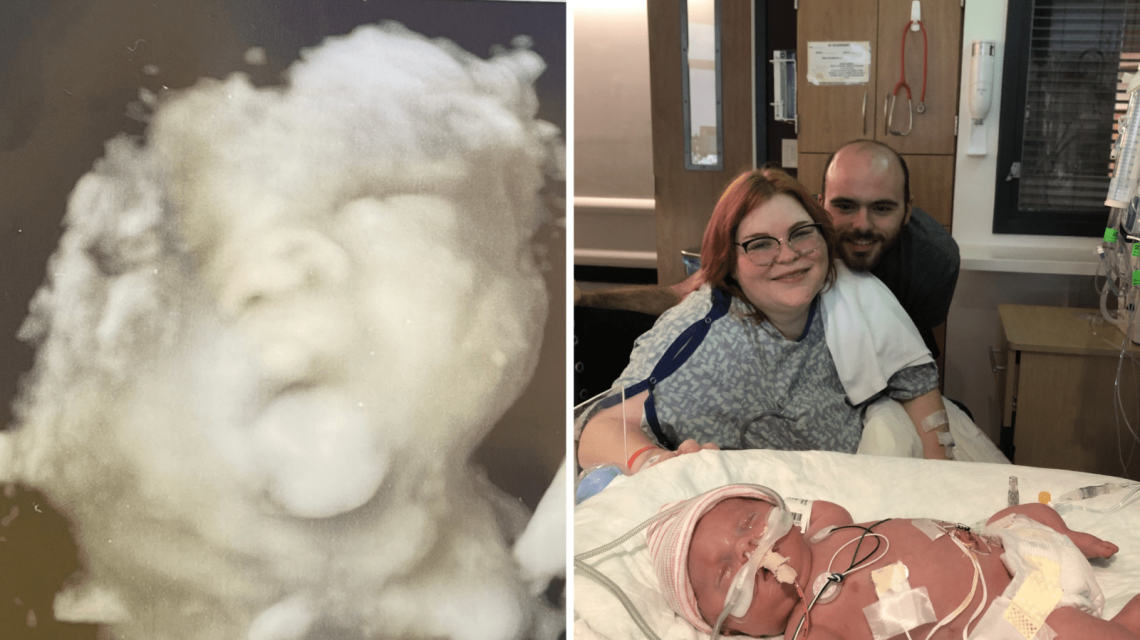
In late 2024, I was pregnant for the third time. My first baby had died in utero at around 18 weeks, and this third pregnancy initially appeared healthy. However, during the 20-week anatomy scan, we learned of problems with the baby’s bones. Her limbs measured between four to six weeks behind, and her skull was lemon-shaped instead of round.
I questioned whether my baby had osteogenesis imperfecta (OI). My OBGYN suspected a different form of skeletal dysplasia and referred me to a maternal-fetal specialist. Tragically, the specialist confirmed my suspicions of OI, or brittle bone disease, a rare disorder causing bones to break easily. He deemed the condition lethal and recommended termination.
Depression overwhelmed me. I prayed and searched the internet for stories from parents and adults living with OI. Many people live fulfilling lives with the condition, and their journeys inspired hope against abandonment.
“As long as my daughter was willing to fight to be here, I would fight for her.”
With determination, I sought a maternal-fetal specialist committed to saving my baby. We planned a unique cesarean to minimize bone breakages—going through my previous C-section scar, removing the baby and uterus, and carefully cutting it away.
On July 7, 2025, my beautiful daughter Dani was born with a mutation on the COL1A2 gene’s 17th exon. I fought fervently for her pain relief and treatments in the NICU’s first weeks. Dani needed oxygen support, a feeding tube, and medication for fractures.
Geneticists had never seen our mutation and provided varying diagnoses—from severe type 2 to type 3, with short limbs and deformities. Personally, I suspect she might be type 4, with moderate severity impacting growth.
OI affected my family through generations. I lost my first baby, Dani lives with severe OI, and my great-grandmother had it too. Hyper-mobility and hyper-elasticity with minor bone fractures suggest mild OI in my lineage.
Despite Dani’s needs—love, attention, snuggles, care—our lives are uniquely vigilant. Holding her, bathing her, even brushing her hair involves careful execution to prevent fractures.
At birth, Dani had evidence of in utero fractures in all bones. Since then, she has suffered 12 more breaks, including a rib from coughing and a femur from excited movements.
Bone fragility is accompanied by complications in her skull, affected by Wormian bones and missing large portions, putting her brain at risk. Scoliosis further complicates prospects of walking as bone growth and density are crucial.
People often assume those with OI suffer unbearably, yet Dani defies expectations with happiness and resilience. Behind on physical milestones, therapies and adaptive equipment aid her progress.
Home soft casting stabilizes breaks, and family practice preventive measures. Temperature control prevents overheating, and household rules protect her from injuries.
“Doctors were sure Dani’s OI was fatal and wouldn’t live beyond 28 days. She proved them wrong.”
Defying limits inspires Dani, revealed by her bright-eyed joy when impressing us or her therapists. OI awareness is growing, yet misconceptions persist. To parents facing these challenges, trust your instincts.
Misinformation can mislead, but facts empower mothers. I chose faith and prayer during Dani’s journey, turning to Christianity with promises of spreading love.
Documenting our journey on social media, I aim to raise awareness of the rare genetic condition through sharing our experiences and the strength of love and perseverance.
Chassidy Kelly Boutwell, from Mississippi, shares her family’s OI experiences on TikTok (@danis_journey_with_oi).
 Legal Challenges Arise Over GLP-1 Receptor Agonists and Vision Loss Risks
 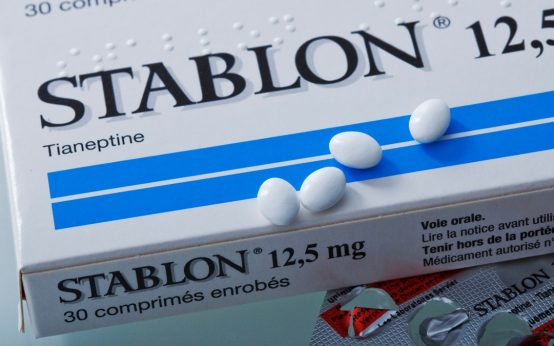 States Move to Restrict Tianeptine Amid Growing Concerns
 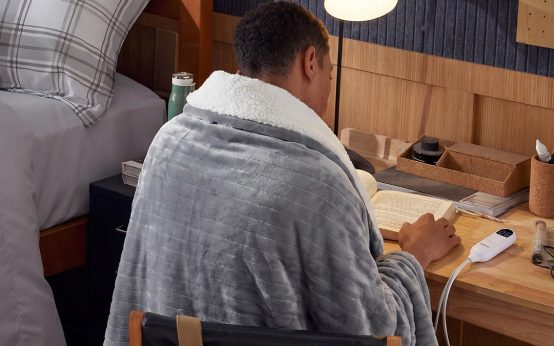 Bedsure Heated Throw Blanket: Comfort and Savings for Cozy Days
  Potential Changes in Medicare Reimbursement for Lab Tests
  Understanding and Addressing the Complexity of Suicide
  Dietitian Advises Caution with Costco’s High-Protein Chef Salad