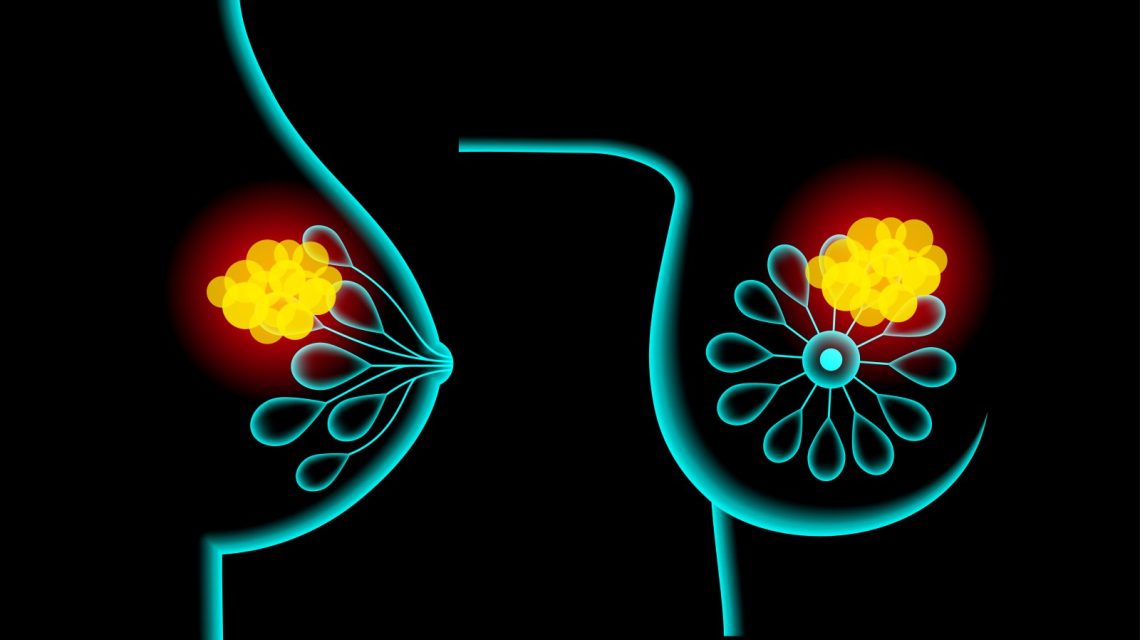
A recent study indicates that women with a family history of breast cancer may face a higher risk of developing the disease, even with a negative test for gene mutations. This discovery challenges the assumption that a negative BRCA1 or BRCA2 gene test always equates to lower risk.
Testing for BRCA1 and BRCA2 is typically advised for women with a personal or family history of specific cancers. The American Cancer Society notes that up to 10% of breast cancer cases are hereditary, caused by genetic changes passed down within families. Women with BRCA1 or BRCA2 mutations not only face a higher lifetime cancer risk but are also more likely to experience cancer in both breasts, be diagnosed at a younger age, and have increased susceptibility to other cancers, such as ovarian cancer.
The study, led by investigators from Cedars-Sinai Health Sciences University, suggests that even women who test negative for these mutations remain at increased risk compared to the general population. Lead author Fahima Dossa emphasized that while a negative test result might appear reassuring, those recommended for such testing generally have a strong familial cancer history.
We have good estimates of the risk of breast and ovarian cancer among women who test positive for BRCA1 and BRCA2 mutations. However, the majority of women undergoing testing receive a negative result or learn they carry a variant of unknown significance (VUS).Dossa explained to Newsweek.
The study reviewed health records of nearly 16,000 women who underwent BRCA testing in Ontario, Canada, between 2007 and 2016. Findings showed women with negative mutation tests still had a 25% lifetime risk of breast cancer. Those with a variant of unknown significance faced a 30% risk. In contrast, according to the National Cancer Institute, the general female population has around a 13% chance of developing breast cancer. A positive BRCA1 or BRCA2 test can raise this risk to 30-70%.
Family history significantly influenced individual risk for those testing positive for a BRCA mutation. Women with a mutation and multiple family members affected by breast or ovarian cancer saw a 56-86% likelihood of developing breast cancer.
Dossa suggests the study’s data should serve as a foundation for discussions about risk-reducing strategies between doctors and patients. These strategies might include intensive screening, preventive medications, and potential surgeries, with careful consideration of personal and familial cancer histories.
The study opens avenues for further exploration into cancer risks over time, particularly concerning the age of diagnosis. Emerging data also hints at a relationship between BRCA genes and heart health, especially in light of chemotherapy impacts.
Reacting to the findings, Kotryna Temcinaite of Breast Cancer Now highlighted the importance of identifying women at higher risk. She stressed the ongoing relevance of family history in risk assessment. Still, she reminded that most breast cancers are not linked to inherited gene changes.
Identifying women at increased risk can help prevent or detect breast cancer earlier, improving treatment prospects.she stated to Newsweek.
Women are encouraged to routinely check their breasts for changes, consult doctors if changes occur, and attend screenings. Temcinaite also suggested lifestyle modifications, like reducing alcohol intake, maintaining a healthy weight, and staying physically active, to lower breast cancer risk.
 Managing Distress and Discomfort Effectively
  Trump Administration Seeks to Influence NIH Grantmaking
  Addressing the Complex Issue of Suicide and Its Prevention
  Quality of Sleep Linked to Risk Reduction in Various Diseases
  Exploring Diets and Their Potential to Reduce Alzheimer’s Risk
  Dengue Fever Death in Florida and the Rising Cases Across the U.S.