Climate change impacts our food supply, and our food habits influence climate change. Around 8% of global emissions stem from wasted food, and in the United States, 30% to 40% of food goes to waste. Composting at home offers a practical solution. This guide presents five steps to transform food scraps into nutrient-rich compost.
1. Select Your Food Scraps
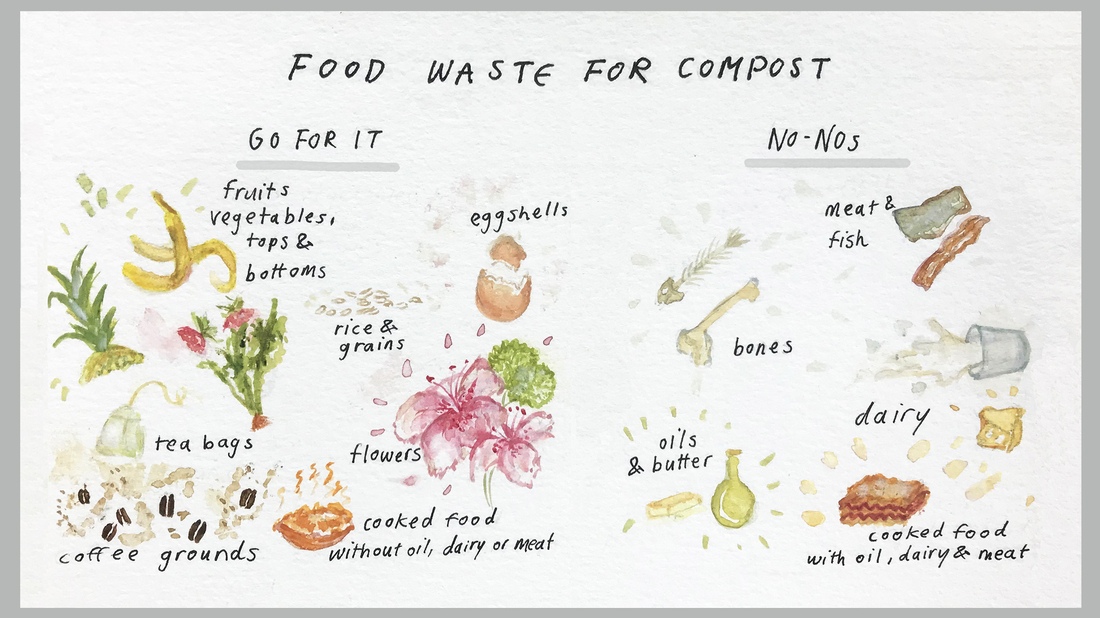
Begin with fruit and vegetable leftovers such as sweet potato skins or strawberry tops. Other items like tea bags, coffee grounds, eggshells, old flowers, and even human hair are also suitable. Avoid meat and dairy products as they attract pests. Cooked food, oily items, and bones can lead to problems as well. Note that some items labeled ‘compostable’ may not work in home composting systems.
2. Store Your Food Scraps
Proper layering is crucial for decomposition. Use old milk cartons or simple containers to store kitchen scraps. For odor control, consider keeping scraps in the freezer or fridge. A structured approach to adding scraps to your pile is necessary (see step 4).
3. Choose a Location for Your Compost
Evaluate your living space. Without a backyard, look into community gardens or shared compost piles. Apartment dwellers can opt for vermicomposting with worms or the Japanese Bokashi method. Municipal programs may collect compostable waste. Outdoors, a simple setup like an old trash bin suffices. Avoid placing compost against walls to prevent stains.
4. Make the Compost Mix
Balance ‘greens’ like food scraps with ‘browns’ such as egg cartons and newspaper. Greens introduce nitrogen and support microbial activity, while browns, providing carbon, facilitate aeration and drainage. Think of layering like building a fire—alternating greens and browns helps maintain airflow and moisture balance. Optimal compost formation depends on a proper ratio of browns to greens, typically three or four to one.
5. Wait and Aerate
The composting period varies. Warm conditions can yield compost in two months, whereas cooler setups may require six months to a year. Regularly turning the pile promotes aeration and efficient decomposition. Compost that’s ready is light, fluffy, and pleasantly earthy or woody in scent. Move finished compost to your garden or offer it to a community initiative.
For guidance, the Texas A&M AgriLife Extension provides a troubleshooting guide. Jeffrey Neal offers resources on worm composting and Bokashi, while Oregon State University covers comprehensive composting methods. Cornell University’s Waste Management Institute also provides detailed materials on composting.
For more tips or to share your own, contact us at [email protected] or leave a voicemail at 202-216-9823. You might feature in a future episode! Subscribe to our Life Kit newsletter for more advice.
The audio version of this guide was produced by Audrey Nguyen.
 Chicagohenge: When Sunlight Aligns with City Streets
  Fat Bear Week 2026: A Look at the Contest and Its Competitors
  California Governor Declares Statewide Emergency Ahead of El Niño Storms
  EPA Rollbacks and the Impact on Indiana Communities
  The Impact of Battery Innovations on Renewable Energy
  Challenges in California’s Home Insurance Market