Background of the Case
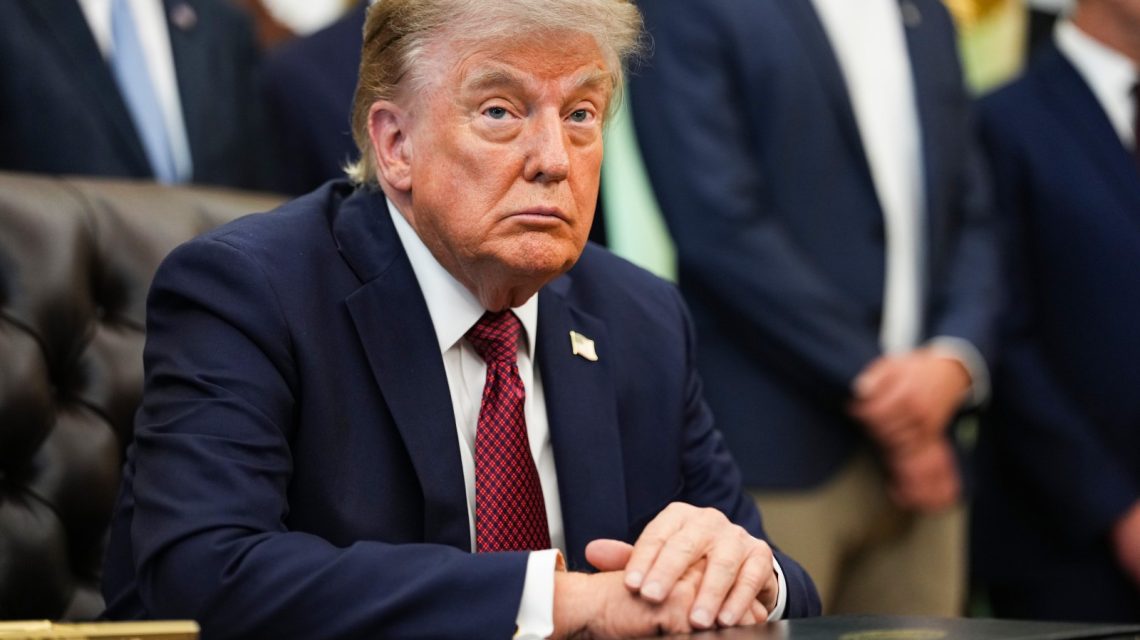
The Trump administration recently experienced its 19th consecutive legal defeat as its efforts to acquire sensitive voter registration records faced another setback. This time, a federal judge dismissed the Department of Justice’s (DOJ) lawsuit against Illinois. U.S. District Judge Colleen Lawless determined that the DOJ lacked the legal grounds to compel Illinois election officials to hand over their unredacted voter registration database.
Reason for the DOJ’s Lawsuit
The Justice Department pursued legal action after Illinois election officials refused to provide their complete statewide voter registration database. The administration claimed that these records were essential for verifying Illinois’s compliance with federal election laws, particularly in maintaining accurate voter rolls.
Judge’s Rationale for Dismissal
Judge Lawless ruled that the DOJ lacked statutory authority to demand the records. She noted that while the National Voter Registration Act (NVRA) mandates states to allow public inspection of certain voter list maintenance records, it does not require them to release entire voter registration databases or confidential voter information.
Lawless also dismissed arguments that the Help America Vote Act empowered the federal government to access these records. The decision emphasized privacy concerns and upheld that state officials are not compelled to disclose sensitive voter information.
Motives Behind the Administration’s Requests
This lawsuit is part of a broader campaign by the Trump administration targeting states that have withheld unredacted voter registration databases. The DOJ argued the records were crucial for checking compliance with election laws and identifying ineligible registrations. Concerns around privacy and cybersecurity arose as states highlighted requests for sensitive personal data, including driver’s license and Social Security numbers.
A Widespread Pattern of Legal Defeats
Illinois marks the latest legal loss in the administration’s quest for voter rolls. Federal courts from several states and the U.S. Court of Appeals for the Sixth Circuit have all dismissed similar cases advocating for access to voter registration information.
These sustained legal defeats restrict the administration’s ability to gather state voter registration data, limiting its broader electoral oversight efforts before the 2026 midterm elections.
Implications for Upcoming Elections
The inability to obtain these voter databases could hinder the Trump administration’s ability to conduct comprehensive comparisons between state and federal voter registration records. Advocates for the administration argue that increased federal oversight is necessary to maintain accurate voter rolls and compliance with federal law.
Critics warn that these lawsuits overextend Congressional authority, endangering voter privacy and potentially leading to overly aggressive voter roll maintenance. Despite these challenges, the administration may still seek appellate court intervention in its bid to secure access to state voter registration records before the midterms.
 House Bill Aims to Enhance Benefits for Combat-Injured Veterans
 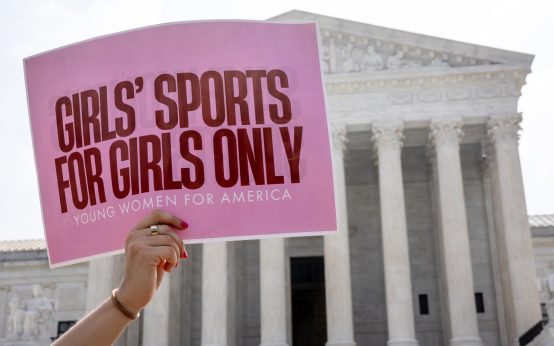 Debate Over Transgender Athletes Shapes Political Strategies
 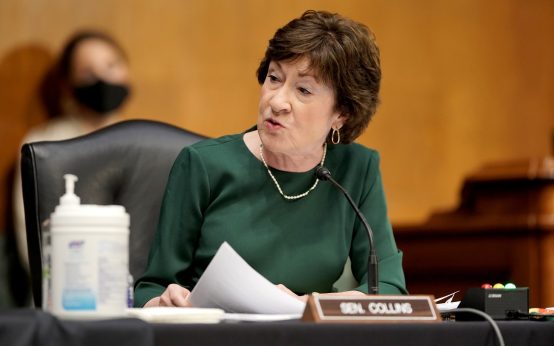 Collins Battles Trump Administration on NIH Grant Control
 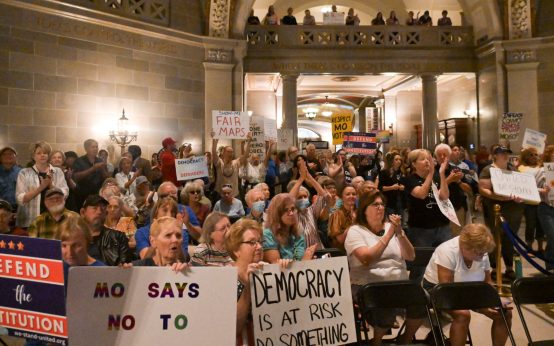 U.S. Appeals Court Supports New Missouri Congressional Map
  GOP Candidates Call to End Iran War Amid Rising Fuel Costs
  Trump Administration Seeks to Influence NIH Grantmaking