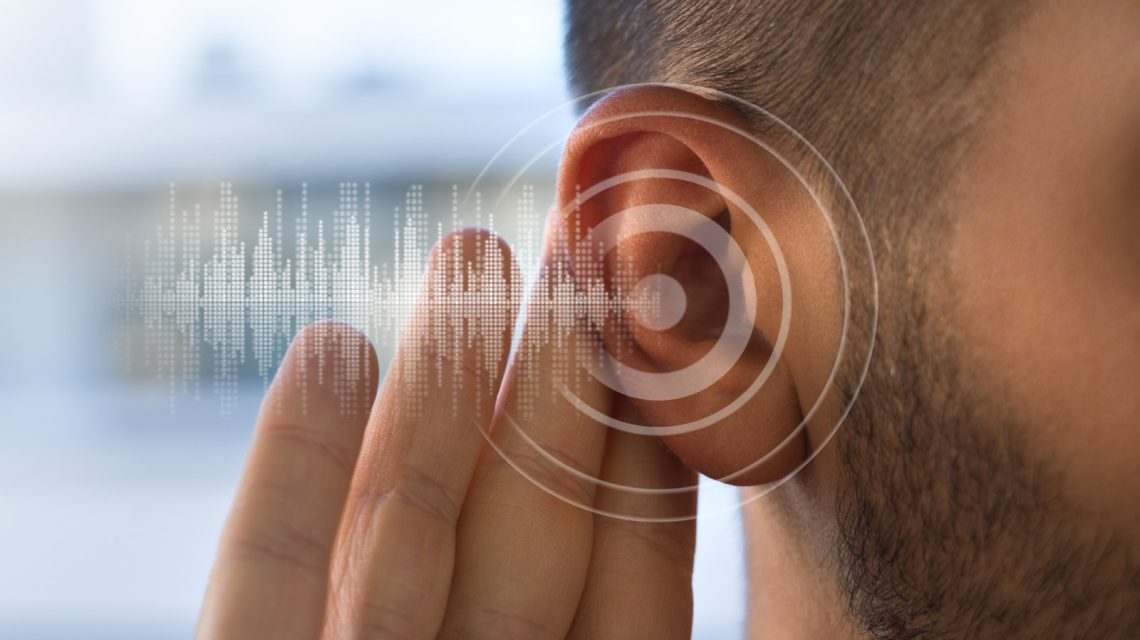
Your daily routines may be damaging your hearing, often without your awareness. Hearing is one of the earliest senses we develop, but it is frequently taken for granted. Our ears help us enjoy sounds like music or a child’s first words, but they are also very delicate.
The American Academy of Audiology reports that about 40 million American adults experience hearing loss due to noise exposure. People of all ages and backgrounds can be affected, as many are unaware that hearing damage accumulates over time. Rachel Artsma, a senior audiologist at Hear.com, highlights this issue.
Types of Hearing Loss
There are three main types of hearing loss:
- Conductive: Involves the outer or middle ear.
- Sensorineural: Involves the inner ear.
- Mixed: A combination of both.
Warning signs include muffled sounds, ringing in the ears, and a need to increase volume.
Preventing Hearing Loss
Avoiding loud environments can help, but everyday habits may also pose risks.
Using Earbuds at High Volume
Whether on the subway or at the grocery store, earbuds are common. Listening to loud music is a major concern according to Artsma. The issue is not the earbuds themselves but how loudly they are used. If you cannot hear people around you, your music is likely too loud,
she says.
Artsma recommends the 60/60 rule: Keep volume below 60% of the maximum, and limit listening to 60 minutes. The danger arises when people turn up volume to drown out background noise on planes or trains. Damaged hair cells in the inner ear do not regrow, making prevention crucial.
Driving With Windows Down
Rolling down the window feels great in summer, but it can be harmful. The wind can be very loud, especially on highways, creating constant noise that can reach harmful levels. For frequent drivers, continuous exposure may add to hearing stress. Remember that hearing health relates to cumulative noise exposure, not just specific activities.
Using a Hairdryer Every Day
While a hair dryer alone is not the most damaging, it contributes to overall noise exposure. If you use a hairdryer daily and listen to loud music or work in noisy environments, the cumulative exposure is a concern,
Artsma explains.
Surprisingly, household appliances are often underestimated in terms of noise risks, but they are not without harm. This is particularly important for those using these tools professionally for long periods.
Addressing these risks is beneficial, as some hearing loss may be reversible with treatment and lifestyle changes. Regular breaks, reducing volume, and paying attention to everyday sounds can help.
If you experience ringing in your ears or constantly ask others to repeat themselves, these may indicate noise-related stress. It’s essential to recognize these signs early.
 Legal Challenges Arise Over GLP-1 Receptor Agonists and Vision Loss Risks
  States Move to Restrict Tianeptine Amid Growing Concerns
  Potential Changes in Medicare Reimbursement for Lab Tests
  Understanding and Addressing the Complexity of Suicide
  Recall of Meat Products from Star Meat Delivery Inc.
  Questions Arise After Presley Gerber’s Death in Rehab