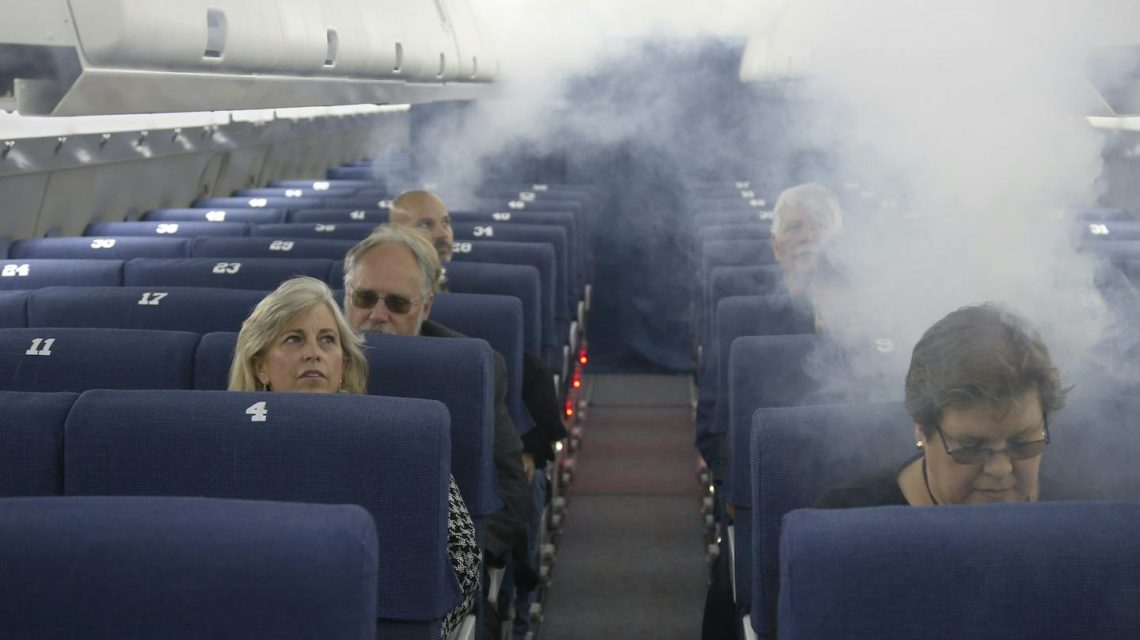
Minnesotans are experiencing an increased sense of stress and unease due to faltering systems. However, resilience can be strengthened through various strategies. Recent events, such as a network outage grounding all flights across America, have heightened this stress.
The American Psychological Association’s “Stress in America” report indicates that many adults are stressed about economic, political, and global issues. A significant number find frequent bad news unsurprising, exemplified by Fiona the hippo’s demise after swallowing a child’s hat.
Community Support and Preparedness
In response, communities are taking action. Minneapolis offers a disaster preparedness course called Ready Camp. This free program, held at Roosevelt High School, equips participants with strategies to handle emergencies from tornadoes to technological failures.
During a recent session, Patrick Ingram, an outreach coordinator, described a hypothetical situation: communication networks failing during a heat wave. Participants expressed feelings of stress and anxiety.
“There are things outside of our control,” said Ingram. “What we’re going to focus on tonight are the things that can be controlled.”
Attendees learned practical steps to reduce stress during chaos. These include stocking nonperishable food and water, having paper copies of essential documents, and maintaining emergency contacts. Neighbors can also be valuable resources in crises.
The Role of Social Connections
While cities offer lessons in stress management, experts like Sabine Schmid see hopeful signs in shared resilience efforts. Schmid, a psychologist specializing in mood disorders, believes stress can motivate and aid problem-solving if managed properly.
She notes that modern life presents more information and triggers than ever, yet these aren’t inherently negative. Humans are resilient by nature and can adapt with the right approaches. Engaging with others and spending time in nature can reinforce this resilience.
“Adversity is part of life. Uncertainty is part of life. It’s totally normal,” Schmid states. “Resilience is about adapting without withdrawing.”
Taking Action and Finding Future Solutions
Action and engagement in community activities bolster resilience. Volunteering and offering help during challenging times can boost morale and reduce anxiety.
Ultimately, building a supportive network and adopting positive coping mechanisms are key to thriving in an uncertain world.
 Highlights from Recent News Stories
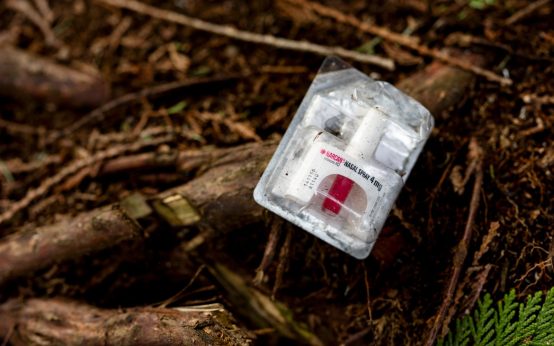 DEA Dismantles First U.S. Large-Scale Nitazene Lab
 Trump Open to Bipartisan Health Care Plan with Democrats
 Ty Pennington’s View on Home Renovation and Health
 Detroit Boy in Critical Condition After Unsecured Firearm Incident
 How to Prepare for Aging Parents: Practical Steps for Families