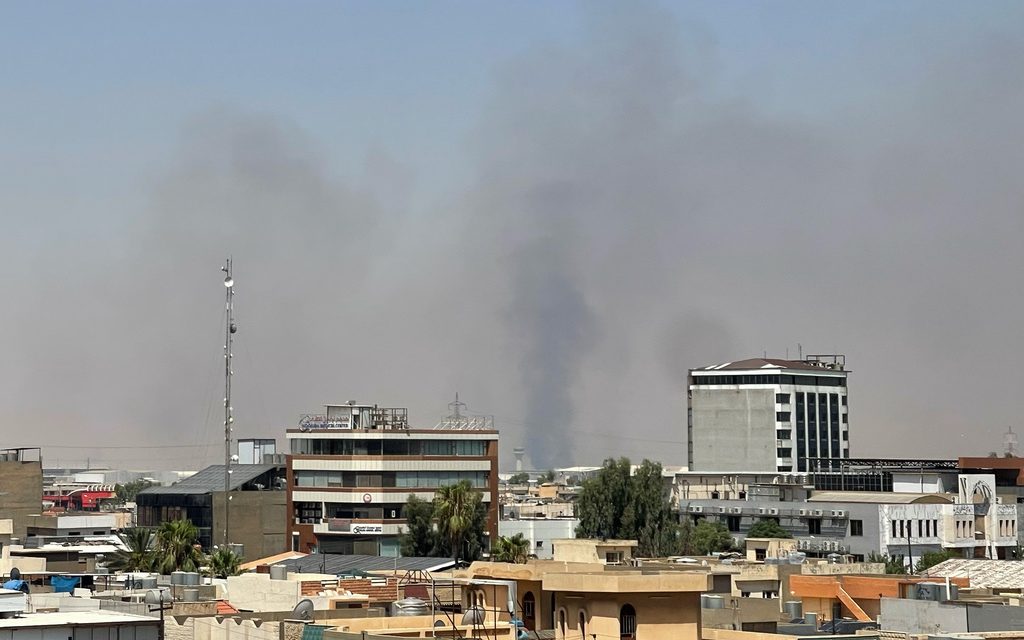
The sight of black smoke clouds rising after explosions near a U.S. military base in Irbil, Iraq, highlights ongoing tensions. Recent reports from The Washington Times suggest that Republican lawmakers and analysts are proposing that President Trump conclude the Iran war by declaring victory and ceasing hostilities. This idea is gaining traction despite not achieving the war’s main goal of dismantling Iran’s nuclear program.
This approach is not new and would mark the fifth attempt at declaring victory. On several occasions, President Trump has publicly declared that the U.S. has achieved victory. For instance, on March 24, he stated Iran was “totally defeated” and claimed victory in the conflict. On April 1, during a primetime address, he argued that America was close to achieving its military goals, and announced the dismantling of the Islamic Revolutionary Guard Corps’s command structure, foreseeing the Strait of Hormuz reopening.
However, events contradicted these declarations. Shortly after his address, Iran launched missile strikes on Israel. On April 7, following a ceasefire, Trump told AFP that the U.S. had achieved “total and complete victory,” although the ceasefire soon crumbled. On June 15, Trump shared via social media that a supposed “Deal with the Islamic Republic of Iran” was complete, predicting peace and security. However, hostilities resumed weeks later. Following Supreme Leader Ali Khamenei’s funeral, Trump shifted the narrative from resolved victory to ongoing resolve. Right after, joint U.S. and Saudi operations targeted Iran after its attempt to strike U.S. forces.
There have been recurrent declarations under different metrics: total defeat, completion of military goals, ceasefire success, and a “complete deal.” Each declaration has faced opposing events swiftly. The current notion of declaring victory acknowledges unmet objectives openly.
The recurring failures are rooted in structural strategy flaws. The Trump administration has repeatedly changed objectives, focusing on various goals, such as halting Iran’s nuclear ambitions, reopening Hormuz, and dismantling Iran’s missile and proxy operations. Goals have often shifted within a short period, creating ambiguity about the war’s real objective.
A U.S. official mentioned to NBC News that without a clear objective, crafting an endgame remains challenging. The resulting pattern of success skewing involves highlighting favorable outcomes while ignoring unmet goals, declaring victory based on convenient metrics. This fifth declaration differs from a genuine peace strategy since it lowers victory standards, attempting to end the narrative rather than achieving the initial war objectives.
The core unresolved issue remains Iran’s nuclear program. Congress should focus on what must happen for a fifth declaration to succeed, unlike its predecessors, and whether the administration can commit to these standards before making another declaration.
 Trump Delivers Warning to Iran, Cuba at UN General Assembly
  Trump Delivers Stern UN Speech on Iran, AI, and Global Security
 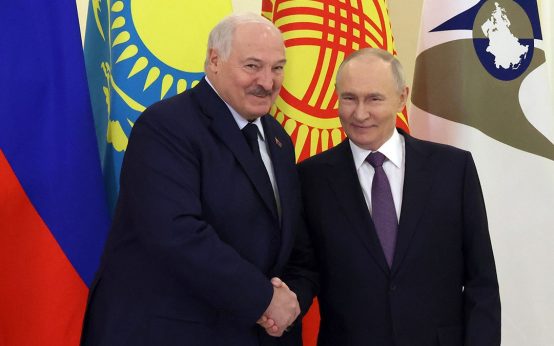 Lukashenko and Putin’s Unique Relationship and Belarus’ Strategic Role
 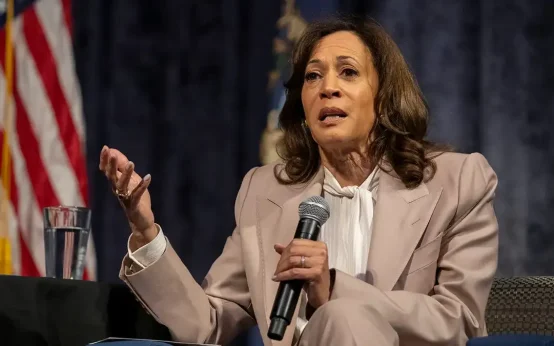 Harris Discusses Potential 2028 Presidential Run
  Far-Left Groups Allegedly Organize Protests in Austin
 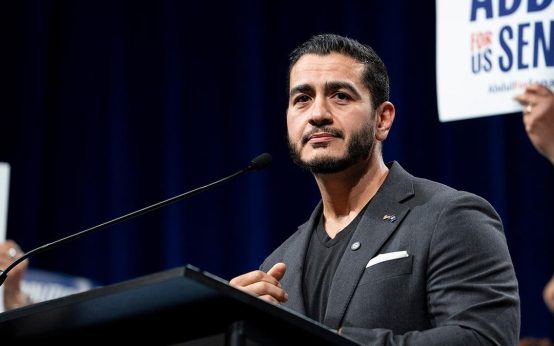 Michigan Senate Nominee Abdul El-Sayed Criticized for Remarks on Reproductive Rights