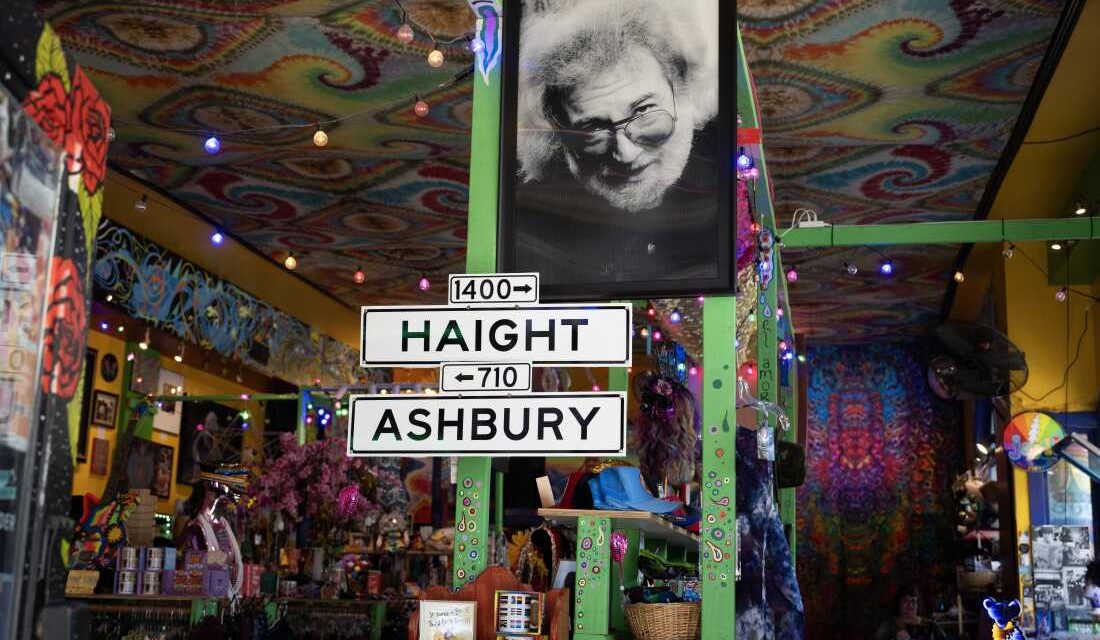
“Love on Haight” is a shop located on Haight Street in San Francisco, known for stocking Grateful Dead memorabilia, tie-dye clothing, and a significant photo of Jerry Garcia. Deanne Fitzmaurice captures these details in her photography for NPR.
During the Days Between this year, running from August 1 to August 9, NPR Music is exploring what attracts people to the Grateful Dead. The focus is also on how fans plan to preserve the band’s legacy. Jerry Garcia, a notable figure in the band, likened Grateful Dead fans to licorice enthusiasts, saying, “Not everybody likes licorice, but the people who like licorice really like licorice.” This sentiment captures the fervent devotion of the band’s followers.
The Grateful Dead’s allure persisted, leading to massive concert gatherings. The band became popular across the USA by the 1990s, especially after their 1987 hit “Touch of Grey.” Fans were drawn by the band’s unique approach to never performing the same show twice, always exploring new musical terrains. Dennis McNally, the band’s biographer, attributes the band’s appeal to their egalitarian ethos, a hallmark of their community-driven performances beginning at Ken Kesey’s “Acid Test” parties.
Decades later, the band’s influence endures through the dedicated efforts of its fans. Local Deadhead communities continue to thrive. McNally, author of “A Long Strange Trip: The Inside History of the Grateful Dead,” underscores that the band’s communal roots emerged from their early collaborative performances, setting a precedent for the inclusive culture that has followed.
The Grateful Dead’s improvisational essence and willingness to embrace risk contributed to their magnetic draw. According to McNally, their music had magic, stemming from potential failures and unexpected flights of musical brilliance. After Garcia’s death in 1995, cover bands, tribute shows, and formations like RatDog and The Other Ones kept the music alive. The 50th anniversary concerts in 2015 further revived interest and were believed to mark an end to the era, yet Deadhead culture remained vibrant.
The revitalization continued with Dead & Company, composed of surviving Grateful Dead members, and new figures like John Mayer. This ensemble brought the band’s music to new audiences, resonating with millennials and Gen Z audiences. Events like Shakedown Street, a traveling collection of vendors and performers, contributed to the cultural scene whenever the band toured.
In 2023, the band’s final tour was announced due to concerns about members’ health. Nonetheless, their music’s appeal endures thanks to fans and musicians inspired by their legacy. Filmmaker Mischa Richter’s documentary, “Summer Tour,” explored this lasting legacy, focusing on the devoted community and particularly the youth who embrace the culture.
The Grateful Dead represents a form of escapism in an era marked by internet fatigue and political polarity. In 2024, when the band was honored by the Kennedy Center, Bob Weir emphasized American music’s unifying potential.
Peter Shapiro, a key figure in the Deadhead community, attests to the openness of their fans. He continues this legacy through venues and publications, ensuring live music’s rich tradition persists. Musician Don Was echoed this sentiment, highlighting the sense of community and tribal gathering surrounding Grateful Dead fans.
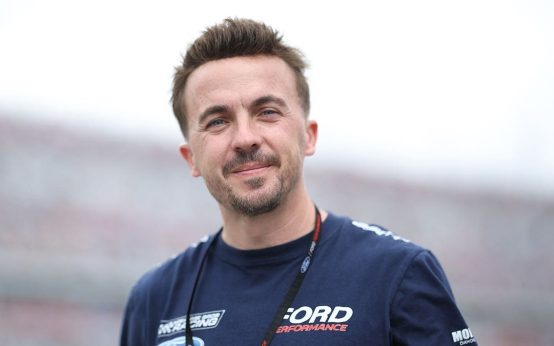 Frankie Muniz Reflects on Hitting ‘Rock Bottom’ Amid Divorce
  Dakota Johnson Reflects on Her Career and Future Plans
 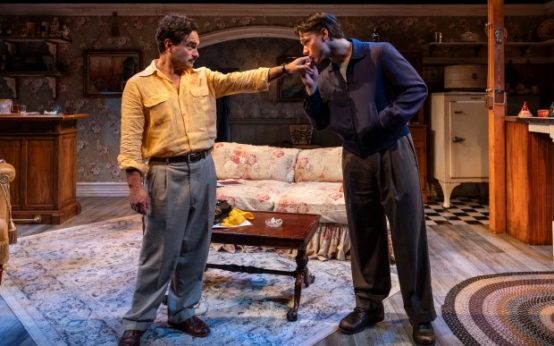 Johnny Galecki Shines as Tennessee Williams in ‘Kowalski’
 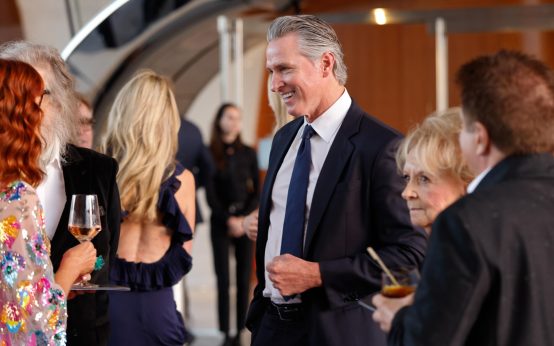 George Lucas Opens Museum with Star-Studded Celebration
  AI in Latin Music: Navigating New Challenges
  Kevin Costner Sparks Romance Speculation with New Outing