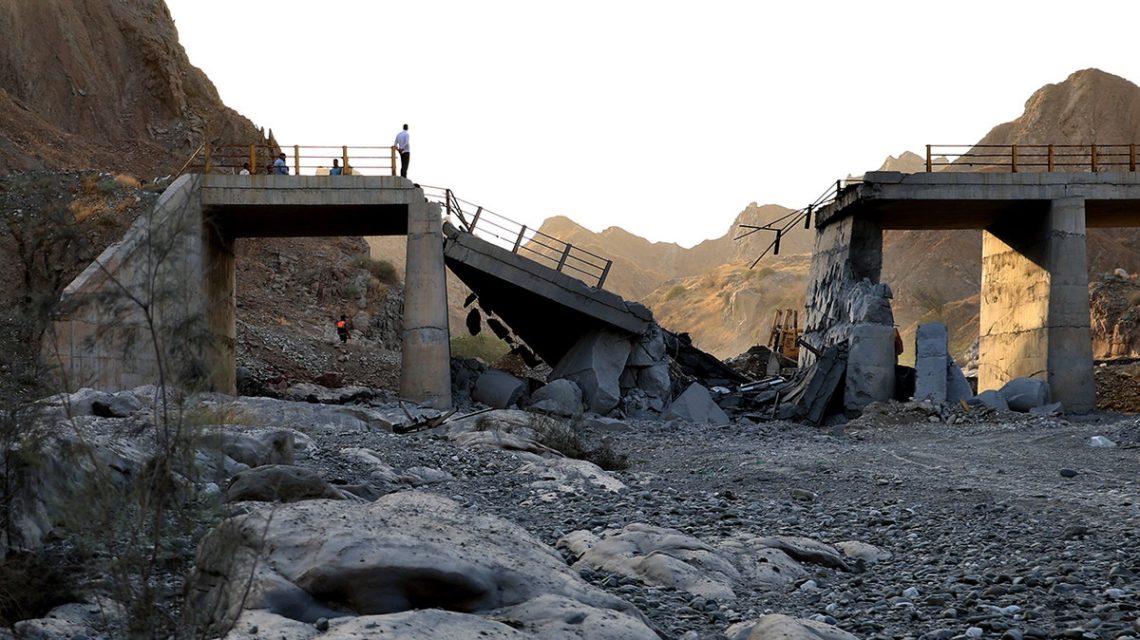
The United States remains engaged in a lengthy conflict with the Islamic Republic of Iran. This standoff has spanned several decades. The current situation offers a significant opportunity to disrupt Iran’s attempts at regional dominance and its ongoing challenge to U.S. national interests.
Economic Sanctions and Military Strategy
Recently, the U.S. government has intensified its pressure on Iran through economic measures. President Donald Trump has pursued a policy of economic pressure to hinder Iran’s financial resources. The Treasury Department has announced aggressive sanctions targeting oil sales. These include penalties on Chinese, Indian, and other international oil brokers and ship operators. Additionally, actions have been taken against operators associated with Iran’s covert maritime operations and illegal financial networks.
The economic measures are supported by a U.S. naval blockade of Iran’s ports. This involves over 20 warships and hundreds of aircraft, imposing substantial daily financial losses on Iran. The military aspect of the strategy includes tactical air strikes aimed at weakening the Islamic Revolutionary Guard Corps (IRGC) and other military targets.
Challenges in Diplomacy
Diplomatic efforts have also been underway. These include efforts by countries like Pakistan and Qatar to negotiate a sustainable resolution. However, Iran’s refusal to reopen the Strait of Hormuz, despite a ceasefire agreement, poses challenges. The agreement, considered favorable to Iran, has not led to a lasting reduction in hostilities.
IRGC generals, now in charge, are expected to breach agreements as they have post the 2015 nuclear deal. The reluctance and defiance of Iran’s leadership further complicate diplomatic attempts.
Impact on Iran’s Regime
The pressure on Iran’s regime has heightened, with its economy severely affected. The joint U.S.-Israeli air operations have added to the devastation, causing approximately $150 billion in damage. Combined with years of economic mismanagement and corruption, these conditions have fueled several protest movements in Iran.
The largest protests took place early this year. Government forces responded violently, resulting in the deaths of many protesters. This demonstrates a significant lack of confidence among Iran’s leadership. Public executions of protesters continue as a tactic to suppress dissent.
Internal Turmoil and Future Prospects
The upper echelons of Iran’s leadership are experiencing turmoil. The death of Supreme Leader Ayatollah Ali Khamenei and several other military leaders has left a power vacuum. IRGC generals, currently in control, are divided over how to engage with the U.S.
Sanctions on Iran’s oil trading and financial networks have intensified the regime’s sense of insecurity. There are indications of potential Mossad operations targeting senior officials within Iran.
The economic situation in Iran continues to deteriorate. The prospect of regime collapse is a real possibility, necessitating preparedness from the U.S. and its allies. A change in government could lead to instability, but with proper management, it could result in positive developments for the region.
The Trump administration aims to continue these efforts, potentially leading to significant changes in the Middle East landscape.
 Trump Delivers Warning to Iran, Cuba at UN General Assembly
  Trump Delivers Stern UN Speech on Iran, AI, and Global Security
 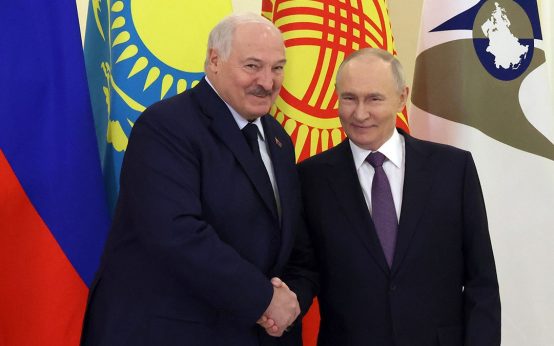 Lukashenko and Putin’s Unique Relationship and Belarus’ Strategic Role
 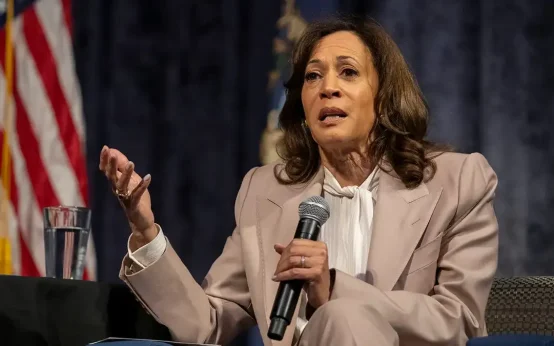 Harris Discusses Potential 2028 Presidential Run
  Far-Left Groups Allegedly Organize Protests in Austin
 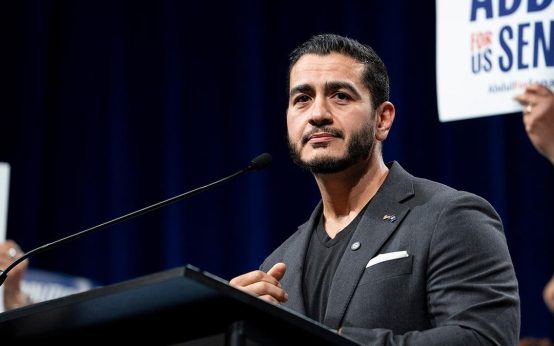 Michigan Senate Nominee Abdul El-Sayed Criticized for Remarks on Reproductive Rights