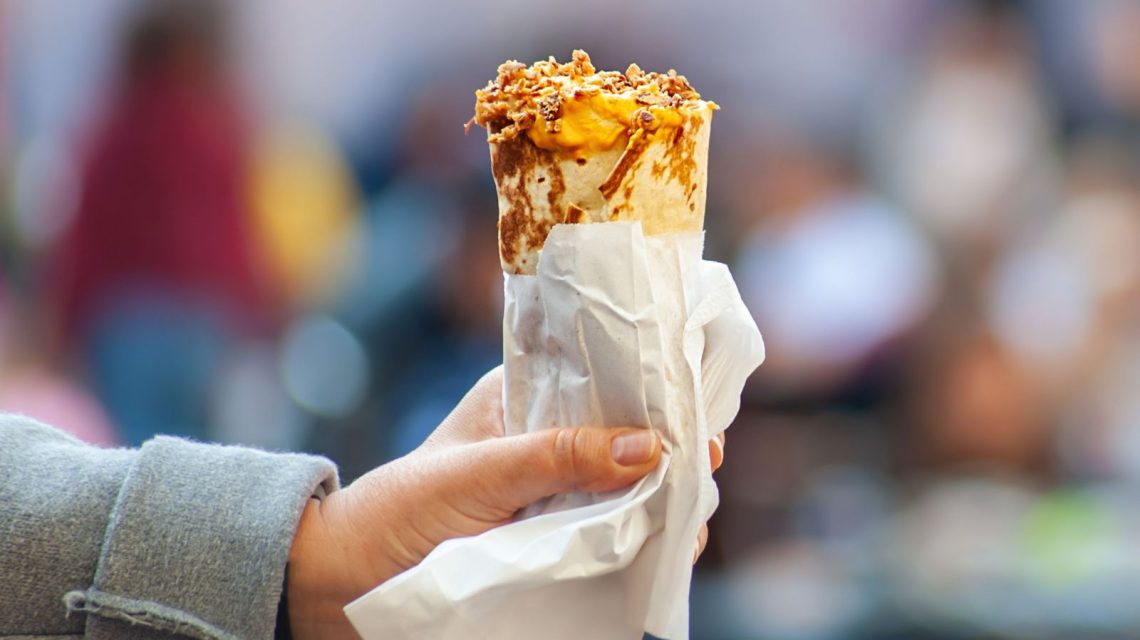
An unexpected debate about the cost of living has emerged online, centered around the simple burrito. Many conservative personalities have voiced their concerns on X, previously known as Twitter, about the rising costs of dining out and grocery shopping. This online debate captures a broader frustration over escalating food prices, both at grocery stores and restaurants, which have increased significantly over the last decade despite recent slower inflation.
Food prices have become a pronounced measure of economic pressure on American households. The increase in groceries and dining out costs has turned a discussion about one meal into a wider debate concerning affordability, consumer spending, and the expected cost of daily purchases.
The Argument
The discussion seems to have started with conservative commentator Matt Walsh, who expressed on X that grocery prices remain too high. Walsh stated, “Grocery prices are insane. They’re still rising.” He emphasized this issue should top the agenda for leaders. The debate then shifted towards restaurant meals. Andrew Kolvet, a spokesperson for Turning Point USA, shared a college student’s perspective on the affordability issue: “A burrito shouldn’t cost $20.” Kolvet explained that while inflation, partly from the pandemic and under Joe Biden’s administration, contributes to high prices, the perception remains that basic necessities cost too much.
This led to a counterpoint by Joel Berry, managing editor of the conservative satire site The Babylon Bee, who responded by emphasizing the cost difference between dining out and home cooking. He noted that his family of eight ate homemade burritos for less than $20 in total. Berry’s comment implied the affordability problem is also a lack of cooking skills. Berry’s post, seen by millions, encouraged more responses. Matt Walsh rebutted, highlighting that despite homemade meals being cheap, grocery prices have surged by 30% or more in the past decade. Walsh asserted this economic reality demands a solution beyond simple cooking lessons.
Other online voices joined the conversation. “Southern Man” remarked, “Let’s all downgrade our lifestyles we’ve built so the government can spend recklessly. Got it.” Another user agreed that home cooking costs less but stressed inflation’s severe impact on average Americans.
How Much Have Food Prices Risen?
Former President Trump remarked in Nevada that prices for essentials, including groceries, had decreased under his leadership. Federal data from the Bureau of Labor Statistics shows grocery prices are about 35% higher than in 2016, while dining out costs have increased by around 51%. The coronavirus pandemic and its fallout led to the steepest recent hikes, with a notable 11.4% rise in grocery prices in 2022, followed by another 5% in 2023. Prices have remained elevated, with groceries 2.7% more costly in June 2026 compared to a year prior, and dining out expanding by 3.4%. The USDA anticipates grocery prices to climb by an average of 2.7% through 2026, with restaurant costs set to rise by 3.5%. Specific items, such as beef and veal, soared by 11.8%, and fresh lettuce by 32.1% over the past year.
The American View on Rising Prices
These continual price hikes have left most Americans feeling groceries exceed their budgetary limits. A July 2026 Washington Post-Ipsos poll of 2,648 adults indicated that 65% consider groceries unaffordable, with this opinion spanning across income levels. Other surveys, like an August 2025 AP-NORC poll, showed similar sentiment, revealing groceries as a significant stress factor for many.
The Trump Administration and Affordability
The Trump administration implemented measures to reduce living costs, focusing on deregulation, agricultural support, tariff modifications, and antitrust enforcement. On January 20, 2025, Trump directed agencies to provide “emergency price relief” by eliminating policies said to inflate food and fuel costs. In February 2025, the USDA launched a program worth up to $1 billion to tackle avian influenza and reduce egg prices, which decreased by nearly 28% annually. The administration also sought to enhance competition in the food market, instructing the Justice Department and FTC to investigate potential price-fixing and anti-competitive activities in various sectors. Certain agricultural products were also exempt from reciprocal tariffs to aid affordability, including coffee, tea, beef, and others.
For commentary on this story, Newsweek reached out to Matt Walsh, Joel Berry, and Andrew Kolvet via their X accounts.
 Texas Man Charged with Capital Murder in Shooting of 5-Year-Old
  Challenges Facing the Supreme Court’s Public Perception
  California Democratic Aide Arrested for Visa Overstay by Federal Authorities
  Experts Doubt Export Ban Will Lower Fuel Prices
  Trump Delivers Warning to Iran, Cuba at UN General Assembly
  Trump Delivers Stern UN Speech on Iran, AI, and Global Security