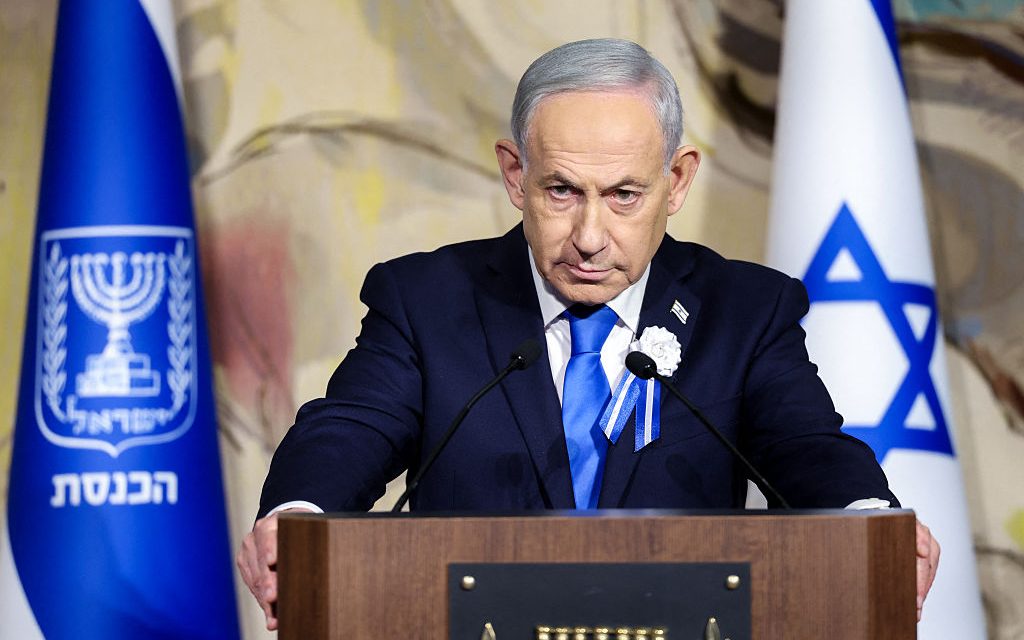
Israeli President Isaac Herzog has tasked Gadi Eisenkot, a former military chief and leader of the center-right Yashar party, to form the next government. This starts a critical process that may influence the country’s leadership for months, potentially allowing Benjamin Netanyahu to remain in power temporarily.
Eisenkot has until December 6 to assemble a government, with a 14-day extension if needed. To succeed, he must form a coalition that secures the Knesset’s confidence. Upon achieving this, lawmakers are required to vote within seven days to endorse the new government. Winning this vote will officially appoint the new leadership.
Election Results and Coalition Dynamics
The recent election left Israel without a clear majority in the 120-seat Knesset, with no party securing the necessary 61 seats. Elections in Israel are held every four years, and voters participate in person on a public holiday. This year, approximately 67,000 Israeli citizens traveled back home to vote, as absentee voting is uncommon.
Despite Netanyahu’s low approval ratings, his Likud party, along with far-right and ultra-Orthodox allies like Otzma Yehudit (Jewish Power), secured 53 seats. Eisenkot’s support comes from four Jewish-led parties that collectively hold 48 seats, with the remaining 19 seats held by Arab-led parties, marking a record high.
Coalition-Building Challenges
Forming a government requires coalition-building across diverse political interests. Eisenkot faces the option of gaining support from Arab-led parties to secure their 19 seats, although this remains contentious among his current allies. Some leaders, like Yair Golan of the Democrats, support engaging the Arab-led parties, but others, like Naftali Bennett and Avigdor Lieberman, oppose it.
Historically, Arab-led parties have mostly avoided formal coalition roles. However, Cook notes that they can support from outside, contributing to a parliamentary majority without fully joining the coalition. Such arrangements have been unstable but remain a possibility.
Potential Outcomes and Tactics
If Eisenkot’s coalition fails, Herzog may nominate another candidate or declare no viable path, leading lawmakers to propose a willing member to attempt forming a government. Continued failure results in dissolving the Knesset and scheduling new elections within 90 days, keeping Netanyahu in power in the interim. Between 2019 and 2022, Israel experienced five elections due to similar deadlocks.
Netanyahu, meanwhile, can seek his own coalition by swaying current non-supporters. His strategy might involve convincing right-leaning allies they would prefer his leadership over alignment with Arab-led parties. Leaders like Bennett and Lieberman could sway the decision, given their historical collaborations with Netanyahu.
Ultimately, the future leadership depends on which compromises leaders like Eisenkot, Netanyahu, Bennett, and Lieberman are willing to make, especially concerning cooperation with diverse political factions.
 Takedowns in Wrestling and Politics: The Relentless Path of Jim Jordan
 Alaska Senate Race Remains Unresolved
 Potential Impeachment of Defense Secretary Pete Hegseth
 Jim Jordan Poised as Key Trump Defender in Congress
 U.S. Continues Boycott of U.N. Human Rights Review
 Pete Buttigieg’s New Book Fuels 2028 Presidential Speculation