The Trump administration faces a challenging situation as it seeks a deal with Iran to secure the reopening of the Strait of Hormuz. This passage is crucial for the global supply of oil, with 20% typically flowing through it. To achieve this, President Donald Trump might need to make an unusual move—compromise.
Control Over the Strait
The main hurdle in the negotiations is control over the Strait of Hormuz. Iran insists on maintaining some authority, while the Trump administration opposes any agreement that enhances Tehran’s influence, such as imposing fees. Iran remains capable of targeting vessels with drones and missiles, maintaining a grip on commercial shipping.
Eliot Cohen, a former State Department counselor, noted that compromising might portray Trump as a loser, a perception he is unlikely to accept. Nonetheless, the ongoing conflict affects gasoline prices and poses challenges for Republicans in upcoming elections.
Economic Pressure and Potential Compromise
David Schenker, a fellow at the Washington Institute for Near East Policy and former State Department official, suggests economic pressures might push Trump toward compromise. Such a move could significantly impact global trade. Schenker believes Trump has hinted at the urgency of resolving the crisis.
Despite the pressures, the president maintains a firm stance on the war, stating on social media that the military possesses “massive amounts” of weapons. He threatened legal action against those leaking information about the U.S. weapons’ shortage.
Debate on Weapons Stockpiles
The Washington Post recently reported Trump’s frustration with Defense Secretary Pete Hegseth over dwindling advanced weapons inventories. Analysts at the Center for Strategic and International Studies have documented this decline through budget reports. A senior administration official described a recent Cabinet meeting on Iran as “robust,” though details remain limited.
Experts caution that U.S. forces are low on critical defensive weapons. When asked about stockpiles, Trump acknowledged the need for more munitions. He assured reporters the military is in “great shape” and could access global supplies if necessary. Meanwhile, Hegseth advocates for increased defense spending during private discussions with Republican senators.
Impact on Poll Numbers
Trump faces scrutiny over his social media claims regarding poll numbers, insisting they demonstrate strong support. Yet, a survey by The Associated Press-NORC Center for Public Affairs Research found that two-thirds of Americans view the war with Iran as ineffective. This sentiment spans across political affiliations.
Regarding employment figures, Trump highlighted a milestone of nearly 159 million jobs in June. However, job growth has slowed during his second term.
Trump also asserts that the Strait of Hormuz remains accessible to commercial shipping. He referenced the Navy’s blockade of Iranian ports, yet noted ongoing risks of Iranian attacks on vessels.
Negotiations Over Strait Control
U.S. and Iranian officials are reportedly nearing a deal to reopen the strait. Such an agreement would involve separate routes overseen by Iran and Oman. The U.S. military maintains the strait is navigable for commerce under its watchful eye along Oman’s coast.
The Associated Press highlighted the provisional nature of the proposed solution, allowing entry through Iranian territory and exit near Oman without tolls or fees. Although Trump opposes financial demands, a U.S. official clarified the president’s preference for diplomacy and stated he “holds all the cards” in negotiations with Iran.
Reporters Lisa Mascaro, Darlene Superville, and Michelle L. Price contributed to this report from Washington.
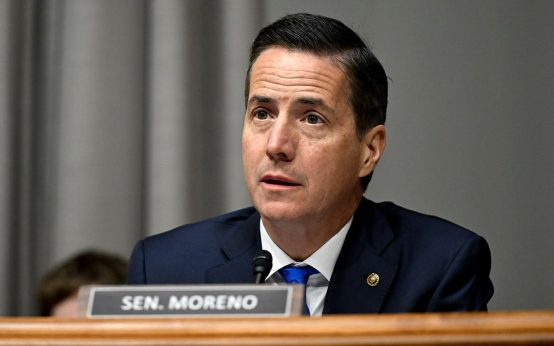 Senator Bernie Moreno Urges DOJ to Address Drug Policy Enabling Forced Abortions
  Karoline Leavitt Offers Insights on Trump’s Calls With Putin and Xi
 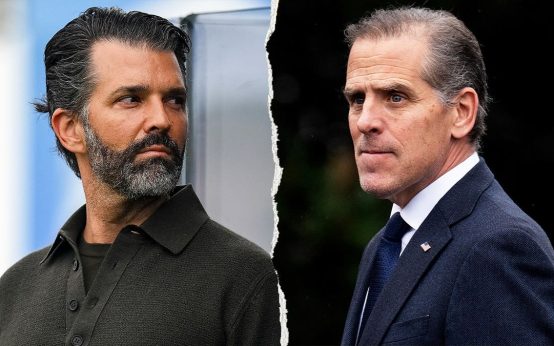 Curtis Pushes for Investigation into Trump Jr. and Biden
  Israeli Prime Minister’s Visit to the U.N. Amid Controversy
  Reader Perspectives on Social Security Reform and Competency-Based Degree Programs
  Republicans in Battleground States Urge End to Iran Conflict