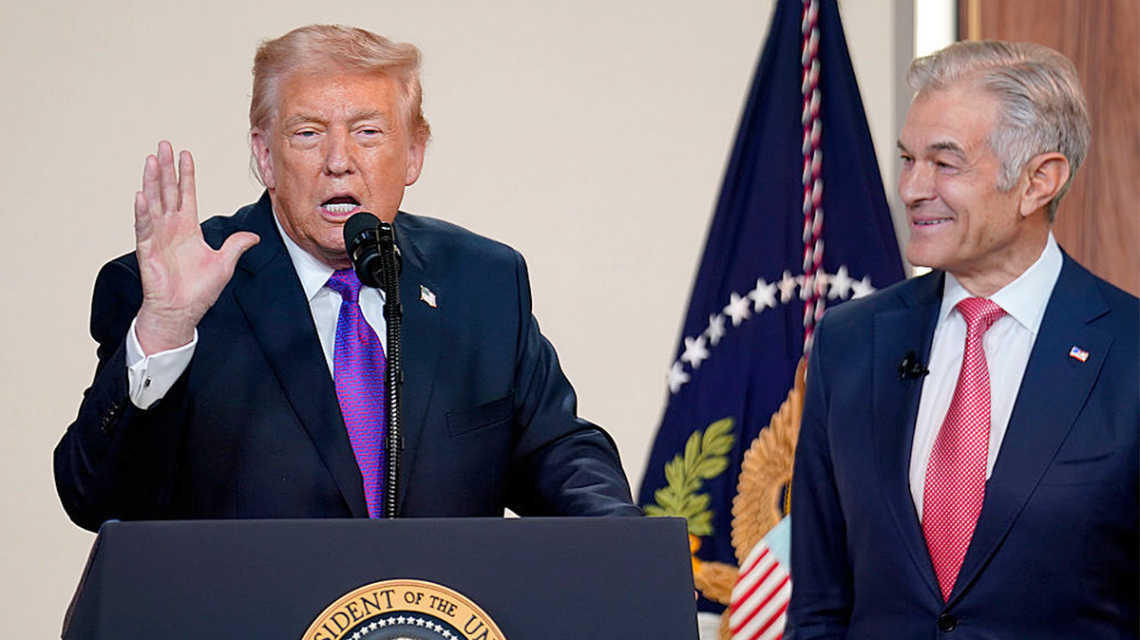
Andrew Cherkasky, a former federal prosecutor, has sounded the alarm on healthcare fraud, likening it to organized crime operations. He appeared on ‘The Faulkner Focus’ with host Harris Faulkner to discuss recent Department of Justice actions against large-scale Medicaid fraud schemes. These schemes divert millions in essential funds, endangering the well-being of vulnerable Americans as vital healthcare resources become scarce.
Autism care providers across the nation are supporting the Trump administration’s efforts to tackle Medicaid fraud. They argue that alleged misappropriation of federal funds is detrimental to taxpayers and children with autism who depend on these services. A coalition known as the Autism Families Alliance is actively voicing their support for measures holding accountable those who exploit Medicaid.
This group, a national advocacy organization, focuses on supporting Applied Behavior Analysis (ABA) providers and the families using their services. They aim to ensure that children receive high-quality care without barriers or funding reductions. Taylor Sanders, a family advocate, commented on the importance of this work, stating that every child deserves an opportunity to communicate and achieve independence.
“Every dollar stolen by fraudsters should be directed towards helping children with autism gain the skills they need,” Sanders emphasized.
While the coalition strongly backs efforts to eliminate fraud and prosecute offenders, they express concern that wider initiatives could unintentionally hinder legitimate providers’ ability to serve autistic children. Several states are bolstering oversight of autism services, but the coalition urges policymakers to remove fraudsters without adding hurdles for families seeking care.
Dr. Mehmet Oz, serving as the administrator of the Centers for Medicare & Medicaid Services, echoed similar sentiments. In a national anti-fraud initiative press briefing, he emphasized that legitimate service providers stand frustrated by the presence of fraudsters. These unethical practices not only harm those they care for but also unfairly impact the business of honest providers.
Rocio Berni, a parent of an autistic child, shared how her son, Manny, benefited from ABA therapy, which helped him communicate better and improve his social interactions. She stressed the necessity of maintaining access to these vital services for children like Manny, urging policymakers to ensure continued care.
Kelsey Bennett, another family advocate, highlighted that fraud has no place in healthcare. While supporting accountability efforts, she insisted that actions must specifically target offenders without creating barriers for families seeking necessary medical services.
The coalition’s stance reinforces the need to focus on fraudulent activities without compromising the access to essential care for children with autism.
Bennett emphasized the importance of targeting policies correctly. Children’s long-term progress relies on consistency and continuity of care. Limiting resources such as telehealth can further restrict access, especially in rural areas. Effective policies must protect resources and maintain timely access to necessary treatments.
Children should not suffer due to the unethical actions of a minority within the healthcare system. The coalition is committed to ensuring that these children receive the high-quality, evidence-based care they need to thrive.
 Voluntary Recall of Mezzetta Peperoncini Due to Pest Contaminant
 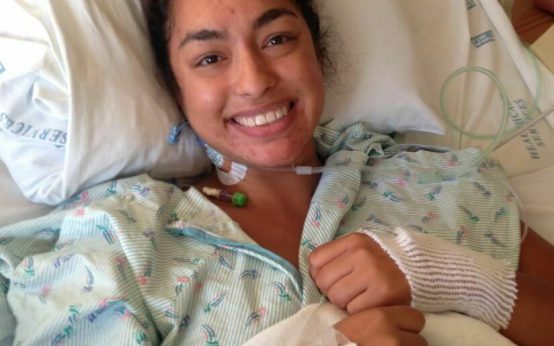 Leila Mirhaydari’s Journey Through Kidney Transplant Challenges
  Political Push for Insulin Price Cap
  The Impact of Private Equity on Hospitals
  A Mother’s Journey: Raising a Son with Down Syndrome
 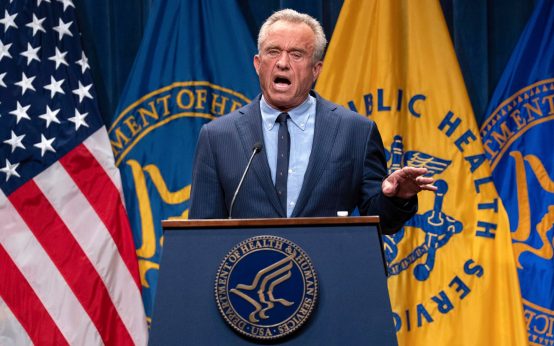 Potential Impact of Changes to the National Vaccine Injury Compensation Program