Chinese viewers experience American political chaos differently from Western viewers. For them, it serves as a civics lesson forbidden in their own country. When I left China as a 26-year-old graduate student, my confidence in the Communist Party broke when I first boarded a Boeing 747, a testament to industrial strength that China lacked at the time. For those raised in a closed, leader-focused society, America’s political scene offers surprises that Westerners often take for granted.
Despite the Great Firewall, American politics is more visible in China than ever. Clips of White House briefings, court rulings, and congressional hearings circulate on platforms like Weibo and WeChat, often subtitled in Chinese, until censorship catches up. Others bypass restrictions using VPNs. Political upheaval might be common in democracies, but the Trump administration has heightened its drama, showing clashes between the president, Congress, and the courts.
In February, the Supreme Court ruled that the emergency powers law Trump used did not support his extensive tariffs. By June, it quashed his order limiting birthright citizenship. Battles continue with no permanent victor. Although many Americans tire of these conflicts, some in China observe and learn silently. Here are five takeaways:
Everyday Life Continues Amidst Political Chaos
In China, where the party oversees the government, education, business, and almost all institutions, upheaval at the top affects daily life, as seen during the Cultural Revolution. In America, life mostly continues, with the country maintaining its lead in innovation globally.
An Authority Higher Than the Ruler
Chinese tradition centers on human leadership and secular values. While ancestors were respected, no entity surpassed the emperor’s authority. Conversely, America’s founding principles assert that individuals are “endowed by their Creator” with rights beyond governmental power. Whether based on God or natural law, these rights suggest that the ruler is not the ultimate authority. Chinese audiences perceive this as refreshing and inspiring.
Decisions Based on Facts
In China, authorities shape concepts, and facts align accordingly. American courts rely on evidence and law, with opposing views debated openly. Judges focus on the facts and applicable statutes, in contrast to China’s courts where decisions frequently follow the party’s stance. Conviction rates exceed 99% in China.
The Rule of Law Above Individuals
China uses law as an instrument for party control, not to bind those governing. In America, even the president can face lawsuits and must comply with rulings. These checks affect presidents from both parties. In 2023, the Supreme Court struck down Joe Biden’s student loan forgiveness plan, demonstrating the enduring separation of powers set by the founders.
Freedom of Speech and Organization
China’s constitution theoretically offers these rights, yet every newspaper answers to the party. Independent groups face suppression, and protests, like the 2022 “white paper” demonstrations against zero-COVID policies, face swift crackdowns. In the U.S., newspapers routinely critique the president, comedians satirize him, and citizens organize, protest, and file lawsuits freely.
State media in China present this scenario as evidence of democracy’s chaos, claiming “the East is rising” while “the West is declining.” On social media, voices dissenting from the official line get silenced. The Nobel Peace Prize winner Liu Xiaobo died in custody in 2017. The outspoken tycoon Ren Zhiqiang is serving an 18-year sentence. China’s AI, like the chatbot DeepSeek, also faces censorship. It provided no information about Liu and omitted key essays critical of Xi Jinping when queried about Ren.
While it’s challenging to measure genuine opinion inside China due to the risks of dissent, many Chinese abroad remain cautious. Yet, those who speak freely tell a different story. Though American political chaos is real, underlying it is something less visible: liberty, checks and balances, and a society with enough freedom to continue innovating. The noise reflects a nation debating internally rather than adhering to one leader or party. Chinese viewers perceive not a collapsing nation but a freedom they haven’t experienced at home.
Yan Zhou, once from China, pursued a Ph.D. in mathematical economics at UCLA under Nobel laureate Lloyd S. Shapley. He now researches independently in Seattle and authored “From Scripts to Worldviews.”
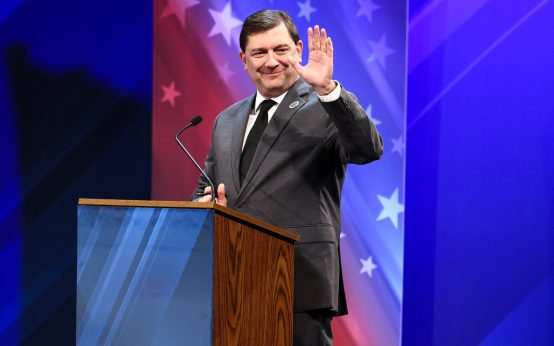 Maine Senate Race: Jackson Outpaces Collins in Fundraising and Polls
 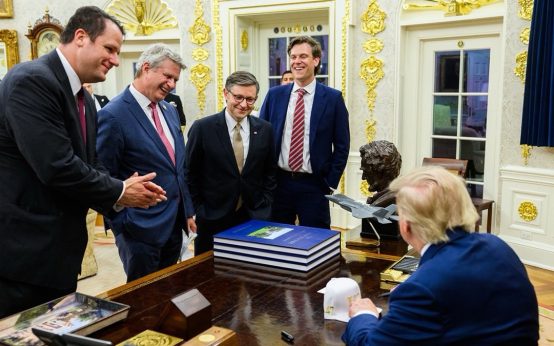 James Braid’s Impact in Washington and Trump’s Legislative Successes
 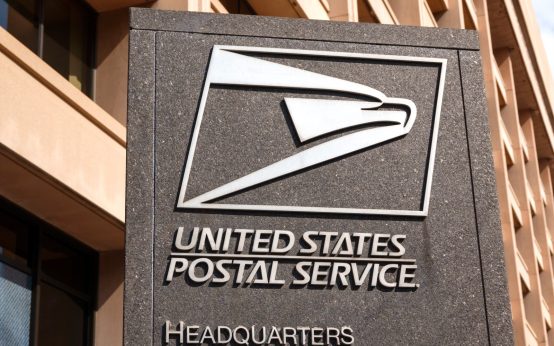 Federal Authorities Investigate Suspicious Mailings Ahead of Election Day
  Sherrod Brown: Economic Populist and Cultural Liberal Seeks Washington Role
  Contentious Alaska Senate Debate Highlights Key Issues