
When leading the United States, strategic foresight is crucial before engaging in war. President Trump, known for his impulsive nature as described by Peter Baker in the New York Times, often follows his instincts and frequently changes his stance quickly. His initial belief was that conflict with Iran would conclude swiftly, countering predictions of a prolonged engagement.
The war began on February 28, with Trump optimistically predicting a short duration. By March 1, he claimed the conflict might last “four to five weeks.” On March 5, he asserted that the U.S. military, alongside Israeli partners, was progressing rapidly and effectively. Just days later, he declared substantial victories, suggesting the U.S. was decisively winning.
However, as of August, the conflict continues without resolution. Negotiations have stalled, and public opinion has shifted. An Associated Press poll indicates 64% of Americans now oppose the war, including 87% of Democrats and over a third of Republicans. These figures reflect disapproval of Trump’s handling of the war, which has endured longer than anticipated.
Recent polling data does not favor the president. Only 34% of Americans support him in CNN’s latest survey, echoing his lowest points historically. The AP-NORC and Quinnipiac polls show similar sentiments, with approval ratings at 33% and 32%, respectively. Despite these numbers, Trump continues to claim high approval on social media, disconnected from public perception.
Republicans facing reelection remain concerned, aware of the brewing sentiment. Kristin Soltis Anderson, a Republican pollster, notes that while Democrats face internal challenges, the current environment might advantage them based on opposition to Trump alone.
Trump faces pivotal choices in this prolonged conflict. His vow to bomb Iran into submission is questioned alongside his fluctuating commitment to diplomacy. This inconsistency has likely diminished his credibility both internationally and domestically. The lack of a clear strategy has perplexed allies and opponents alike.
If negotiations fail, Trump need not resort to extreme military measures but must exert enough pressure for Iran to negotiate a favorable agreement. Alternatively, withdrawing could be an option, even if it means claiming an unconvincing victory. The upcoming midterms loom as Trump navigates these complex choices.
Bernard Goldberg, an award-winning journalist, shares insights on his Substack page. Follow him @BernardGoldberg.
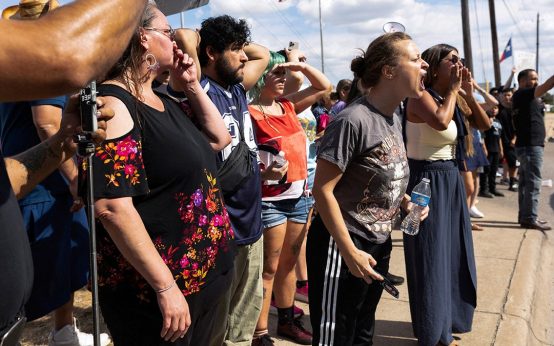 Protests in Austin: Analyzing the Coordination Behind Anti-ICE Demonstrations
 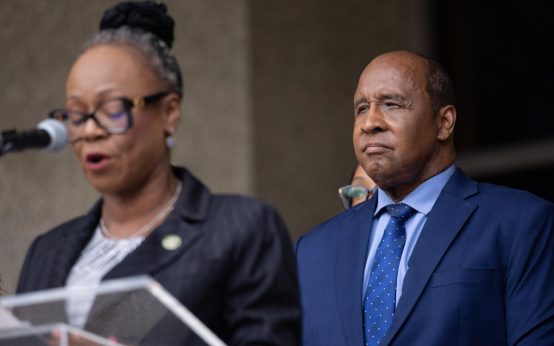 Controversy Surrounds Inglewood Mayor Amid Allegations
 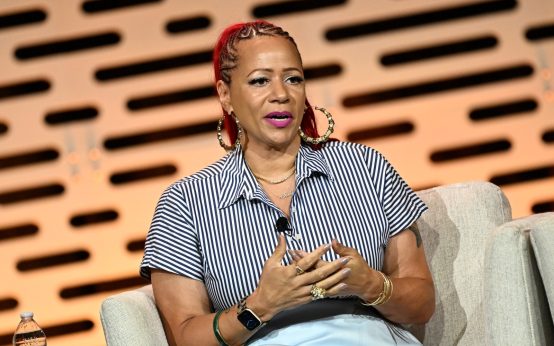 Nikole Hannah-Jones’ Reflection on School Integration and the Impact on Her Daughter
 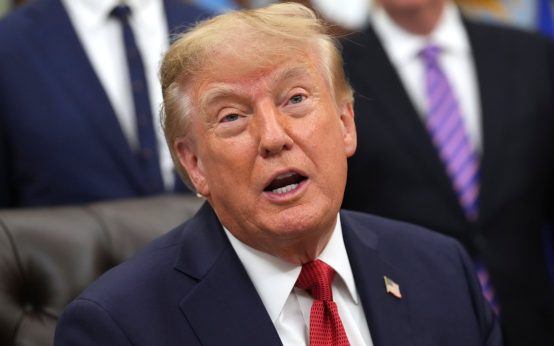 White House Launches Trump TV Amidst Press Dispute
  Media Organizations Sue Trump Administration Over Press Access
  Venezuelan Leadership at the United Nations