A last-minute attempt to advance the ‘Protect College Sports Act’ ended in a Senate impasse at 2 a.m., despite a strong push from President Donald Trump. The efforts on Friday, which included numerous amendments and calls for extended discussions, failed to secure a Senate vote before the August recess. The act’s supporters had hoped for a different outcome.
Late-Night Efforts Fall Short
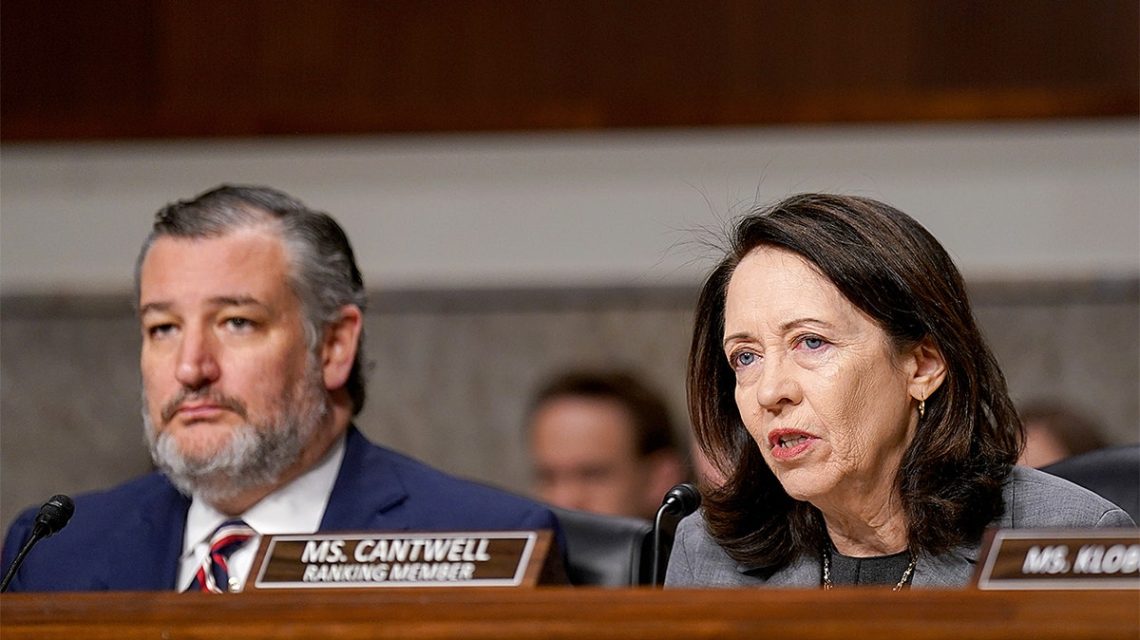
On an intense Friday, Senators Ted Cruz and Maria Cantwell, alongside Eric Schmitt, rallied with hopes of reaching a vote. The Senate Chamber saw a late-night return of senators and aides as momentum increased, yet the effort did not yield the desired results.
The Protect College Sports Act continues to show great momentum. Sens Cruz and Schmitt have worked tirelessly with support from nearly every conference in the country, HBCUs, and the Olympic sports committee. It’s clear that this bill is the only way to save college sports and women’s sports,Cruz and Schmitt stated early Saturday morning.
Despite their efforts, a unanimous consent agreement was not reached. However, a guaranteed vote is scheduled for September. The bill aims to provide stability for college sports with federal NIL rights, scholarship protections, and healthcare provisions, benefiting both men’s and women’s sports.
Amendments and Opposition
The week prior, the SEC and Big Ten announced their support, bringing hope among supporters. However, Friday’s deadline saw many amendments aiming to reshape the bill. In particular, Senator Ashley Moody of Florida introduced an amendment allowing schools a 180-day window to leave their current conferences without facing a five-year independent period.
Moody’s proposal raised concerns about conference alignment, potentially benefiting schools like Florida State and Miami. Though intended to aid institutions, the amendment faced pushback behind the scenes.
Challenges Ahead
Efforts to advance the bill included reducing holds and pushbacks by Saturday morning. Yet, unanimous support and the 60-vote requirement remain out of reach. Sen. John Kennedy criticized the bill’s potential impact on NCAA liability, suggesting a more cautious approach.
Opposition extended beyond Washington, with Riley Gaines noting the bill’s supposed flaw concerning transgender athletes’ potential eligibility. A White House letter assured congressional leaders that the act would not bypass state laws regulating sports participation.
The National Black Caucus similarly expressed concerns, reducing the likelihood of the bill progressing soon.
Future Prospects
The bill faces a September timeline, as college football season quickly approaches. Amendments will take time to address, even if the Senate had voted. If passed, changes in the House could alter the outcome further. With midterm elections looming and other pressing issues, the fate of the ‘Protect College Sports Act’ remains uncertain.
Trey Wallace, Sr. College Sports Reporter for OutKick.
 Karoline Leavitt Offers Insights on Trump’s Calls With Putin and Xi
  Curtis Pushes for Investigation into Trump Jr. and Biden
  Israeli Prime Minister’s Visit to the U.N. Amid Controversy
  Reader Perspectives on Social Security Reform and Competency-Based Degree Programs
  Republicans in Battleground States Urge End to Iran Conflict
  The Role of Consumer Choice in Restaurant Industry Dynamics