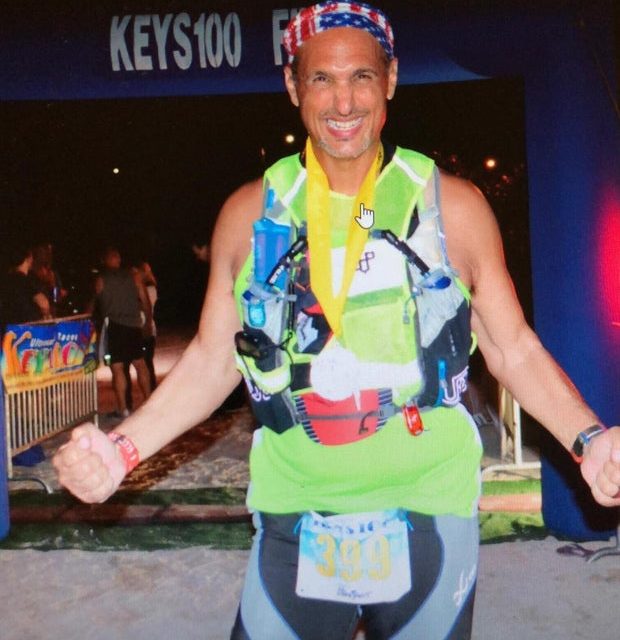
Todd Meiklejohn began his morning on August 8, 2025, like any other day. As an adult education teacher, he woke up at 6 a.m. to prepare for an early meeting. His wife had already left for the gym. During his routine, he experienced a sudden, sharp pain and his memory turned indistinct. His vision blurred, and only one eye functioned. His right side became immobile. He remained conscious, confused about the situation.
Meiklejohn recounted the events, stating, “I exited the bathroom and fell against the wall. The paralysis on my right side set in.” Despite attempts to stand, he was too weak to rise. As an athlete and biker, the physical frailty was distressing.
“I kept falling,” Meiklejohn said. “I didn’t have the strength.”
Swift Action Helps Recovery
Approximately 45 minutes later, his wife discovered him and contacted emergency services. He was transported to the Miami Neuroscience Institute at Baptist Health, where doctors diagnosed a massive stroke.
Dr. Guilherme Dabus, an interventional neuroradiologist, emphasizes the importance of immediate response in stroke situations, explaining that “time is brain.” Blood flow disruptions cause brain cells to die due to lack of oxygen. Quick restoration of circulation reduces long-term damage for stroke patients.
Doctors performed a mechanical thrombectomy using a catheter to remove the clot, facilitating normal blood circulation and reviving brain function. Just 38 minutes post-911 call, the procedure began, minimizing permanent damage. Meiklejohn rapidly regained speech and movement on his right side, leaving the hospital within 48 hours. Dr. Dabus remarked on the impressive recovery, calling it “amazing.” Meiklejohn reflected, “(Dr.) Dabus said, ‘You’re a miracle.’ I’m grateful to walk away and share this story.”
Uncovering the Cause
The focus shifted to understanding why Meiklejohn, in excellent health at mid-50s, had such a severe stroke. Initially, doctors suspected a blood clot migrating from his leg but ruled this out after health history evaluations.
Subsequent heart health considerations led to discovering a heart defect named patent foramen ovale (PFO). Dr. Eihab Ghantous of NYU Langone’s Adult Congenital Heart Disease Program explains this small opening between heart chambers typically closes after birth. If persisting, it leaves a harmless gap for most people. Dr. Ghantous notes 20-30% of adults have PFOs without impact on longevity.
In rare cases, PFOs ease clot travel to the brain, potentially causing strokes. Everyday activities may spark small blood clots in lower extremities. These usually dissolve in the lungs but can occasionally travel through a PFO to the brain.
Dr. Dabus confirmed Meiklejohn’s stroke happened due to an exceptionally rare clot migration through his PFO.
Recovering and Raising Awareness
To address the PFO, Meiklejohn underwent a successful minor procedure closure, considerably reducing future stroke risks. One year post-stroke, he focused on rebuilding strength, resuming work four weeks after surgery, and completing a 100-mile bike ride two months later. Despite lingering leg scars from the stroke, he closely monitors blood pressure and heart rate.
Meiklejohn remains grateful for his wife’s timely return. “Thank God, she came back,” he said.
He aims to increase stroke treatment awareness, stressing the vital role of swift action. Meiklejohn observed, “Many people have affected family members, yet until it happens personally, you have no idea.”
Edited by Lucia I Suarez Sang
 VA Enhances Suicide Prevention Efforts with $112 Million in Grants
  State Funding Urgency for Psychiatric Hospitals
  State Needs to Increase Funding for Psychiatric Hospitals
  Trump Administration Issues Refunds to ACA Enrollees
  Study Links Ultra-Processed Foods to Health Risks
  Psychiatrists Rethink Diagnoses with Social Media Trends