
Morgan Wright, a former State Department antiterror advisor, appeared on a broadcast to discuss a significant cybersecurity breach impacting Chase, Visa, and Mastercard. He explained how customer data was exposed and highlighted essential security measures you should take to protect your financial information during times of global technology disruption.
Understanding Identity Restoration
Restoring your identity after theft can be complex. Identity theft restoration requires more than a simple phone call. It involves securing accounts, documenting fraudulent activities, and coordinating with various companies to amend erroneous records. Here’s a detailed approach to identity restoration, what you should do independently, and how professional assistance can be beneficial.
Initial Steps to Take
- Identify the Problem: Begin by understanding the issue at hand. A specialist will inquire about the timing of the suspicious activity, the accounts accessed, and any financial or personal data loss. It’s crucial to differentiate confirmed fraud from suspicious activities that require further investigation.
- Focus on Containment: Preventing further damage is critical. You may need to notify your bank, lock credit cards, change passwords, or secure a mobile phone account. Placing a fraud alert or credit freeze can also help mitigate potential fraudulent activities.
- Organize Information: Set up a case file to record all relevant details, including dates, correspondences, and representative names. This documentation can prevent repetitive explanations across multiple interactions.
Involving the Right Institutions
The process of identity restoration often involves multiple organizations such as banks, credit bureaus, and service providers. Each follows specific protocols. A restoration specialist can guide you through the requirements and coordinate with these institutions on your behalf.
- Dispute and Correct Records: Once your accounts are secure, focus on correcting discrepancies. Report identity theft through IdentityTheft.gov to create an FTC Identity Theft Report, which is instrumental in resolving credit-related issues. Keep copies of all submitted documents and request written resolutions when issues are corrected.
- Continue Follow-Ups: Recovery is often ongoing. Ensure you follow up on promises made by companies and regularly review your financial statements for any anomalies.
Types of Identity Theft
Identity theft’s resolution path varies based on the fraud type. Addressing new-account fraud may involve dealings with creditors and credit bureaus, while existing account takeovers necessitate immediate financial institution attention. Being aware of the fraud type aids in deciding the appropriate steps and organizations to contact.
Tools and Services for Support
Identity protection services can assist in managing recovery, offering support through specialists and tools designed to detect suspicious activities. While these services do not guarantee issue resolution, they provide meaningful assistance throughout the process.
Additional Protective Tools
- Payment Card Information Review: Some services can help identify where your card details might be stored, prompting you to remove them from outdated accounts.
- Alert Systems: Services that monitor financial accounts can alert you to unusual transactions, allowing you to act quickly.
- Data Removal Services: These can help minimize your digital information footprint by handling removal requests with data brokers.
- Scam Assistance: Access to experts who can guide you through potential scams and recovery processes.
Identity theft recovery requires patience and organization, but having the right information and support can ease the burden. Always stay vigilant, document interactions, and utilize available resources effectively.
 Protests Rise in Spain Against Data Center Expansion
 Lego Fortnite Supply Llama: A Tween’s Dream Gift with Huge Savings
 Jensen Huang’s Controversy Highlights Challenges for Corporate America
 Federal Agencies Face Cybersecurity Challenges
 FBI’s Crime Database Faces Hacking Threat
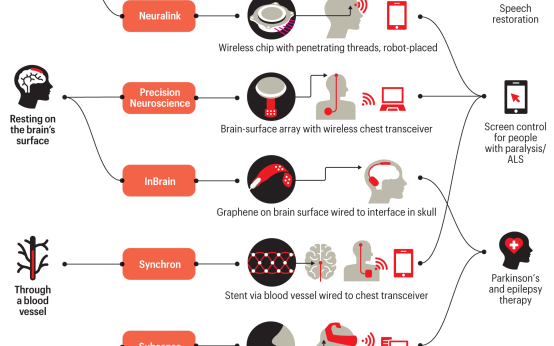 Neuralink’s Impact on Brain-Computer Interfaces