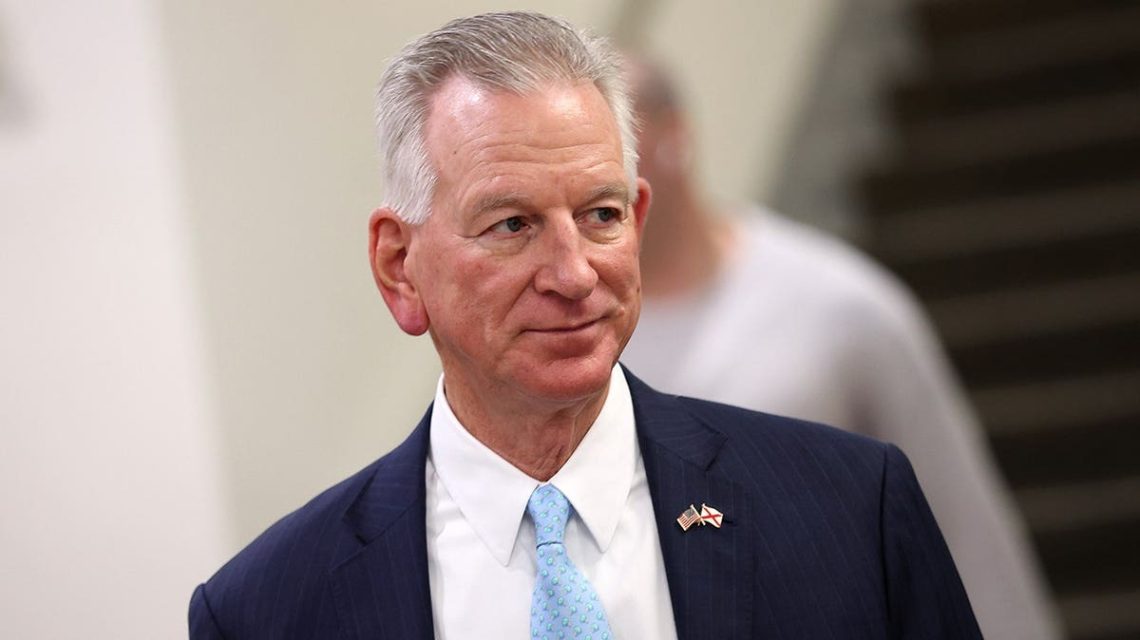
In February 2023, Alabama Senator Tommy Tuberville placed a hold on military promotions to protest a Department of Defense policy that reimbursed travel expenses for service members seeking reproductive healthcare across state lines. This action delayed the promotions of over 400 senior military officers for around 10 months. Many of these officers were Army, Air Force, and Marine Corps colonels, as well as Navy captains, vying for promotion to general or flag ranks.
The ‘Tuberville Blockade’ disrupted the lives and careers of these officers. It interfered with their planned career paths and assignments, causing significant upheaval. Even generals and admirals were affected by the embargo.
Career military officers should not become hostages to political objectives. Tuberville eventually lifted his hold following pressure from both Democratic and Republican senators. Colleagues emphasized he was harming the careers of individuals who had served admirably for decades.
Senator Tuberville is poised to become Alabama’s next governor, with hopes he learned from this experience. His precedent demonstrates why a radical leftist like Michigan’s Abdul El-Sayed should not hold office as a United States senator.
El-Sayed opposes the State of Israel and likely American military support. His appearances with left-wing streamer Hasan Piker, including at rallies, signal a potential negative impact on military and Israeli defenses if elected. El-Sayed advocates for a complete arms embargo on Israel, rejecting distinctions between offensive and defensive weapons, including systems like the Iron Dome.
This stance places him among Senate candidates who openly oppose U.S. military support for Israel. Given the precedent set by Tuberville, El-Sayed could employ similar tactics to challenge aid to Israel. Voters should consider this possibility.
One senator alone cannot cut off all aid. However, Tuberville’s blockade showed the disruption possible through Senate rules and procedures used by determined members.
Michigan voters should consider if El-Sayed would hesitate over potential harm to the U.S. military. The election features Republican candidate Mike Rogers against El-Sayed. Few Democrats remain in Congress favoring defense, such as Elissa Slotkin of Michigan. GOP and Democratic senators tend to avoid criticizing colleagues publicly and adhere to unwritten codes within their parties.
Thus, Michigan’s Senate race becomes crucial for national security. Republican volunteers campaigning for Rogers contribute to a larger cause: protecting national defense.
El-Sayed’s extremism represents a dangerous threat to the country’s military. He should not be allowed to hold a position where he can impede the armed forces.
Hugh Hewitt is a Fox News contributor and host of “The Hugh Hewitt Show” heard weekday afternoons. His show focuses on the Constitution, national security, American politics, and sports.
 Holding Washington Accountable: Combatting Corruption and Self-Enrichment
  Court Order Leads to Removal of Trump’s Name from Kennedy Center
  Irish Prime Minister Rejects Claims of Antisemitism in Israel Criticism
  Potential Impact of Changes to the National Vaccine Injury Compensation Program
  Governor Newsom Signs Bills to Protect LGBTQ Community in California
  Trump Administration Faces Legal Scrutiny Over Use of Pocket Rescission to Cut Funding