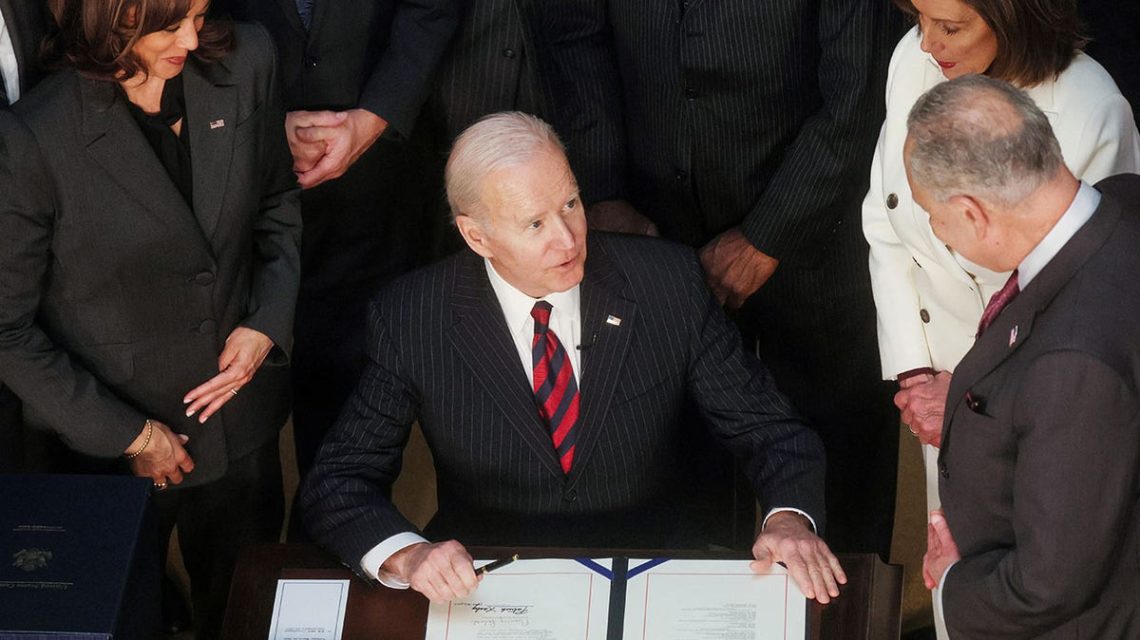
The Justice Department (DOJ) faced confusion following President Joe Biden’s end-of-term clemency grants. Internal emails reveal that officials struggled to understand the scope of some decisions and to correct errors. A clemency process, criticized by former U.S. pardon attorneys and others, unraveled as documents obtained by Protect the Public’s Trust (PPT) and shared with Fox News Digital showed.
In one instance, prosecutors were uncertain if Biden commuted a 235-month sentence for a career offender involved in crack-cocaine trafficking cases. A deputy pardon attorney suggested a sensible interpretation while admitting that many of Biden’s commutations on January 17 bypassed usual vetting. These grants skipped the pardon office’s standard review process.
Another episode involved Hunter Biden’s pardon, which caught the DOJ’s Office of the Pardon Attorney (OPA) off guard. A notice mistakenly described him as pardoned after sentence completion, although he had not been sentenced. Officials spent days authenticating and delivering the pardon to the court.
U.S. District Judge Daniel Hovland questioned over a dozen North Dakota commutations, highlighting that judges, prosecutors, and victims hadn’t been consulted. He doubted several pardons’ validity, noting discrepancies with the clemency’s second-chance rationale.
“The process didn’t match the public sales pitch,” former Virginia Attorney General Jason Miyares said. “There is a Grand Canyon gap between the public description and the internal reality.”
PPT’s communications director Alexa Moutevelis noted, “This paints a troubling picture of a pardon process driven by politics and haste rather than careful deliberation.”
Biden assured Americans that he took clemency seriously. However, DOJ officials indicated that 1,500 people’s sentences, commuted on December 12, were granted clemency as a group, identified by the Bureau of Prisons (BOP) and DOJ, serving home confinement during COVID. Individual offenses were not reviewed separately before the clemency was granted.
Reports surfaced that former U.S. Pardon Attorney Liz Oyer informed attorneys that Biden’s clemency actions didn’t involve her office and had little coordination with the Department. Assistant U.S. Attorney Maya Song sought clarification on a commutation related to Christopher Damon Spencer, highlighted in a January 18 email exchange.
Deputy Pardon Attorney Kira Gillespie shortly responded that applying the commutation to both docket numbers was sensible, apologizing for the confusion. She noted that many January 17 clemencies were not vetted through their office and the data wasn’t reviewed thoroughly.
The emails detail more confusion around Hunter Biden’s pardon. OPA reported it wasn’t processed through an application in their office, confirming they were unprepared. When Politico planned to report OPA’s surprise, Oyer confirmed the account.
OPA needed to amend its notification about Hunter Biden’s pardon. On December 6, Oyer stated the matter was resolved after verifying it with a court clerk.
A DOJ official attributed errors to the Biden White House not providing timely information about the commutations. The resulting confusion forced DOJ personnel to notify affected individuals on short deadlines.
Oyer highlighted that presidents have relied on DOJ’s neutral advice for over 130 years but noted certain clemency grants, including Hunter Biden’s, bypassed consultation with her office.
Reports indicated DOJ recommended only 258 of the roughly 2,490 Jan. 17 clemency recipients. Some individuals included were those the department had rejected, yet hundreds DOJ recommended were excluded.
Former Pardon Attorney Margaret Love remarked that the January 17 emails showed a departure from traditional procedures. She emphasized the importance of vetting names through the regular process, which was absent here.
Judge Hovland aired objections publicly regarding December 12 commutations. He highlighted cases where victims, prosecutors, and he as a sentencing judge hadn’t been contacted. No DOJ response to Hovland’s requests for explanation was found.
Hovland pointed out recipients involved in fraud of millions of dollars and expressed concerns about commutations, feeling some were unwarranted and eroded respect for law.
In December’s federal death-row commutations, DOJ ensured advance calls to U.S. attorneys. Discussions revealed pushback, but calls were appreciated.
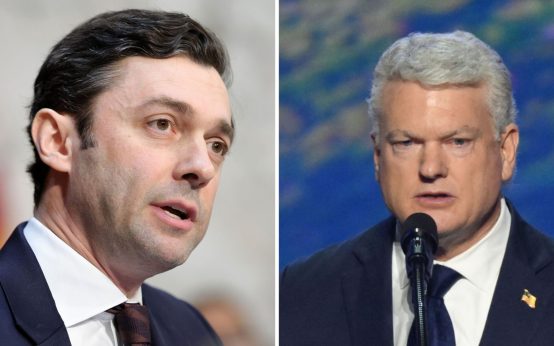 Democrats Battle to Maintain Senate Seat in Georgia
 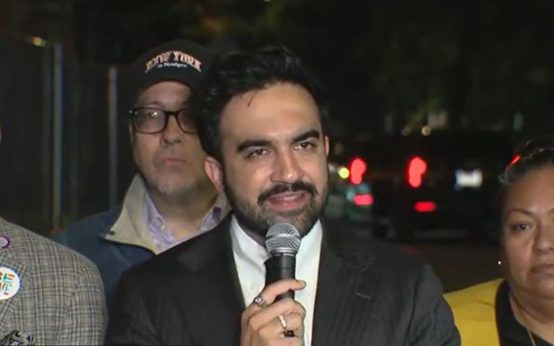 NYC Mayor Calls for End to ICE Operations After Shooting Sparks Protests
 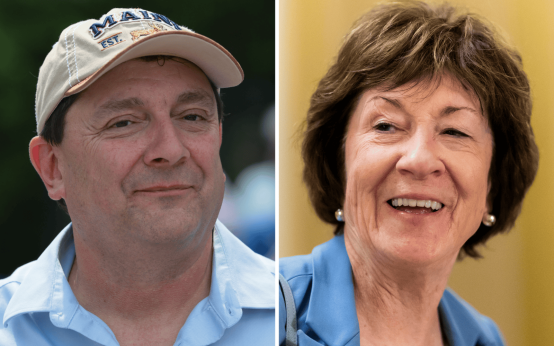 Susan Collins and Troy Jackson Face Off in Heated Debate
 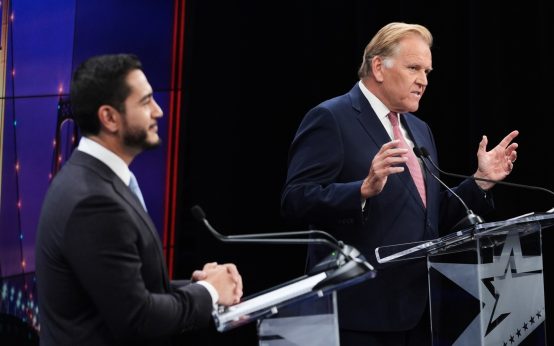 Tensions Rise in Michigan Senate Debate
  Senator Ossoff Criticizes Representative Collins Over Alleged Ties
  Evaluating Political Promises: The Nebraska Test