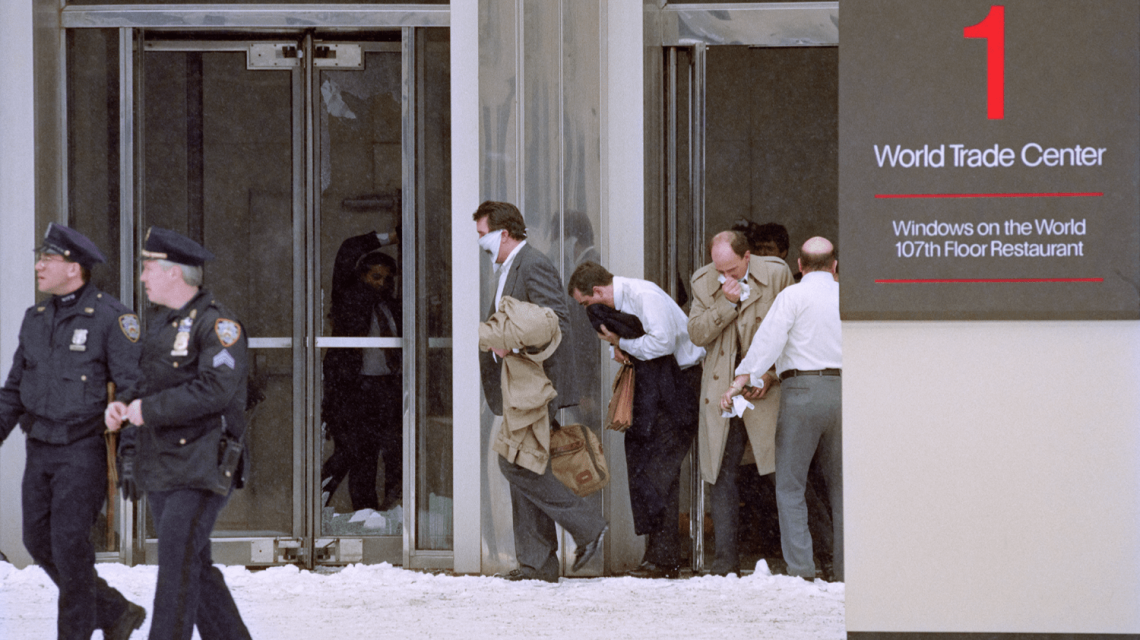
As the countdown to the September 11 attacks progressed, key figures came into focus. On August 13, 2001, Khalid Sheikh Mohammed (KSM), the chief planner of the 9/11 attacks, sought an Australian visa using a fake Saudi passport and a false name. Despite receiving this visa, he never used it. Instead, KSM obtained a B-1/B-2 visa for entry into the United States, relying on the same false identity of Abdulrahman al Ghamdi and a counterfeit Saudi passport.
KSM’s background is multifaceted. He was born in Pakistan and raised in Kuwait. He later moved to the United States for education, graduating from North Carolina Agricultural and Technical State University in 1986. His subsequent participation in Afghanistan’s jihad against the Soviet Union during the 1980s introduced him to Osama bin Laden. Returning to Pakistan after the Soviet retreat from Afghanistan, KSM emerged as a key coordinator of terrorism plots. He was involved in actions like the 1993 World Trade Center bombings and worked closely with Ramzi Yousef, who led the New York attack. In the Philippines, KSM plotted to detonate bombs aboard airliners, using the Abdulrahman alias again. Even after Yousef’s capture, this alias remained active.
In 1996, the Southern District of New York indicted KSM for terrorism-related conspiracy. Despite his connection to multiple plots, the attempt to capture him in Qatar failed. The rendition plan, involving FBI director Louis Freeh, was obstructed when KSM was tipped off by Qatari officials and managed to flee. Subsequently, U.S. authorities placed KSM on the TIPOFF watch list, yet he faded from focus.
Under the identity of Abdulrahman, KSM began coaching the Hamburg cell of Mohamed Atta, Marwan al-Shehhi, and Ziad Jarrah. Their extensive preparations in the U.S. for over a year were guided by KSM, who coordinated the financial and logistical aspects of their mission.
“Prior to September 11, the Intelligence Community had information linking Khalid Shaykh Mohammed (KSM) … to Bin Laden, to terrorist plans to use aircraft as weapons, and to terrorist activity in the United States.”
Despite this intelligence, the report on pre-9/11 activities criticized how KSM remained a rendition target post-1996 indictment, with a focus on his whereabouts instead of his active role in al-Qaeda.
It noted a lack of targeted intelligence efforts concerning KSM’s efforts in sending operatives to the U.S. Such oversight meant that community intelligence didn’t fully grasp al-Qaeda’s operational plans. Consequently, it wasn’t until over a year after September 11 that KSM’s central role was fully understood—a revelation surprising the intelligence agencies.
As more details of KSM’s involvement emerged, the complexities of his operations underscored missed signals and underestimation of his pivotal role in the terrorist network.
 Counterpressure, Not Concessions, Crucial for Russia-Ukraine Conflict
  Ukraine’s Capital Faces Increasing Frontline Challenges
  Key Developments in U.S. Politics and International Relations
  Latest Developments in Politics and Policy
 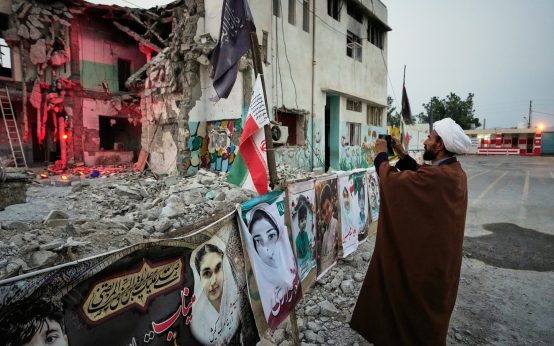 U.S. Airstrike on Iranian Girls’ School: UN Report and Global Reactions
  Cornell University Sexual Assault Investigation Reopened