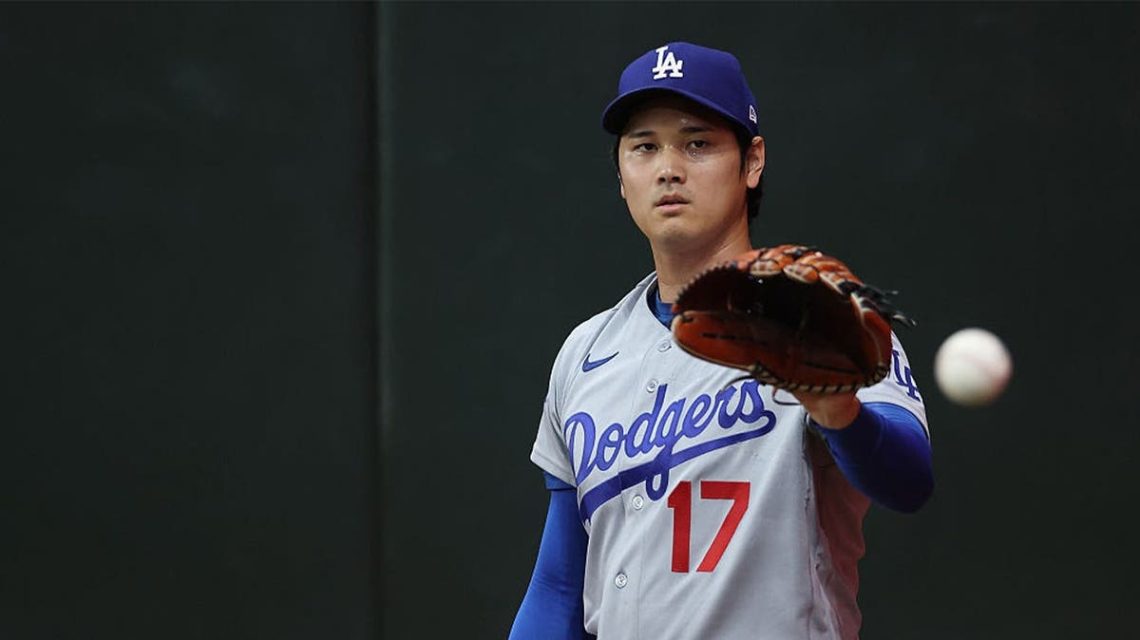
Major League Baseball’s league office and team owners have pushed to portray financial disparities as a key problem this season. Marketing efforts during broadcasts specifically highlight payroll differences, suggesting such imbalances are intolerable. The campaign slogan, “Level the Playing Field,” often targets the Los Angeles Dodgers, shown with their high payroll and luxury tax liabilities. The narrative ignores that luxury taxes are redistributed to support small market teams.
This initiative seeks to rally fan backing for a potential lockout and the introduction of a salary cap. The effort seems effective, with social media buzz showing fan support for owner perspectives, often overlooking actual game outcomes and advocating for increased team profits.
Disparity Arguments vs. Reality
The narrative suggests that lower payroll teams struggle competitively against high-spending franchises, using examples like the New York Yankees and Dodgers. Yet, there are inconsistencies. The New York Mets, reported by Sportrac to have the highest payroll for 2026, find themselves in last place within the NL East. Meanwhile, the Los Angeles Angels, despite operating in a large market, are performing poorly, with the worst record in the league.
Consider the San Francisco Giants and Philadelphia Phillies, both in major markets and high spenders, yet facing challenges. The Giants lag significantly in the standings, while the Phillies, usually big spenders, recently lost their playoff position. Unlike these teams, others like the Yankees and Toronto Blue Jays, despite hefty payrolls, also confront on-field struggles.
Success Stories in Smaller Markets
Contrary to the narrative, teams with modest payrolls excel this season. The Milwaukee Brewers and Tampa Bay Rays, leading their leagues, are notable examples. The Brewers hold the best record with a relatively low payroll ranking 19th, while the Rays, ranked 23rd, are equally successful. Additionally, the Chicago White Sox and Cleveland Guardians show competitiveness with bottom-tier payrolls.
The narrative seems at odds with reality, evidenced by teams like the Brewers and Rays outperforming wealthier franchises.
Implications of Playoff Outcomes
MLB’s push for a salary cap hinges on perceptions tied to playoff results. Regular season achievements often outshine postseason outcomes. Success in short series during playoffs relies on timing and luck as much as skill, meaning high payrolls don’t guarantee victory.
The Dodgers’ historical postseason failures illustrate this unpredictability; regular season dominance has not always translated to playoff triumphs. If the Brewers or Rays secure a championship, public opinion might question the necessity of a salary cap.
As uncertain as playoff results may be, the ongoing season highlights how competitive small market teams can challenge the accepted wisdom around payroll impacts on success. Observers will watch if Milwaukee and Tampa’s regular season success can counter the push for a salary cap based on playoff performance alone.
 Nick Saban’s Comments Raise Questions Amid College Sports Chaos
  Challenges in College Athletics: NIL Deals and Compensation
 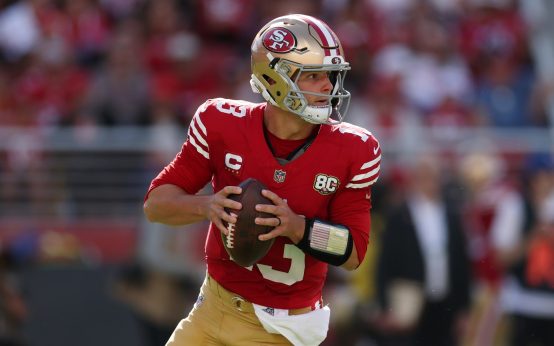 Brock Purdy Leads 49ers with Stellar Performance
  The Knicks Face Decisions as Player Contract Talks Remain Unresolved
  Pittsburgh Penguins Achieve Historic Road Win Against Flyers
  Sonny Gray’s Performance and Reflections on 2026 Season