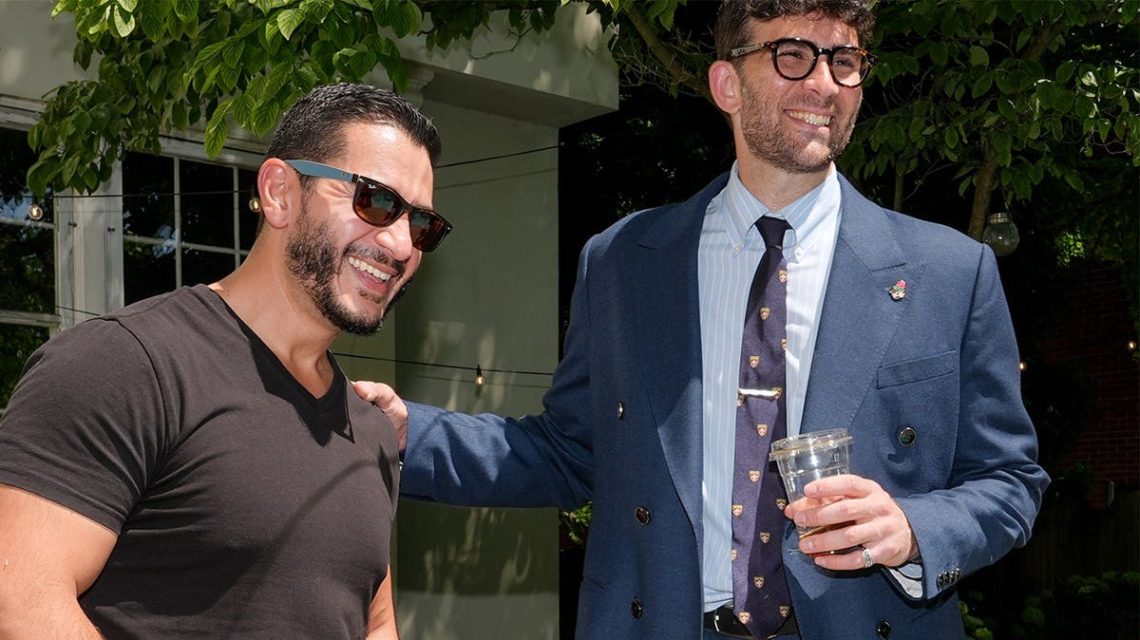
In Michigan’s upcoming Senate election, the Jewish community could play a crucial role in determining the outcome. With a close race apparent, Republican Mike Rogers may gain substantial support from Jewish voters, shifting allegiance from usual Democratic preferences.
Analysts highlight the importance of Jewish voters by referring to Michigan’s previous U.S. Senate race, which was settled by only 19,006 votes. The state houses between 105,000 and 130,000 Jewish adults, a demographic that may influence Rogers’ chances significantly.
“Republicans made notable gains in Jewish areas in 2024, not unlike Michigan,” Matthew Knee, a Republican pollster, mentioned to Fox News Digital. He further stated, “Rogers and El-Sayed, as candidates, could hasten this trend.”
Abdul El-Sayed, noted for his progressive stances, poses a dilemma for longtime Jewish Democrats. Many voters are caught between their traditional liberal values and concerns surrounding safety for their community.
Steve Cohen, a Michigan resident, articulates the growing apprehensions: “We’ve experienced attacks on institutions crucial to our community. The pressing anti-Israel sentiment across Michigan is becoming daunting.” Cohen’s sentiments reflect broader sentiments among Jewish voters contemplating a switch to Republican support due to perceived threats.
Benji, another voter, echoed Cohen’s concerns regarding El-Sayed’s stance on Israel: “El-Sayed’s rhetoric seems a purity test, forcing Jews into uncomfortable positions.” For Benji, these issues have brought a previously inconceivable split-ticket voting scenario into consideration.
Stacy, rooted in a Democratic family history, voiced similar concerns. Her discomfort grew during the state convention, where pro-Israel sentiments met with overt hostility: “The animosity was palpable when supporting Israel openly.” Stacy finds herself compelled to back Rogers despite traditionally opposing Republican candidates.
Jewish voters represent approximately 1.4% of Michigan’s electorate. Their concentration in Detroit suburbs offers substantial political influence. Recognizing this, Jesse Arm from the Manhattan Institute remarked that Jewish voters have historically favored Democratic candidates but are now reconsidering this allegiance.
Sam Markstein from the Republican Jewish Coalition shared insights into primary voting patterns that show distinct Jewish support for Stevens over El-Sayed. “Jewish voters, essential historically to Democrats, now have a significant inclination toward Republicans,” he noted.
Abdul El-Sayed, responding to criticisms, maintains his opposition to antisemitism and pledges protection for Michigan’s Jewish community. Despite this, prominent Jewish Democrats voice unprecedented opposition, with many withholding support or considering direct backing for Rogers.
El-Sayed’s remarks on the attack at West Bloomfield’s Temple Israel stirred further concerns. Members of the community found his reflections troubling and symptomatic of broader tensions.
The Michigan Democratic Jewish Caucus recognized the discontent among Jewish Democrats post-primary, urging El-Sayed to address these concerns substantively.
Rabbi Aaron Starr emphasized that extremism within political parties, particularly recent leftist extremes, unsettle Jewish communities. “Historically, Jews resist extremes. Now, leftist rhetoric increasingly concerns us,” he said.
As Michigan Jewish voters contemplate their choices, the significance of these deliberations underscores broader shifts within political landscapes, driven by local issues and candidate positions.
 Sen. Tom Cotton Opposes Year-Round Daylight Saving Time Amid Trump Pressure
 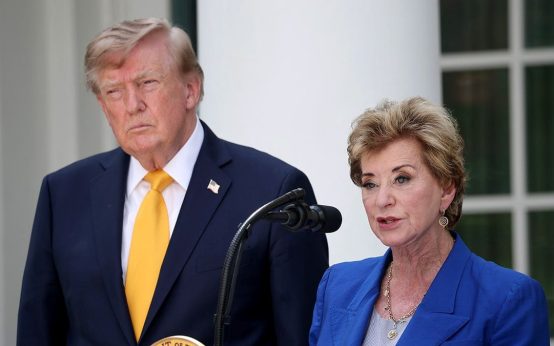 Pressure Mounts on Democratic Governors to Join Trump’s Federal Scholarship Program
  A Meeting with Steve Hilton’s Vision Amid California’s Political Dynamics
 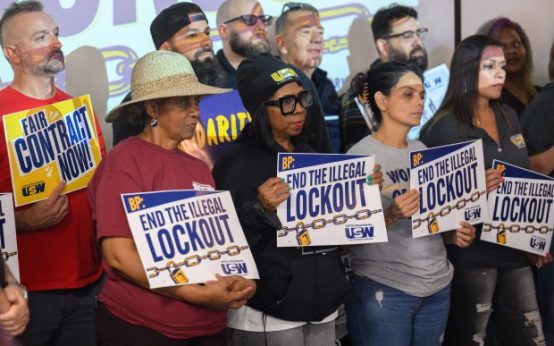 BP Lockout Spurs Push for Indiana Legislation on Unemployment Benefits
  Urgent Reforms Needed in Republican Nomination Process
  Debate Heats Up Over Permanent Daylight Saving Time