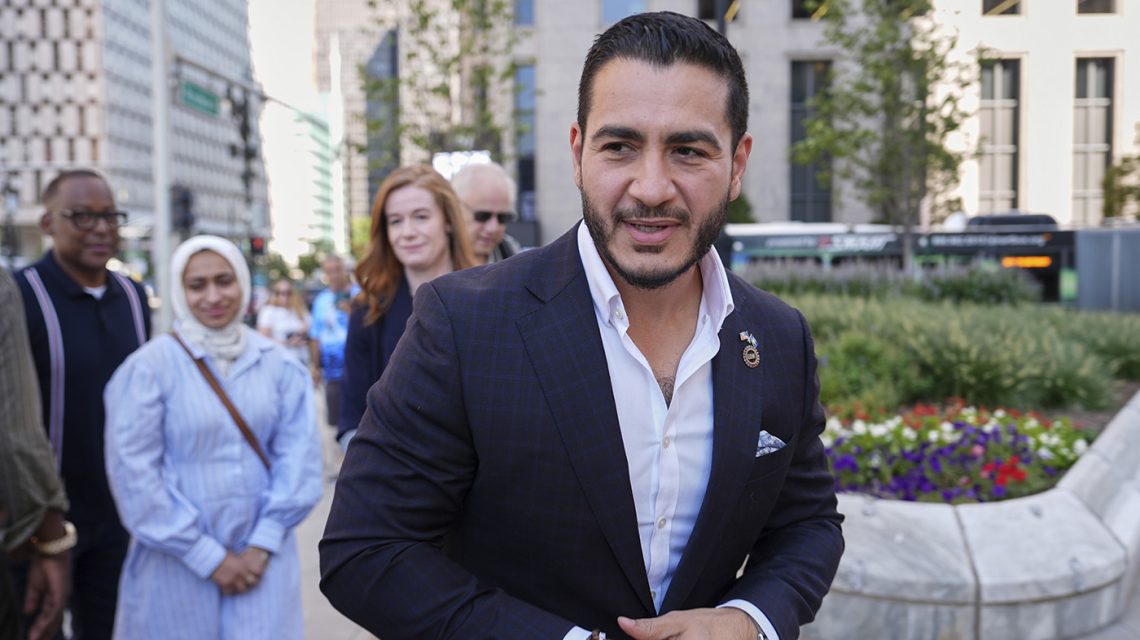
Abdul El-Sayed was recently seen at the Spirit of Detroit for a news conference. This follows his win in the Democratic nomination for the U.S. Senate in Michigan on August 5, 2026. El-Sayed’s appearance comes amid President Trump’s approval rating dropping to a historic low of 34%. While this seems like an opportunity for Democrats to reclaim Congress in November, the party’s leadership is embroiled in controversy.
Jonathan Cowan, head of the centrist Democratic group Third Way, announced a $15 million campaign aimed at countering ‘democratic socialism’. However, the term’s definition remains elusive, with figures like Dr. Abdul El-Sayed being inaccurately labeled despite not subscribing to democratic socialism. Critics suggest this focus detracts from addressing crucial economic policies supported by many Democratic voters.
A significant portion of the Democratic base now identifies with democratic socialism, making the centrist push against the party’s leftward movement unpopular. Third Way’s strategy involves targeting individuals rather than discussing the real issues at hand.
The Democratic Party’s future success depends on embracing democratic principles and aligning with voter priorities. Long-standing leaders like Sen. Chuck Schumer face challenges as progressive candidates gain traction despite financial disadvantages and aggressive attack ads. Figures such as Zohran Mamdani have maintained their stances amidst negative campaigns and have succeeded against established political figures like former New York Gov. Andrew Cuomo.
Missteps arise from viewing the political landscape as progressive versus centrist, ignoring the outsider versus establishment dynamic. Progressives prioritize core issues like affordability and employment, contrasting with centrist narratives focusing on unfounded conspiracy theories. Today’s progressives are addressing economic concerns in ways that resonate with voters across the spectrum.
David C. Barker of the Brookings Institution noted that progressive candidates are not perceived as radicals but as representatives who listen and engage with voters on key issues. Candidates like state Rep. James Talarico have gained popularity for similar reasons.
Attempts to portray candidates like El-Sayed as extremists often fall flat. Voter judgment hinges on maintaining a genuine connection with the working class, a task progressive candidates have managed more successfully than their established centrist counterparts. As Tressie McMillan Cottom emphasizes, listening and addressing voter concerns are crucial, contrasting with the centrist inclination to dismiss these issues.
Incremental changes often hinder centrists, fostering frustration among voters seeking immediate action. Despite accusations against progressives and democratic socialists for being detached from governance, it is the centrists caught in endless strategic delays. American voters demand action reflecting their values, a demand not met by centrist inaction.
 U.S. Military Expands Operations in Latin America
 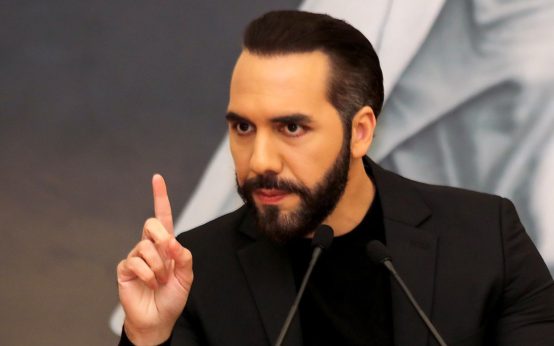 Salvadoran President’s Plan for Conditional Early Prisoner Release
 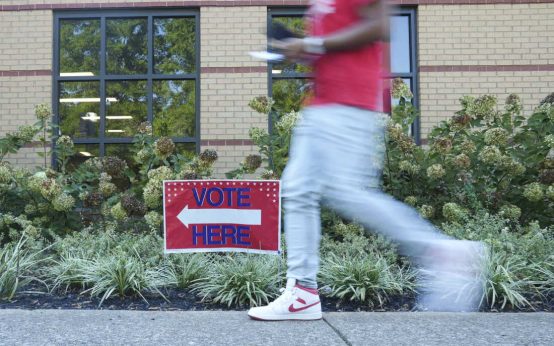 Voter Discontent with Trump Shapes Midterm Decisions
 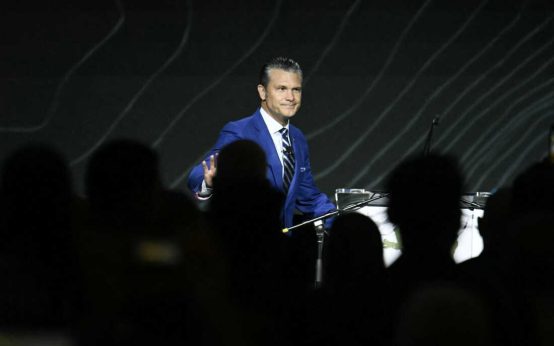 Concerns Over Public Execution Proposal and Christian Nationalism
  Federal Judge Orders Diversity Visa Program to Open
  Karoline Leavitt on Her Relationship with Trump and New Career Path