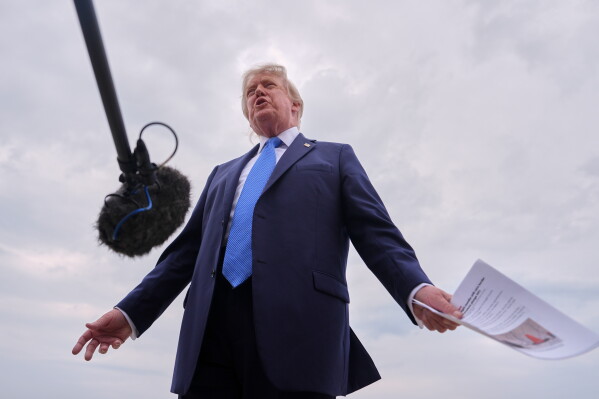
The administration of President Donald Trump is pushing the limits of U.S. aircraft carriers amid tensions with Iran. The USS George Washington is moving to the Middle East to replace the USS Abraham Lincoln, extending the Lincoln’s deployment. This situation reveals the strain on American sailors and concerns about the potential absence of a carrier in the Pacific, where China is becoming increasingly assertive.
Strategic Shifts and Regional Reactions
American allies in the Pacific express concern about the unpredictability of U.S. military strategy. Although the Trump administration positions the Pacific as key after the Western Hemisphere, actions suggest a focus elsewhere. China benefits from the distraction, viewing U.S. presence as a challenge to its ambitions, particularly regarding Taiwan.
Analysts like Bryan Clark of the Hudson Institute note that China may not invade Taiwan but will use the absence of U.S. carriers to assert dominance in the region. Recent Chinese military exercises with Indonesia, and shows of force near Japan and the Philippines, underline this concern.
Assuring Allies and Addressing Resource Limits
Admiral Frank Bradley is actively working to reassure U.S. allies, emphasizing enhanced military cooperation. However, experts like Evan Sankey from the Cato Institute highlight the psychological importance of carriers for regional security, arguing that U.S. involvement in the Middle East detracts from Pacific focus.
Current Use and Future Considerations
During his term, Trump has used aircraft carriers extensively in military engagements. For instance, the USS Gerald R. Ford completed a lengthy deployment, supporting operations against Iran and Venezuela. Yet, challenges like a fire on board and the extended deployment of the Lincoln emphasize the stress on personnel and resources.
Robert Farley from the University of Kentucky points out that the prolonged demands affect crew well-being. Additionally, Bryan Clark highlights that inadequate preparation for conflicts, like the Iran engagement, leads to operational strain, with potential maintenance bottlenecks looming.
Reevaluating Military Strategy
Michael Swaine from the Quincy Institute questions the future role of aircraft carriers due to modern warfare’s evolution. Adversaries such as China could target carriers more effectively with drones and missiles, potentially favoring smaller ships and submarines for strategic strikes. Adm. Daryl Caudle, the chief of naval operations, indicates a strategic shift towards utilizing varied naval assets over heavy reliance on carriers.
 Colombian President Urges Tariff Relief Post-Earthquake
  Hurricane Lala Intensifies, Threatens Hawaii with Heavy Rains and Flooding
 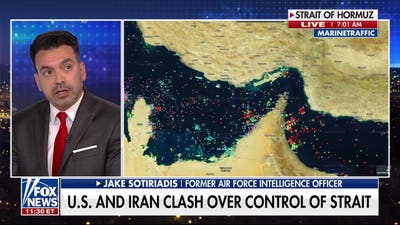 Trump Declares Control Over Strait of Hormuz as Experts Discuss Iran’s Economic Strain
  Cambridge Sociology Professor Jason Arday Found Deceased Amidst Plagiarism Controversy
 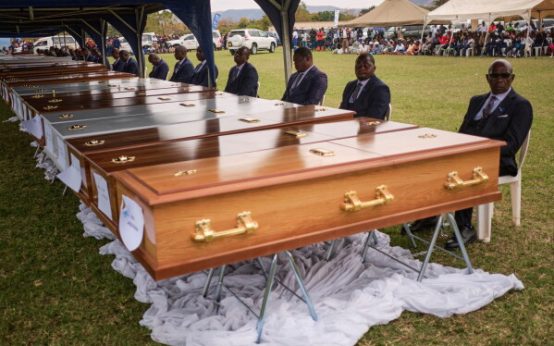 Venezuela Releases 131 Political Prisoners Amid Reconciliation Efforts
  The Complex Life and Controversies of Jason Arday