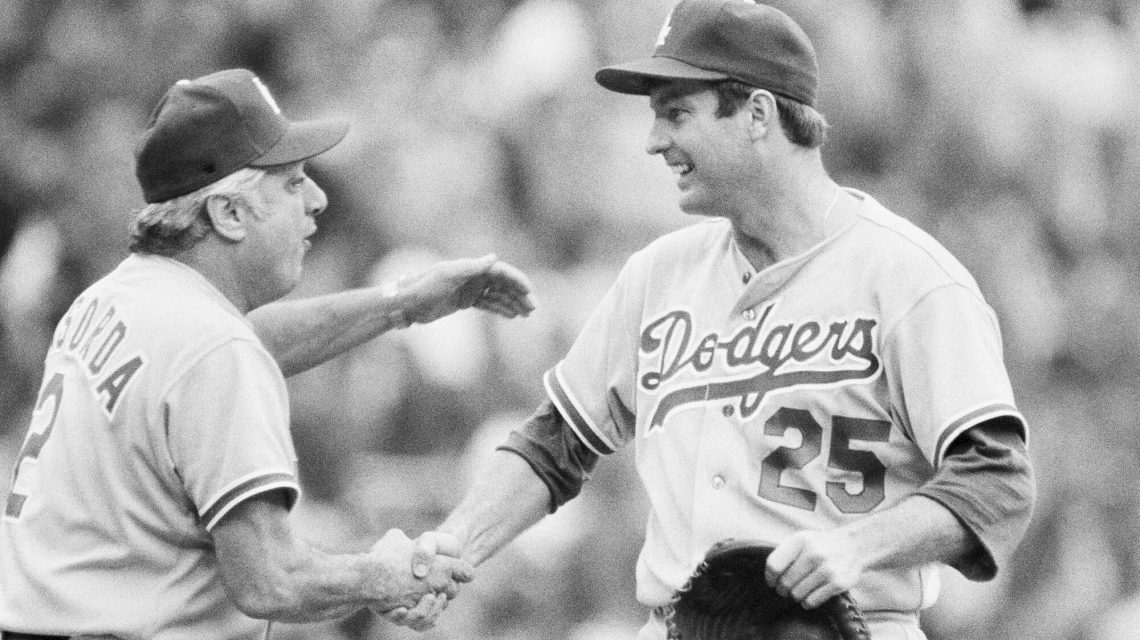
The annals of medical history include procedures like Belsey fundoplication, Heineke-Mikulicz pyloroplasty, and Keller’s excision arthroplasty. However, one surgery has transcended these terms to become a household name: Tommy John surgery. Officially known as ulnar collateral ligament reconstruction, it’s named after famed Dodgers pitcher Tommy John, whose personal challenge turned into a landmark medical breakthrough.
In 1974, Tommy John faced a dire situation after injuring a ligament in his left elbow. Back then, such an injury often marked the end of a pitcher’s career. But John’s story took a different turn. A bold surgery by Dr. Frank Jobe not only resurrected his career but saved hundreds of others, including baseball greats like Tom Candiotti, John Smoltz, and Shohei Ohtani.
Tommy John passed away recently at the age of 83, as confirmed by the Dodgers. He was celebrated as much for his pioneering bravery in the operating room as for his baseball stats. Dodgers President Stan Kasten honored him, saying, “Tommy was an exceptional pitcher and his role in pioneering this surgery is unmatched. His impact on baseball endures and will do so for generations.”
Before undergoing surgery, John had secured 124 wins over 12 seasons. Post-surgery, he added 164 more, ultimately achieving a 288-231 record with a 3.34 earned run average (ERA). John’s career highlights included his impressive stint with the Dodgers, securing an 87-42 record and a 2.97 ERA, which brought about consecutive World Series appearances.
The turning point came during the 1974 season. While pitching against the Montreal Expos, John suddenly experienced a sharp elbow pain. Until then, the cure for such ligament injuries didn’t exist. Dr. Jobe first recommended rest, but upon seeing no improvement, proposed an unconventional surgery based on a tendon grafting technique he had previously used on a polio patient.
“Do nothing and never pitch again, or try the surgery,” Dr. Jobe advised, giving him a 100-1 chance of success. John, with optimism, replied, “If you do your job, I’ll do mine.”
On September 25, 1974, Jobe replaced the damaged ligament with a tendon from John’s right arm. Despite complications requiring a second surgery, John embarked on a rigorous rehabilitation, even taping and throwing with numb fingers to regain function.
Astonishingly, John returned to baseball by 1976. In 1977, he achieved one of his best seasons, securing 20 wins and nearly snagging the National League Cy Young award. His success continued with the Yankees, where he amassed 21 wins in 1979 and 22 in 1980.
However, John is also remembered for a memorable moment in 1988 with the Yankees, where he committed three errors during a single play. Despite this, he played an influential role on and off the field. He later championed suicide prevention and voiced concerns about young pitchers and overuse injuries.
The surgery associated with John’s name is still practiced widely by orthopedic experts like Dr. Neal ElAttrache. Dr. Jobe’s humility led him to prefer the procedure focus on the patient’s story rather than his own achievements. Continuous innovation has kept the surgery relevant, aiding athletes like Ohtani in 2018 and 2023.
Tommy John is survived by his wife Cheryl and children Tommy, Travis, and Tamara. A private celebration of his life is planned in Florida.
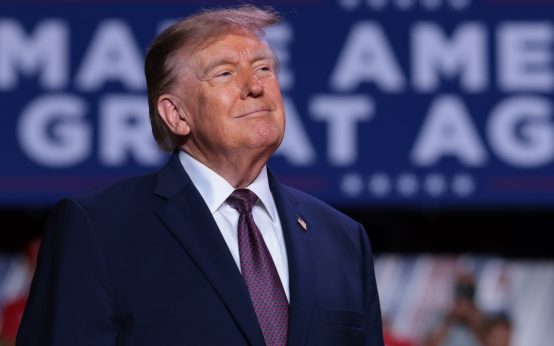 President Trump Announces $100 Checks for Seniors
 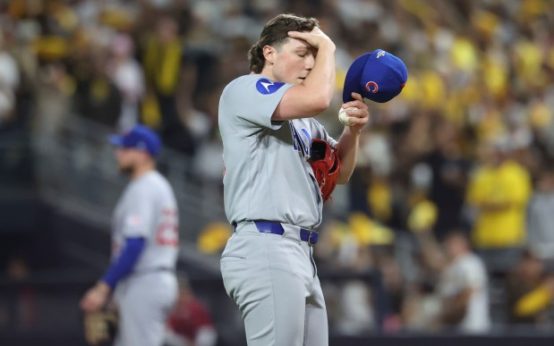 Cubs Face Season Challenges and Future Roster Concerns
 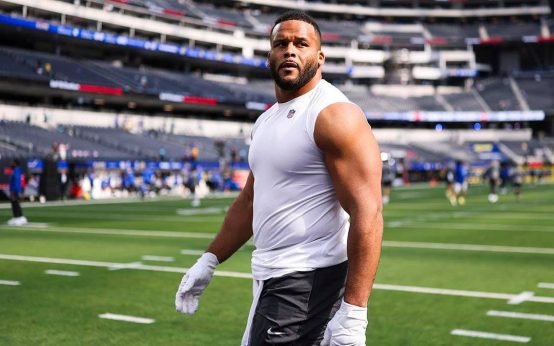 Assessing Aaron Donald’s Return and Rams’ Super Bowl Prospects
  TSA Discovers Smoke Grenade in New York Airport
  Cornell Fraternity Case Raises Questions on Consent and College Hookups
  Tennessee’s Successful ‘Happy Hour’ Promotion at Neyland Stadium