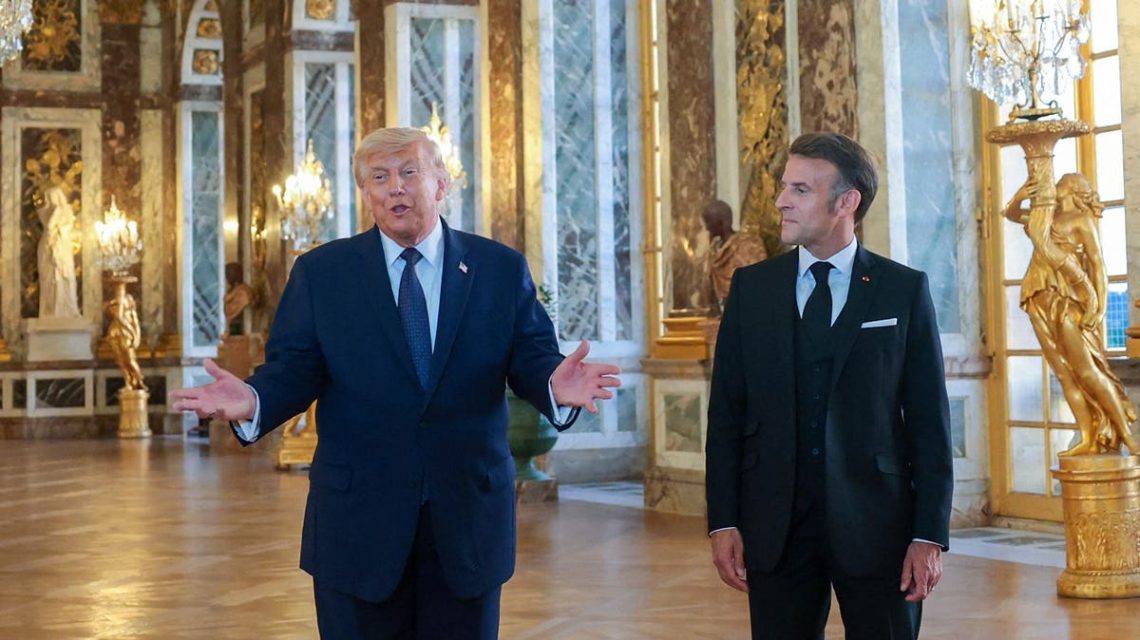
The preliminary 60-day negotiation phase between the United States and Iran under the memorandum of understanding (MOU) has come to an end. This marks a significant point for the agreement, initially signed to cease military activities and set the groundwork for a larger accord.
President Donald Trump formalized the MOU on June 17 at the Palace of Versailles during the G7. The memorandum stipulated a maximum of 60 days—extendable by mutual consent—to devise a conclusive agreement on various issues, including sanctions and Iran’s nuclear endeavors. Trump expressed no pressing time constraints, emphasizing flexibility in the timeline.
In a conversation with foreign correspondent Trey Yingst, Trump mentioned Iran should consider surrender, though he avoided setting a new deadline. He warned of decisive actions against Oman over any obstructions in the Strait of Hormuz negotiations, hinting at military options if necessary.
The negotiation period’s end coincided with recent hostilities. In July, Iran targeted ships in the Strait of Hormuz, prompting U.S. airstrikes. Iran’s counterattacks on U.S. bases and allies heightened tensions in the Gulf region.
The United States of America aims to assert control over the Strait of Hormuz post-conflict, declaring it as territory once hostilities subside.
The MOU’s text indicates that both nations, alongside their allies, agreed to cease all military operations, respecting national sovereignty and refraining from interference in each other’s domestic matters. A final deal is intended to confirm this long-term cessation of conflict.
Key points in the MOU include:
- The U.S. committed to lifting naval blockades and military proximity measures near Iran within 30 days following an agreement.
- Iran agreed to ensure commercial vessel safety in the region, engaging in talks with Oman on maritime administration.
- The U.S., with regional partners, pledged at least USD 300 billion for Iran’s reconstruction and economic progress, pending agreement.
- The lifting of U.N., IAEA, and U.S. sanctions was discussed, including Iran’s commitment to halt nuclear weapons development.
- Both sides acknowledged the importance of maintaining the status quo during ongoing discussions.
The MOU also covered financial mechanisms for the release of frozen Iranian assets, with mutual negotiation on fund management procedures.
Both nations agreed to establish an executive mechanism for overseeing MOU implementation and compliance verification of the final deal, which will be confirmed by a binding UNSC resolution.
Contributions to the negotiations and future plans remain a priority as the process moves forward, with both parties focused on addressing critical points of contention.
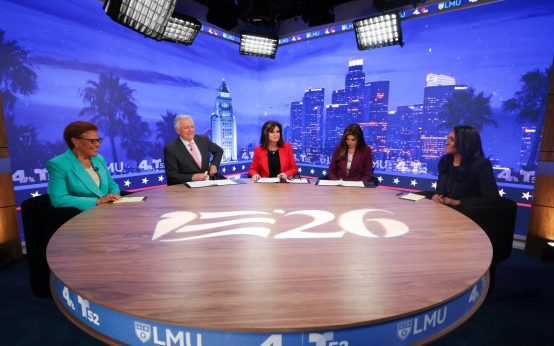 Analyzing the Final L.A. Mayoral Debate: Bass vs. Raman
 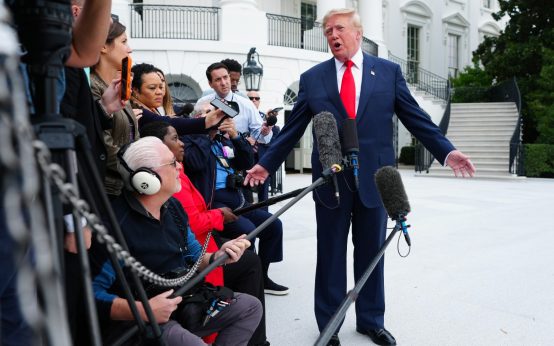 Judge Blocks Trump Administration’s Ban on Journalists
 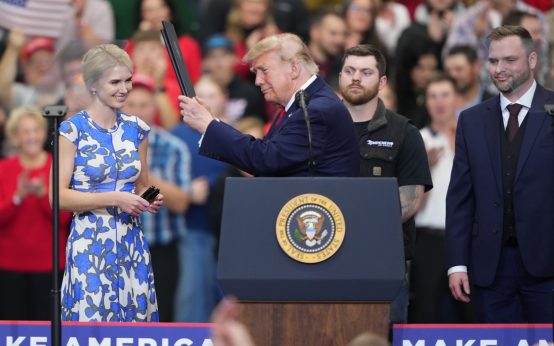 Trump Rallies in Alaska for Senator Sullivan and Bernadette Wilson
 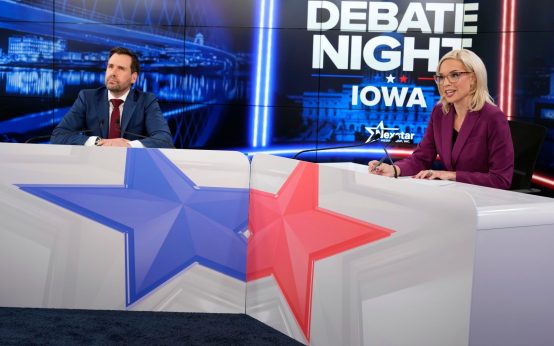 Iowa’s Senate Race Heats Up in Final Debate
 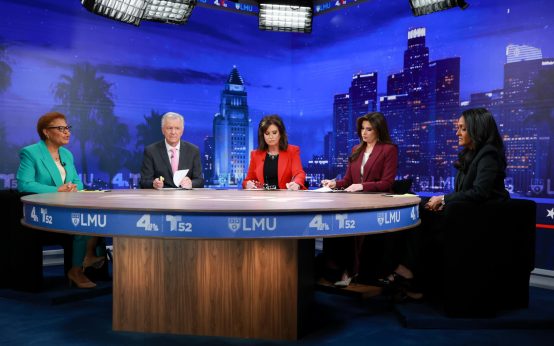 Bass and Raman Debate Key Issues in Mayoral Race
  Bass and Raman Clash in Mayoral Debate