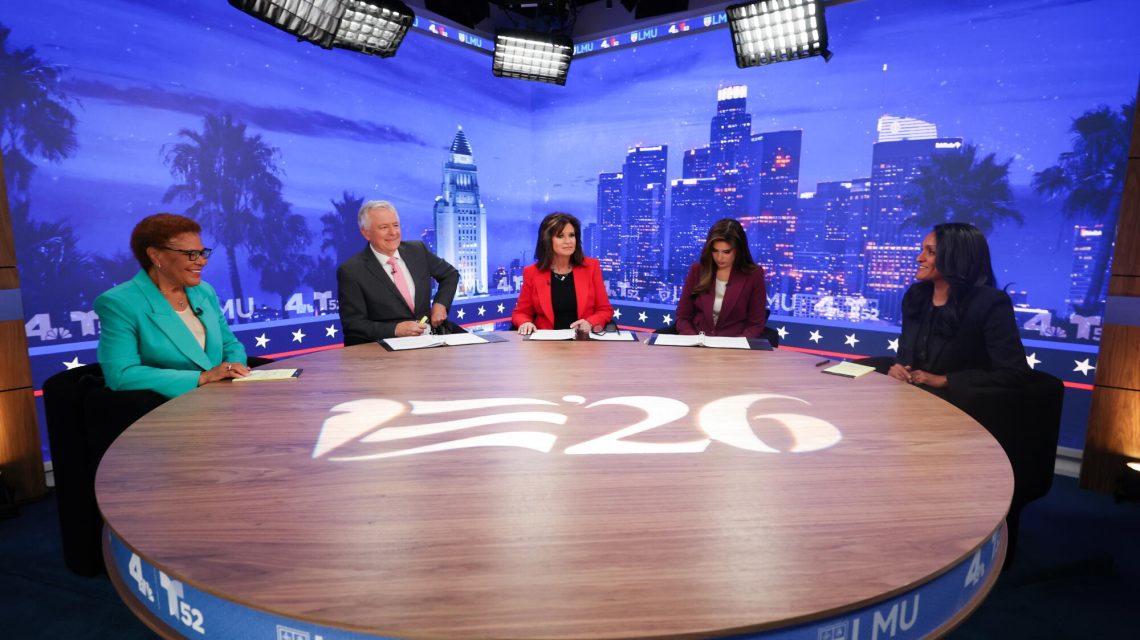
Los Angeles witnessed a heated debate between Mayor Karen Bass and City Councilmember Nithya Raman on Tuesday night, hosted by NBC4 and Telemundo52. This encounter marked the final head-to-head before the upcoming Nov. 3 election, with both candidates vying for the role of mayor. Throughout the debate, the contenders engaged in vigorous discussions on pivotal issues such as public safety, homelessness, immigration policy, and the future of the film industry.
Public Safety and Police Leadership
A considerable portion of the debate was dedicated to public safety. Bass argued that Raman’s stance appeared inconsistent, labeling her views as extreme. Raman rebutted this by portraying Bass as absent and ineffective, claiming that Los Angeles could not endure another term of mismanagement. The fate of Police Chief Jim McDonnell also stirred debate, with Bass defending her choice, while Raman expressed disapproval, highlighting the increased police shootings under his tenure.
Homelessness and Housing Policies
Homelessness remains a core issue, dominating the discourse between Bass and Raman. Bass emphasized her broader public service record, mentioning her initiatives against the rising homelessness crisis. Contrarily, Raman highlighted the inadequacy in addressing homelessness, criticizing Bass’s efforts as insufficient. She promoted a urgent need for systemic reform within the city’s handling of homelessness, advocating for measures like expanded shelter space and better-coordinated enforcement.
Debate on Housing and Urban Development
The discussion on urban development touched upon the controversial Measure ULA, or the “mansion tax.” Bass and Raman both recognized its negative impact on apartment development. Raman, who once supported the tax, called for subsequent exemptions to alleviate its ramifications. Bass highlighted her proposal to reduce taxes on apartment projects, yet admitted to retracting the proposal before it garnered legislative backing.
Immigration Policies and Advocacy
Another focal point was immigration policy, where the exclusion of funding for the Represent LA program in Bass’s budget proposal came under scrutiny. Bass justified this by suggesting alternative funding through philanthropy. Conversely, Raman underscored the mistrust among immigrant communities, pledging to protect immigrants’ rights and advocate for policies that counteract ICE’s impact in Los Angeles.
Tackling Fire Safety Concerns
Fire safety, particularly lessons from recent wildfires, was also at the forefront. Bass apologized for being absent during the Palisades fire and outlined preparations for future incidents. Both candidates supported a tax increase to fund upgrades for the fire department, stressing the necessity for more resources and updated equipment.
Economic Measures and the Film Industry
In regards to economic development, both Bass and Raman proposed strategies to retain film industry jobs amid growing outsourcing trends. Bass spoke about appointing a film czar to ease filming processes, whereas Raman advocated for ending tax credit caps to localize film production incentives.
Final Reflections
In their final remarks, both candidates firmly presented their visions for Los Angeles. Raman painted Bass as a mayor absent at critical times, whereas Bass promoted her extensive background and public service record. The debate set the stage for the November elections, underscoring the choice between continuity under Bass or a change in leadership with Raman.
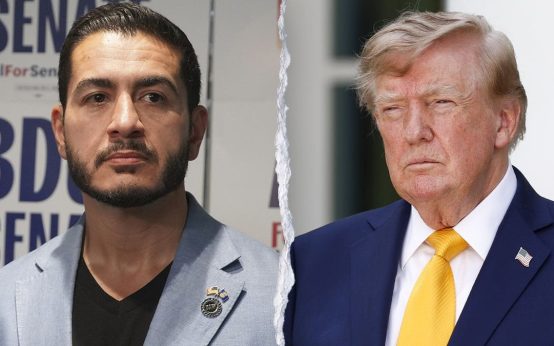 Trump Criticizes Michigan Senate Candidate Abdul El-Sayed
  Historic Preservation Advocates Battle Changes Threatening Landmark Protections
  Congressional Investments in AI Amid Regulatory Inaction
  Opinion Polls and Their Limitations
  Shared Fear of Mass Shootings and Its Impact on Policy Views
 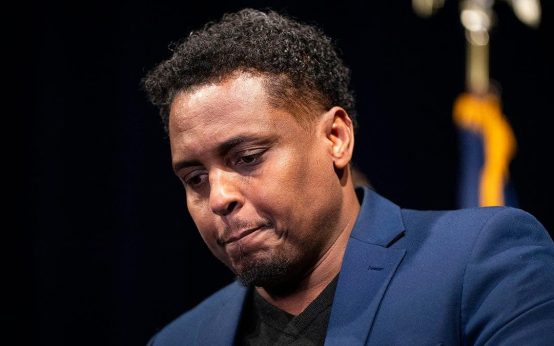 Somali Community Responds to Federal Raid on Rep. Ilhan Omar’s Residence