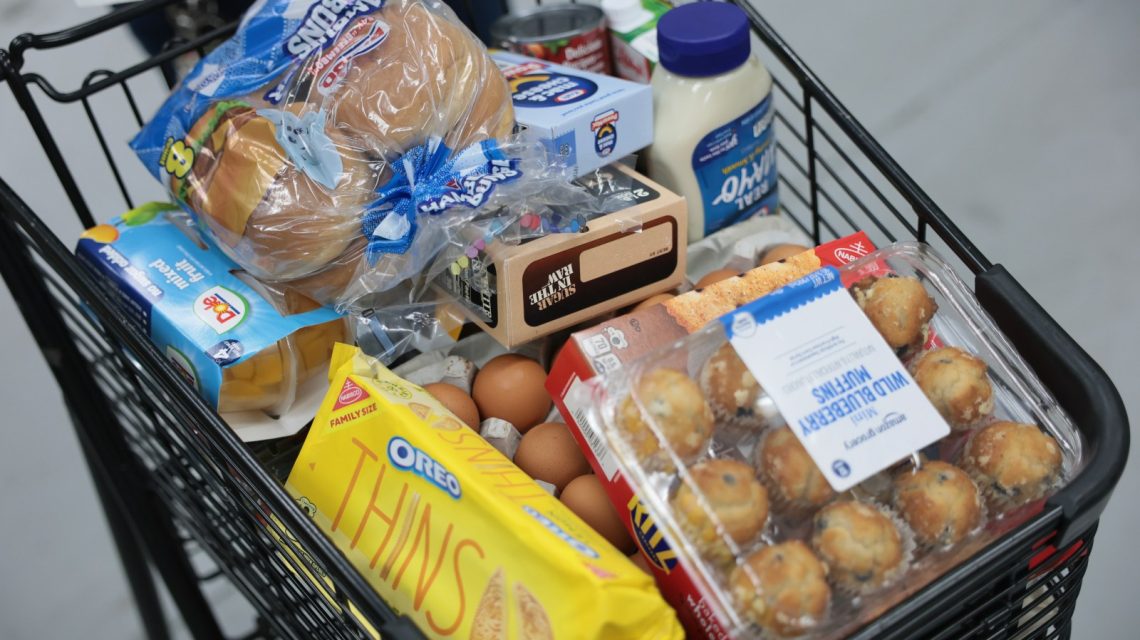
As living expenses rise in the U.S., a recent study reveals that grocery shoppers in numerous states are paying over 50% more for a similar basket of items when shopping at expensive supermarkets compared to the least expensive options.
An analysis from Freedom Debt Relief highlights Aldi as the most affordable grocery store, recognized in 32 states. Conversely, Whole Foods emerges as the costliest major grocery retailer across 44 states, pushing shoppers to spend about 52% more than they would at cheaper alternatives.
The Most Affordable Grocery Stores in Each State
To pinpoint the cheapest and costliest major grocery chains per state, Freedom Debt Relief utilized Consumer Reports’ 2026 grocery price comparison. These compared retailer prices against Walmart using a basket of common groceries as a measure. Aldi consistently ranked as the least expensive in numerous states including Alabama, California, Florida, Illinois, and Texas.
Lidl surfaced as the lowest-priced option in states such as Georgia and New York. Meanwhile, Walmart served as the cheapest choice in Alaska, Colorado, and Hawaii. WinCo dominated in states like Idaho and Washington.
The Least Affordable Grocery Stores in Each State
Whole Foods was identified as the most expensive in states like California, Florida, and Texas. Other expensive chains include Safeway in Alaska and South Dakota, as well as Trader Joe’s in Delaware.
A study revealed shoppers at Whole Foods in New York spend 52.7% more than at Lidl, while those in Washington save 44.5% shopping at WinCo compared to Whole Foods. Factors such as private-label products and leaner operations contribute to the affordability of stores like Aldi and Lidl.
Impact of Inflation
A Marquette University Law School poll indicates inflation and cost of living as top concerns for 35% of Americans. Approximately 80% noticed rising grocery and petrol prices, and 69% anticipate further inflation within the next year.
In response, major grocery chains are competing to offer better prices. Walmart extended its ‘rollback’ program. Retailers such as Giant Eagle, Sam’s Club, and Target have announced significant price cuts on staples. Giant Eagle has decreased prices by over 10% on more than 300 items.
Retail Responses and Political Implications
As competition for budget-conscious consumers increases, retailers turn to loyalty programs, digital coupons, and specific promotions. Offers through apps, member-exclusive savings, and reward systems are becoming standard as households scrutinize prices.
The White House praised these efforts, noting private sector responses to reduce everyday costs. While only some chains credited the administration, it forms part of a broader political narrative where the cost of living is a pivotal voting issue.
For questions regarding this story, reach out to Newsweek editors Ben Kelly and James Debens.
 Save Big on Halloween Candy for Trick-or-Treaters
  A Look Into Sports, Pop Culture, and Reader Interactions
  Maxwell House K-Cup Deal Brings Cost Savings and Flavor
  Taamiya: Egypt’s Breakfast Delight
  Creative Ways to Celebrate the Fall
 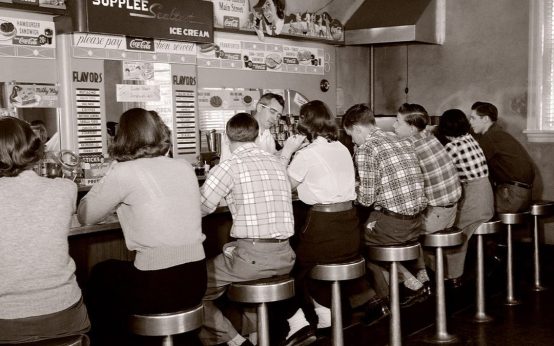 Nostalgic Ice Cream Flavors Evoke Sweet Memories