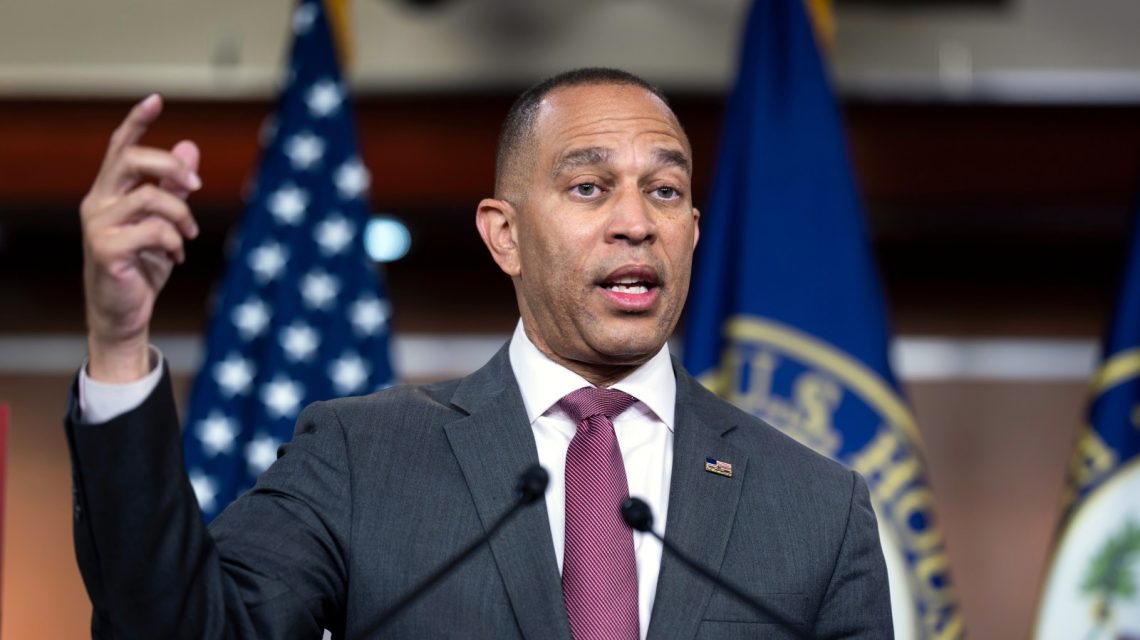
House Minority Leader Hakeem Jeffries has stirred debate in the Democratic Party by expressing his current lack of support for Medicare for All legislation. Previously, Jeffries co-sponsored versions of the proposal, but his views have shifted. During NBC’s Meet the Press, Jeffries stated, “I haven’t co-sponsored the Medicare for All legislation that has been introduced over the last several years.” He highlighted the need to address and improve the current healthcare system.
Public opinion shows strong support for expanding the government’s role in healthcare. Recent surveys indicate a majority of Americans believe the federal government should ensure access to health insurance. Support for a single-payer system is significantly higher now than a decade ago.
Why Jeffries’ Comments Matter
Jeffries’ remarks highlight a divide within the Democratic Party regarding universal health coverage. Progressives like Senator Bernie Sanders and Representative Ro Khanna advocate for Medicare for All as a priority. Conversely, moderates like Jeffries focus on lowering costs and reinforcing programs like the Affordable Care Act. This stance aims to avoid replacing the current system with a government-run model.
Healthcare costs remain a concern for many Americans. A survey by The Century Foundation revealed that 53% of voters have reduced care or taken on debt due to these costs.
Understanding Medicare for All
Medicare for All represents a single-payer healthcare system providing government-funded insurance to all Americans. Proposals, such as those by Sanders, generally aim to:
- Cover all U.S. residents
- Replace most private insurance plans
- Eliminate premiums, deductibles, and co-pays
- Include services like dental, vision, and hearing care
- Finance through new taxes and federal spending
Critics argue the plan necessitates enormous federal expenditure and increased taxes. Elimination of private insurance options and potential quality concerns are additional criticisms.
Public Opinion on Government Involvement
Polls reflect broad support for government involvement in health coverage. A 2025 poll by Data for Progress found 65% backing Medicare for All when described as national health insurance. Support was evident across party lines, remaining above 60% even when higher taxes were mentioned.
Tensions may arise if Democrats appear to defend the current system amid a significant demand for reform. While Medicare for All could be one solution, the enduring costs of premiums and medical bills continue to pressure many Americans.
Frustrations with the Current System
Medicare for All’s appeal partly stems from growing concerns over healthcare affordability. A KFF report noted nearly half of adults struggle with costs, with a third delaying or skipping essential care. Around 41% of adults reported healthcare-related debt.
Gallup’s research showed that healthcare costs affect job decisions, with one-quarter of workers staying in roles for insurance benefits. More than half report difficulties affording care and prescriptions.
Some Democrats, fearing large-scale change, emphasize the potential political and financial challenges of replacing private insurance systems.
Looking Ahead
Despite Jeffries’ stance, progressive Democrats will persist in advocating for Medicare for All as costs rise. Moderates will continue strengthening existing legislation. While sweeping reform is unlikely soon, elements of Medicare for All may be used to relieve financial burdens on families.
 Trump Highlights Ravens During Industrial Site Visit
  Collins vs. Jackson: Maine Senate Debate Highlights
  Sen. John Curtis Calls for Hearings Involving Donald Trump Jr. and Hunter Biden
  Understanding Immigration and Identity in California Politics
  Republican Steve Hilton’s Unconventional Campaign for California Governor
  Race for Kane County Board District 3: Candidates Address Key Issues