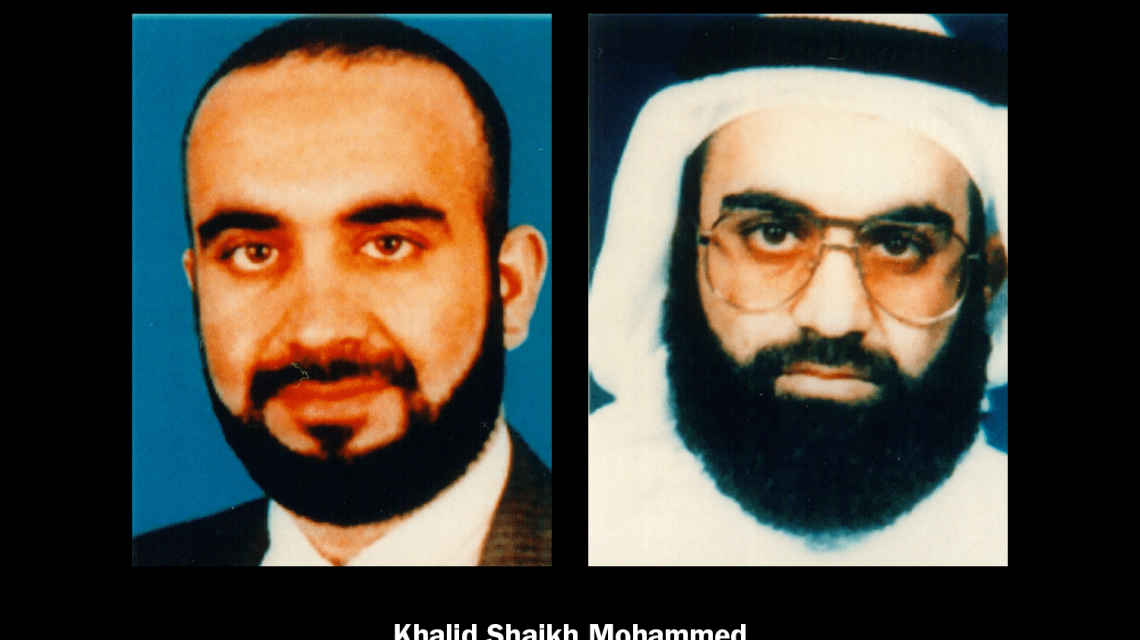
In 1999, al-Qaeda assigned the Hamburg group the task of planning a coordinated attack on the United States. The objective included hitting a military, financial, and political target. Initially, these targets were identified as the White House, the Pentagon, and the World Trade Center.
Mohammed Atta and Ramzi bin al-Shibh engaged in conversations to finalize the attack targets on August 19, 2001. Bin al-Shibh later revealed during interrogations that they spoke in a coded language, referring to the World Trade Center as ‘architecture,’ the Pentagon as ‘arts,’ the Capitol building as ‘law,’ and the White House as ‘politics.’
Decisions surrounding the final targets ultimately rested with Atta, taking into account the conditions they faced. Despite Osama bin Laden’s preference for including the U.S. Capitol, Atta believed the White House was the least feasible target due to its size and surrounding structures, such as the Treasury Department.
According to Khalid Sheikh Mohammed and FBI agents who reconstructed the 9/11 events, Atta and Marwan al-Shehhi chose to attack both World Trade Center towers simultaneously, delaying strikes on Washington targets. Hani Hanjour would target the Pentagon, leaving from Dulles International Airport, while Ziad Jarrah would aim for the Capitol dome, departing from Newark.
The impact of striking both Trade Center towers was crucial to their collapse. Engineers have posited that a single hit may not have resulted in such destruction, evident from the collapse of the nearby 7 World Trade Center due to heat and debris. Therefore, deviating from al-Qaeda’s plan significantly influenced the attack’s outcome.
If the White House had been struck, its destruction could have led to significant leadership upheaval. The implications of such an event, like losing Vice President Dick Cheney or President George W. Bush’s inability to return to a central location, would have altered the geopolitical landscape considerably.
Understanding the divergences between al-Qaeda’s intentions and the actual attack underscores the importance of strategic decisions made by the attackers. These choices not only affected immediate results but also shaped subsequent global developments.
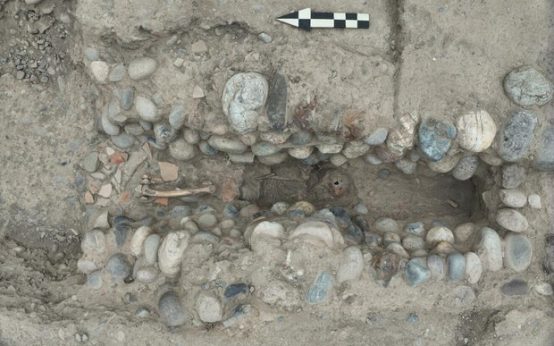 Skeletal Remains Found Near Huaca Pucllana Shed Light on Ancient Rituals
 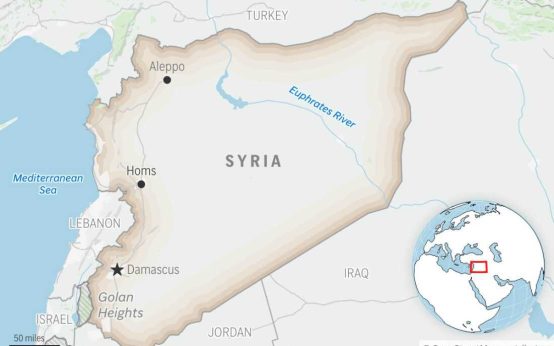 Israel’s Airstrikes on Syrian Base Intensify Regional Tensions
 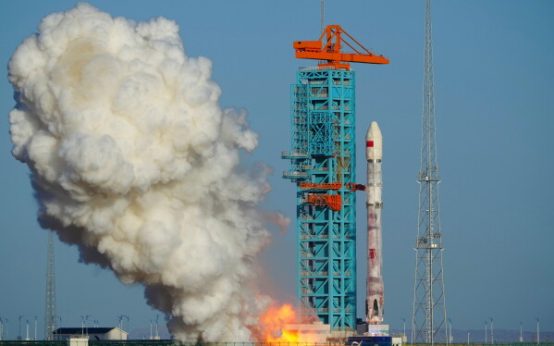 Ukrainian Citizen Convicted of Espionage in Germany
  Last-Minute Agreement Avoids New Tariffs on Canadian Goods
  Strategic Moves in Asia Reflect U.S. Confusion
  Tupac Shakur Murder Trial: Evaluating Key Evidence