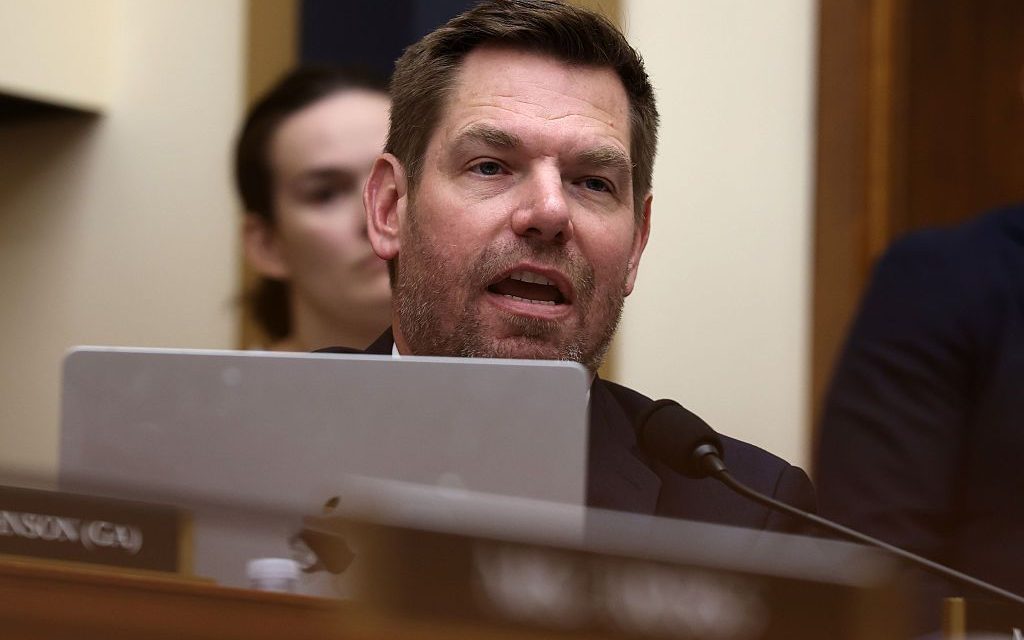
Federal Raids on Eric Swalwell
Federal agents conducted consecutive searches on former Democratic Representative Eric Swalwell. The searches began at San Francisco International Airport, where his electronics were seized, and continued with a raid on his home in Washington, D.C. These actions are part of a federal probe into sexual assault allegations against the former congressman.
Escalation of Investigations
This development marks a significant turn in the criminal investigations following several public accusations against Swalwell. Already under investigation in Manhattan and Los Angeles, he now faces increased scrutiny as federal agents gather potential evidence that could determine the case’s direction.
According to sources close to the investigation, agents confiscated numerous electronic devices over a two-day operation. CNN reported that three women accusing Swalwell of sexual misconduct have spoken with the FBI. Requests for comment have been made to Swalwell, his attorney, and the FBI.
Airport Confrontation and Device Seizure
Federal agents approached Swalwell at San Francisco International Airport shortly after his arrival. They served him with a search warrant and confiscated his cellphone and other electronics. A New York Post source described the encounter as direct but non-confrontational, with Swalwell cooperating fully. The Daily Mail initially reported on the airport operation, highlighting the aggressive steps taken by investigators to secure potential digital evidence.
The choice to seize electronics at an airport, instead of during an interview or scheduled home search, indicates investigators believed the devices contained urgent, transportable evidence. Digital materials are crucial in investigations of this nature, especially if they involve communication, images, or recordings.
Items Seized from Swalwell
Reports confirm agents seized various electronic devices. Although the warrants are sealed, outlets have confirmed the items below:
- Cellphone
- Multiple laptops
- Tablets and personal electronics
- USB drives and external storage
- Additional digital media from his D.C. home
The scope of confiscated items suggests an examination of both personal and professional communications. Devices will undergo forensic analysis capable of recovering deleted files, metadata, location history, and encrypted communications. Such evidence is often central in sexual assault cases, particularly if digital contact or documentation is involved.
This is a breaking news story. Further updates are forthcoming.