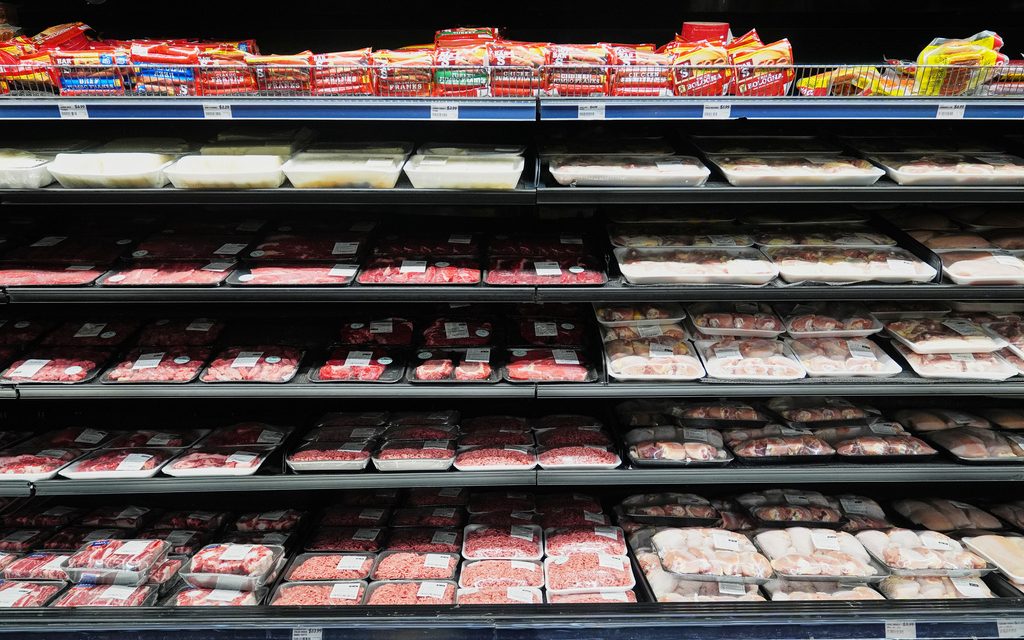
Meat and poultry covered by the USDA Supplemental Nutrition Assistance Program (SNAP) are displayed in Baltimore. SNAP is an essential lifeline feeding millions of Americans, but reasonable standards on purchases are necessary to ensure the program fulfills its mission.
Federal policy should prevent SNAP dollars from buying junk food, candy, and sugary beverages. Critics argue that SNAP recipients should enjoy the same purchasing freedom as other grocery customers. However, SNAP is not a neutral cash benefit. It aims to improve food security and health outcomes, funded by taxpayers. Establishing clear boundaries on SNAP purchases encourages healthier habits and meets its mandate.
In south Texas, obesity and diabetes are serious issues, worsening over time and affecting individuals, families, and communities. These health problems strain our healthcare system. Addressing public health concerns demands confronting hard truths and enacting meaningful policy.
Ultra-processed foods and sugary drinks contribute to metabolic diseases like obesity and diabetes. When SNAP benefits fund products with no nutritional value, we miss promoting wellness. Low-income families often lack the means to buy adequate fruits, vegetables, lean proteins, and whole grains.
Texas took action with the SNAP Food Restriction Waiver in April 2026, seeking to limit sweetened beverage and candy purchases. This aimed to encourage better choices and promote long-term health. Unfortunately, a federal court ruled against states imposing SNAP purchase restrictions, citing Congress’s intention for incentive-based strategies to encourage healthier eating.
The logic of treating non-nutritious items as equivalent to fruits, vegetables, whole grains, and lean proteins within SNAP is flawed. Excessive consumption of unhealthy foods has known health consequences.
Moises Arjona, Jr., CEO of Unidos Contra La Diabetes, shares his personal experience. He recounts how his family depended on SNAP in the 1980s, purchasing chips, soda, and sugary treats due to lacking nutritional awareness. This experience highlights the need to prioritize health in safety-net programs.
Despite setbacks, Texas aims to improve food choices and nutrition. However, eliminating SNAP-Ed programs, which provided nutrition and obesity prevention education, sends the wrong message amid rising diabetes rates.
Diabetes continues to surge in the Rio Grande Valley. Effective SNAP standards can ensure benefits purchase nourishing food, reducing healthcare strain and promoting long-term health.
 Musicians in Austin Find Healthcare Support Through Local Nonprofit
  Illinois Work Requirement for Medicaid Expansion Raises Concerns
  Xavier Becerra and California’s Healthcare Challenges
  Tick-Borne Diseases in Martha’s Vineyard
  Piazza Family Advocates for Accountability in Greek System
  The Jason Arday Scandal and Its Implications