In November, the Department of Health and Human Services announced the removal of “black box” warnings on hormone replacement therapies, aiming to counter decades of stigma around treatments for menopause symptoms. Alicia Jackson, a federal health agency director investing taxpayer money in medical technology and research, praised the policy. She stated, “Hormone therapy is safe and effective,” emphasizing its benefits for most women.
Jackson is the founder of Evernow, a platform connecting women with menopause experts. Despite leaving for federal service, she retained at least $115,000 in Evernow stock. This raises questions about potential conflicts of interest as she oversees the Advanced Research Projects Agency for Health (ARPA-H).
The Food and Drug Administration had recommended ending the warning months before Jackson’s government role. However, ethics experts expressed concerns about Jackson’s endorsement, as federal law restricts government employees from participating in matters affecting their finances.
Virginia Canter, a former ethics lawyer, highlighted Jackson’s potential violation due to her company profiting from a policy she endorsed. After the policy change, Evernow expanded nationally. Despite submitting financial disclosures, Jackson’s records remain uncertified, prompting potential investigation.
ProPublica sought comments from Jackson and feedback on her work and financial records. Although she did not respond directly, HHS confirmed she’s on administrative leave pending further assessment.
Bloomberg Law revealed a draft waiver permitting Jackson’s involvement in decisions affecting numerous investments, excluding Evernow. Jackson’s disclosures include investments in Gameto Inc., benefiting her financially after joining ARPA-H.
Jackson owns over 60 funds managed by her husband’s firm, 137 Ventures, potentially posing conflicts if receiving grants from her agency. Despite the risks, she retained these funds.
Kedric Payne from Campaign Legal Center criticized Jackson’s lack of disclosure concerning her husband and funds, suggesting hidden conflicts.
Her husband’s significant stock holdings in companies like Palantir Technologies, which received contracts from ARPA-H, further complicate the ethical landscape. HHS remains unresponsive to inquiries about Jackson’s recusal and ethics agreement.
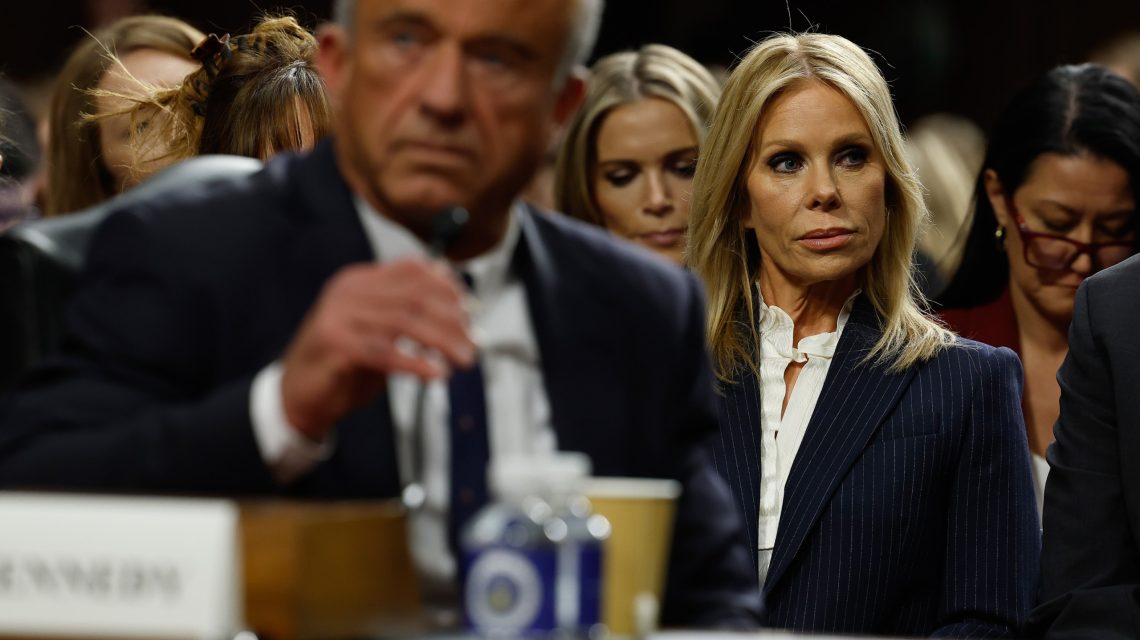
ProPublica’s database, Trump Team Financials, offers insight into potential conflicts of interest across the administration. Health Secretary Robert F. Kennedy Jr. faces scrutiny for allegedly benefiting his wife’s media company via nonprofit associations.
Despite HHS denials, the Campaign Legal Center reported significant reductions in agency ethics staff. Questions also arise about top attorney Mike Stuart’s investments affecting his department’s dealings. Stuart claimed innocence and compliance upon concerns from ethics officials.
ProPublica’s disclosures indicate potential conflicts at high governmental levels, including cryptocurrency interests influencing related industry regulations. Other officials have faced accusations of market timing to avoid financial losses on impending governmental announcements.
The database aids news organizations in revealing further conflicts, such as Defense Department decisions favoring companies where officials have stakes.
 Midterm Elections and Immigration Issues Dominate Headlines
 Melania Trump’s Efforts in Ukraine’s Ceasefire: Implications and Prospects
 The Challenges of a Narrow Democratic Majority in Congress
 Impact of Rising Cannabis Use on Families and Children
 Debate Over Data Centers in Arizona Sparks Health Concerns and Political Divisions
 Corporate Influence in Politics: Voters Must Act