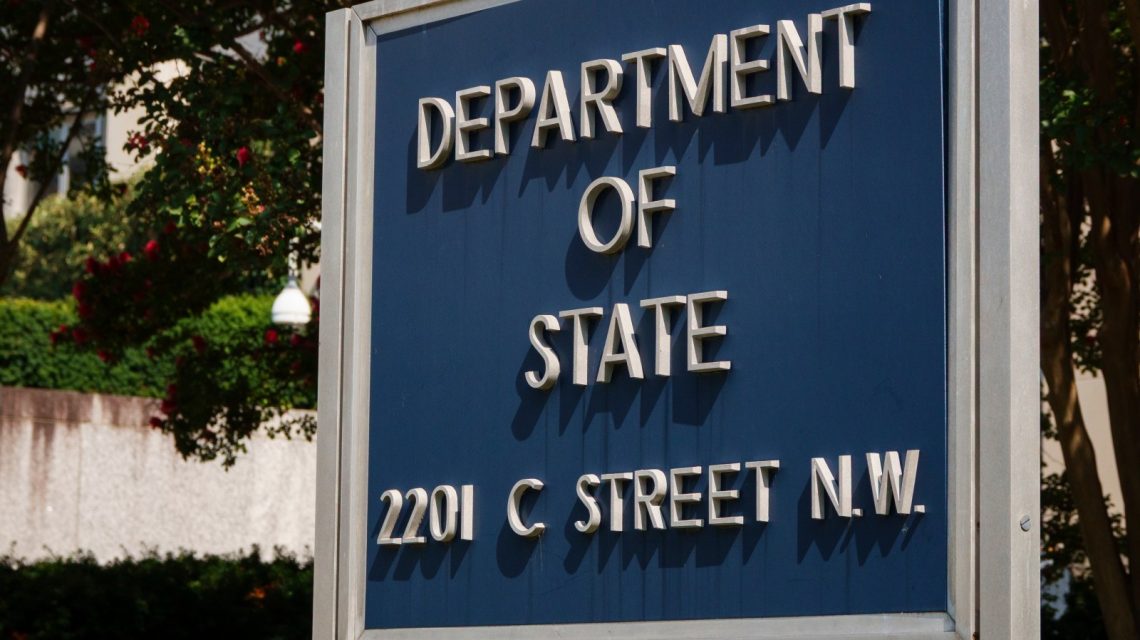
The Trump administration plans to revoke the visas of roughly 200,000 immigrants who entered the United States on temporary visas and then sought asylum. State Department documents and officials indicate that those who arrived on B1 and B2 visas for tourism or business are likely to be affected.
This initiative could become the largest visa revocation program in U.S. history, aligning with President Donald Trump’s commitment to deport more immigrants who are either illegally in the U.S. or have overstayed their visas. The Department of Homeland Security (DHS) is working with the State Department on this plan, though DHS has referred inquiries to the State Department.
Under President Trump and Secretary [of State Marco] Rubio’s leadership, we are making clear that a visa is a privilege — not a right,Tommy Pigott, State Department spokesperson, told Newsweek.
The coordination with DHS aims to revoke nonimmigrant visas for foreigners who claimed to be short-term visitors but filed for asylum to stay permanently.
What Are B-1 and B-2 Visas?
The B-1 and B-2 visas, central to this plan, are common U.S. travel documents. B-1 visas cater to short-term business visitors attending meetings, conferences, or negotiations. B-2 visas are for tourism, family visits, and medical treatment.
Often, applicants receive a combined B-1/B-2 visa. These are nonimmigrant visas, expecting holders to visit temporarily and return home, without providing a direct pathway to permanent residency or employment authorization.
These types of visas are issued with the clear understanding that they are for those who intend to return home. Obtaining a visa in order to seek asylum is fraud—which is grounds for visa revocation,Piggott said.
The State Department is prepared to revoke B-1 and B-2 visas granted from 2016 to 2026 to individuals who have sought asylum. If implemented, this could impact up to 200,000 people, marking the largest single mass visa revocation in U.S. history.
Significance of the Move
Immigration advocates and legal experts may challenge this move. U.S. law permits physically present individuals to seek asylum, regardless of entry method, if they meet statutory requirements and aren’t barred from protection. This could lead to a significant legal battle over the administration’s authority to shape immigration policy through visa restrictions.
Does Seeking Asylum Indicate Visa Fraud?
A key issue in this debate is whether applying for asylum after arriving on a visitor visa should imply that the visa was obtained fraudulently. The administration claims that some asylum claims serve to bypass normal immigration procedures.
Deputy Secretary of State Christopher Landau remarked that both U.S. citizens and people globally are frustrated with what he called bogus asylum claims, labeling asylum as a loophole exploited by migrants.
Immigration attorneys argue that conditions can change after entering the U.S. Legally entered individuals might encounter circumstances that lead them to seek protection later. Federal law allows eligible asylum applicants to seek refuge post-entry, with immigration courts deciding claim validity.
The administration’s proposal raises a long-standing dispute over the weight of intent when a visa was issued versus post-arrival circumstances.
 Video Misrepresentation of Kamala Harris’ Speech
  Trump Boosts Graham’s Campaign with Major Financial Support
  Latest Political Developments: South Carolina Senate Runoff and Key Meetings
  Avenal Officials Ordered to Vacate After Recall
  Michigan Senate Candidate El-Sayed Distances from Hasan Piker Amid Controversy
  Dispute Over Recount Payment in Minnesota Republican Primary