Survivors Return Amid Safety Concerns
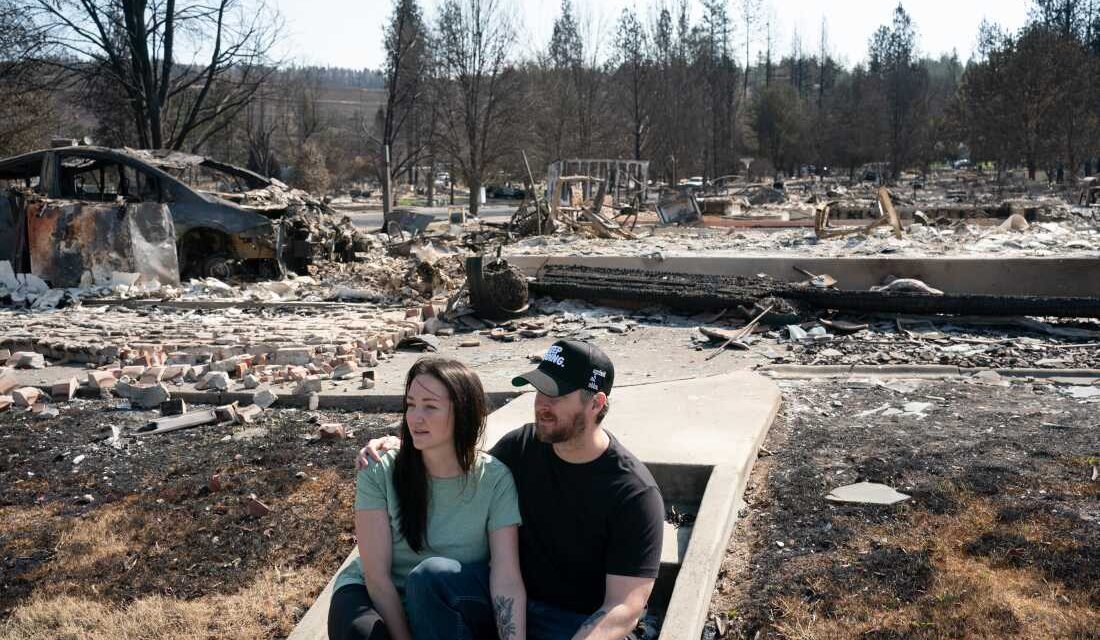
Melissa and Christopher Matthews stand before what remains of their home in Spokane, a tangible reminder of the Spokane Complex fires that destroyed over 900 structures. Just weeks after these fires, many evacuees have returned, surrounded by uncertainty regarding safety. Sarah Nuss, Spokane’s emergency management director, acknowledges the difficulties, highlighting concerns about hazardous materials among the ruin.
Wildfire recovery is often prolonged, beginning with clearing hazardous debris. This stage can involve lithium ion batteries, lead-painted sidings, exploded propane tanks, and other risks. The Environmental Protection Agency has arrived to start the debris removal, a process likely to last months, perhaps years.
Nuss states the city’s priority is educating residents about potential dangers. While the city cannot legally bar residents from returning, they strive to identify and document risks faced by returning homeowners.
Personal Stories Reflect Loss and Resilience
The Old Trails Fire, sparked during extreme heat and wind events, devastated entire neighborhoods. Suspected arson led to fires that jumped the Spokane River. Melissa and Chris Matthews lost nearly everything. Their thirty-year-old home lies in rubble, with their Prius reduced to twisted metal. Having filed insurance claims, their hopes for rebuilding are distant.
Chris Matthews shares his daunting expectations for the recovery process, anticipating a 3-4 year wait. Historical data from other wildfire recoveries, like the Camp Fire in Paradise, supports this view. Cleanup often reveals further public health risks as residents return.
Near the Matthews’ property, officials in hazmat suits continue cleanup operations. Facing the debris, the couple mourns their loss, aided by donations of protective gear from community members. Wind disturbing dust and odors threatens Chris, causing a persistent sore throat.
Providing Recovery Guidelines
While many homes nearby remain untouched, recovery plans include strict precautions. Residents are advised to wear protective gear and flush water pipes. Disaster experts warn of post-wildfire contamination in water lines. Spokane continues rigorous testing to ensure water safety.
Nuss reflects on the widespread destruction, noting experience from previous fires provides a roadmap for recovery. Collaboration with other affected communities offers guidance as Spokane faces these challenges.
Learning from Past Disasters
Andrew Whelton, a Purdue University environmental engineer, urges continued soil testing even after debris removal, referencing past experiences in Paradise and advice to Los Angeles officials post-fire. Spokane’s recovery should integrate lessons from other urban fire sites.
The timeline remains daunting to survivors, compounded by limited federal aid and booked affordable accommodations. Don Simpson recounts evacuating neighbors amid the crisis, recalling the overwhelming loss as firefighters clear charred trees.
In the long term, rebuilding visions remain hopeful yet uncertain. Simpson’s narrative underscores community resilience while acknowledging the anticipated lengthy recovery before normalcy returns.
 News Highlights: Guilfoyle Scandal, Turek vs. Hinson, Trump Heads to Alaska
  U.S. Faces Challenges in Global AI Race Against China
  Houthi Rebels: Iran’s Key Ally in the Middle East
  White House Requests Resignation of U.S. Ambassador Kimberly Guilfoyle
  Ambassador Guilfoyle Asked to Resign Amid Allegations
  US Withholding Funds Endangers Chemical Weapons Oversight