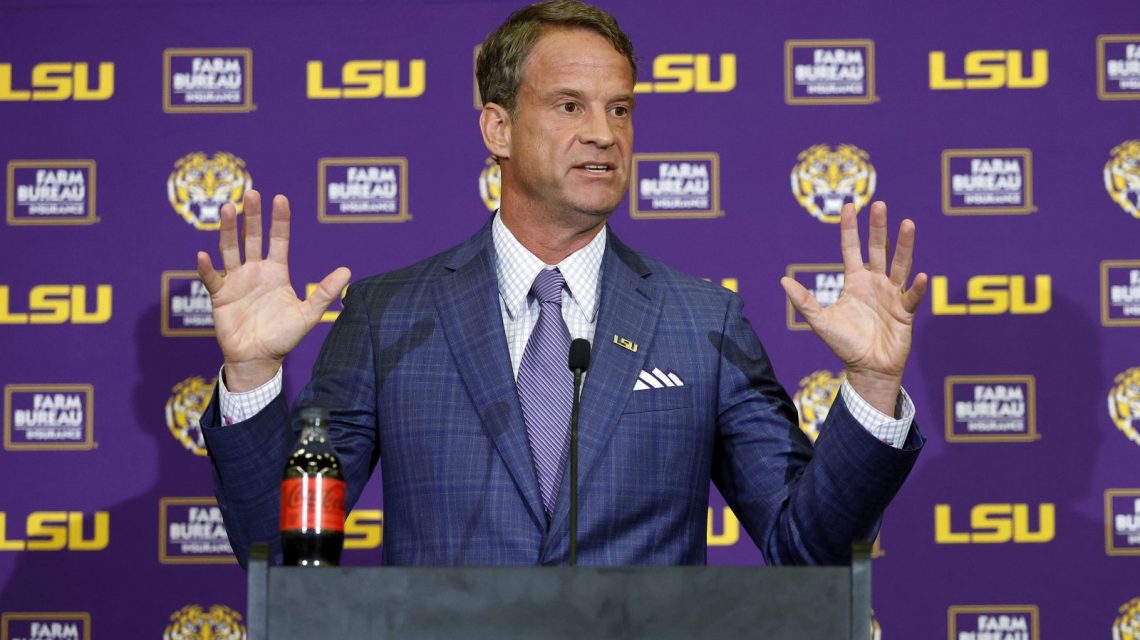
Lane Kiffin appears to be in a precarious position. LSU has recently gained two former Ole Miss players, tight end Dae’Quan Wright and defensive lineman Zxavian Harris. Both were released by NFL teams after a Louisiana judge issued a temporary restraining order that allows NFL rookies to return for a fifth year of college eligibility. However, the SEC is looking into a rule similar to the Big Ten’s that could block former NFL players from joining SEC teams. This rule could prevent Wright and Harris from playing in the SEC.
If Kiffin disregards this potential rule, both he and LSU could face severe penalties. According to Pete Nakos from On3, an SEC athletic director stated, ‘If LSU plays either player, the Tigers should be disqualified from the SEC season and/or pay a $1 million fine.’ The SEC’s stance on professional players returning to college sports is firm. They stated, ‘College athletes, not former professional athletes, have been at the heart of the Southeastern Conference. Individuals who choose to leave college athletics, sign professional playing contracts, and compete professionally should not then be permitted to return to college competition.’
The conference believes that allowing former professionals to return would blur the lines between college and professional sports. It could create competitive equity concerns and limit opportunities for high school and current college athletes. College sports should remain focused on college athletes. There is an emphasis on advancing the Protect College Sports Act due to confusion surrounding eligibility standards.
It’s uncertain if Kiffin will contest any potential SEC rule changes, considering the risk involved in potentially being disqualified from the SEC Championship or a national championship over players who were not initially part of his plan. In a recent appearance on the ‘Pat McAfee Show,’ Kiffin expressed frustration with how conferences manage returning players. He noted, ‘All court orders have been followed. You’re going to get in an interesting situation where as a conference, you start to say, ‘We’re not going to follow this court order that’s been issued.’ That creates issues.’
Kiffin emphasized that picking and choosing which court orders to follow could lead to complications. He stated, ‘It doesn’t work like that. You can’t decide, ‘Hey, I like that injunction, I don’t like that one, that player I kind of like, and I like the way that they got him eligible, so we’re going to follow those rules, not these.’ It really doesn’t work that way.’
 Premier League Season Ticket Trends and Costs
 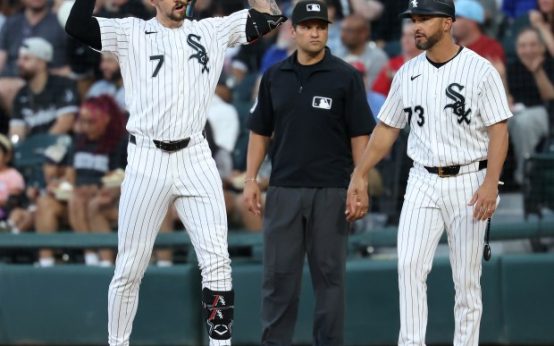 Chicago White Sox Triumph Over Texas Rangers
 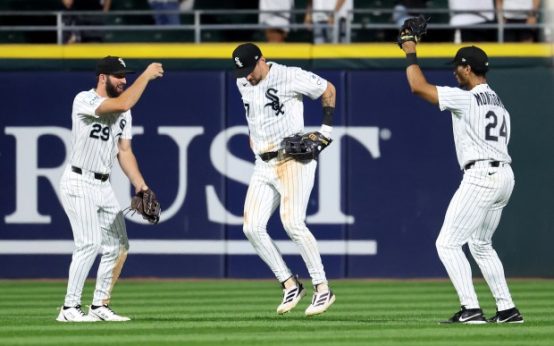 Chicago White Sox Triumph in Thrilling Match Against Texas Rangers
 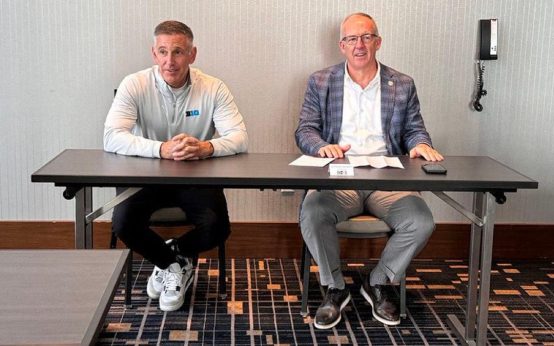 New Guidelines Impact College Athlete Eligibility in SEC and Big Ten
  Cubs-Diamondbacks Clash Over Pitch Tipping Resolved
  LaMelo Ball’s Transition to Minnesota: Car Collection, Personal Driver, and Family Insights