Billionaire Mark Walter’s rapid purchase and forced sale of the Los Angeles Lakers have reignited debates about the ownership of major sports franchises. Walter, who made his fortune in insurance, owned shares in the Lakers, Los Angeles Dodgers, and Chelsea, a Premier League team. Allegations of financial crimes have led to a federal investigation into his businesses, primarily for tax irregularities.
Walter’s quick sale of the Lakers to a group featuring Josh Kushner has raised questions. Some speculate this could be a move to gain favor with the government to mitigate potential repercussions. This scenario highlights broader concerns about the motivations behind owning sports teams, particularly their use as profit-oriented ventures.
While Walter isn’t the first billionaire in sports to face scrutiny, his situation exemplifies growing concerns about club ownership. Critics argue there are inadequate checks on the financing of sports club buyers, widening the gap between owners and fans.
“Fans are increasingly frustrated seeing their favorite teams treated as assets instead of community symbols,” said Will Norton from the University of Massachusetts Amherst. He points out that teams are becoming so costly that dubious financing methods are sometimes employed.
Today, many franchises in leagues like the NFL, NBA, and NHL are at least partially held by private firms or distant owners. This trend often prioritizes short-term profits over fan experience and team development. The situation of Walter is distinct due to the involvement of multiple top leagues.
The Dodgers have thrived under Walter’s financial decisions, particularly a lucrative media rights deal. However, this strategy aligns with a broader crisis within MLB, where ongoing negotiations over a new collective bargaining agreement could lead to a lockout.
Private equity’s influence is expanding in leagues such as MLB, NBA, and NFL. A recent CFA Institute study found that over 70 clubs across North America have partial private equity ownership. Globally, sovereign wealth funds are also increasing their stakes in sports, intensifying competition and financial pressure.
A case in point is Mat Ishbia, owner of the Phoenix Suns. He faces allegations of misusing the team’s finances and excluding partners from a lucrative arena naming rights deal.
“The vetting of team owners by leagues is increasingly in question,” commented Mark Conrad from Fordham University’s sports business program. The massive financial requirements make family ownership obsolete and complicate owner vetting processes.
Fans are growing weary of billion-dollar tax breaks for new stadiums, exclusive broadcasting rights deals, and elite experiences aimed at affluent fans. Portland’s situation with the Trail Blazers exemplifies this, as ongoing negotiations over arena renovations could threaten the team’s future in the city.
Smaller markets like St. Louis, San Diego, and Oakland have already lost franchises due to insufficient returns for wealthy owners.
Cade Massey of the Wharton School points out that the sophistication of involved entities has surpassed current ownership vetting processes, which may necessitate change.
In related college sports news, debates over player eligibility and the Protect College Sports Act are expected to continue. Meanwhile, a controversial ad by golf media company Good Good has sparked discussions about cancel culture and inclusivity in sports.
 Kansas City Chiefs Heiress Gracie Hunt Looks Forward to Franchise Future
  Bodycam Video of Tiger Woods’ Arrest Analyzed by Attorney
  Todd Monken Unfazed by Fan Reactions Over Deshaun Watson’s Starting Role
 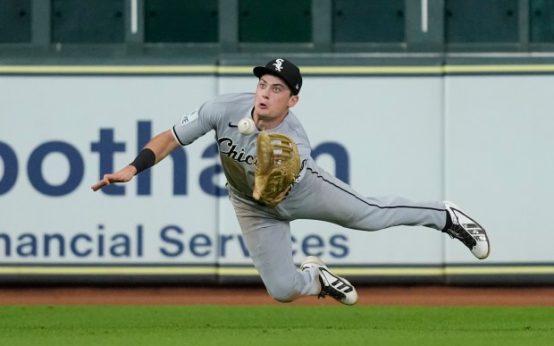 Sean Burke’s Strong Performance Leads Chicago White Sox to Victory
 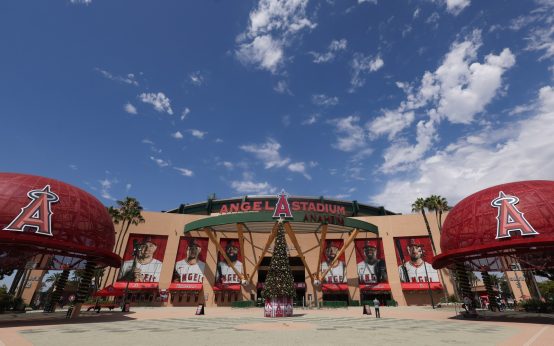 Anaheim Advocates for Angels Name Change Amid Ownership Transition
  Detroit Lions’ Backfield Faces Challenge with Pacheco’s Injury