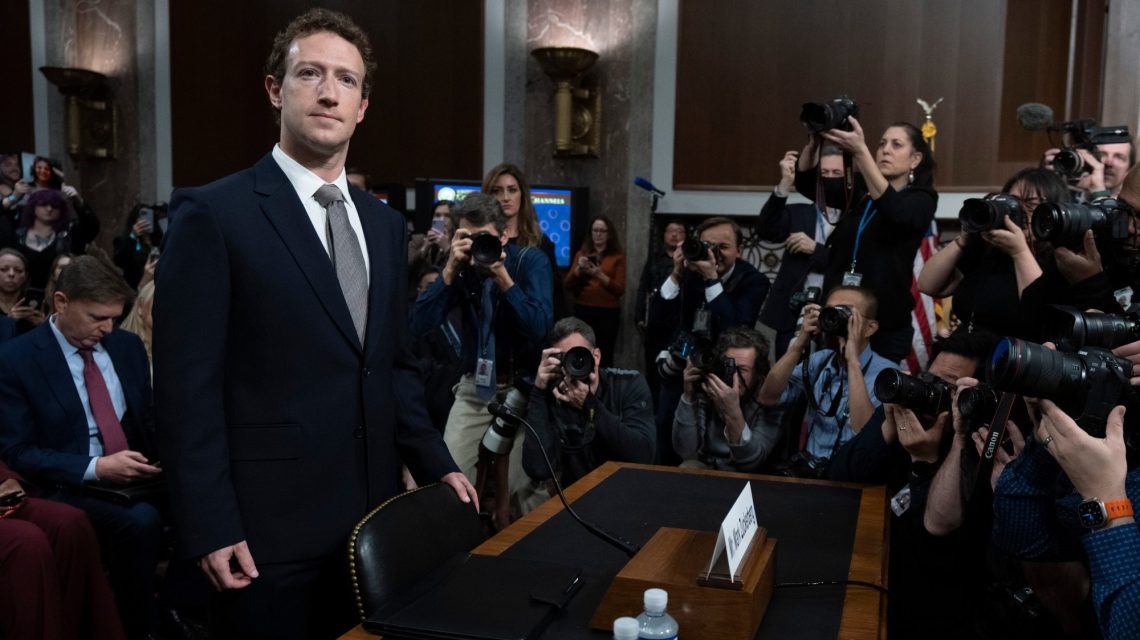
Meta CEO Mark Zuckerberg appeared before a U.S. Senate Judiciary Committee in January 2024 to discuss child safety in social media. By August 26, Meta reached a settlement with 47 states, D.C., and U.S. territories, agreeing to pay $12.19 billion over ten years. The sum could increase to $17.1 billion if TikTok and YouTube agree to similar terms. This is the largest state consumer protection settlement outside of Big Tobacco.
The states initially sought $200 billion, while Meta’s legal team claimed a potential exposure of $1.4 trillion. By settling for less than a tenth, the case fell short of transforming social media fundamentally. Meta settled after losing two significant cases earlier in the year, involving billions in liabilities due to addictive design allegations.
During the trial, California Deputy Attorney General Megan O’Neill highlighted Meta’s strategies aimed at maximizing user engagement through manipulative designs, particularly affecting children. Arturo Bejar, a former Meta safety engineer, testified about the company’s neglect toward underage users’ safety. An unreplied email to Zuckerberg revealed that over half of surveyed teens had negative experiences on Instagram.
The settlement introduces several measures including limiting usage for users under 18, restricting access during late hours, disabling public ‘like’ counts, and removing beauty filters. However, major elements like algorithmically manipulated newsfeeds remain unchanged, leaving room for further scrutiny.
Age assurance methods lack specificity, relying on Meta’s discretion, raising concerns about safeguarding young users effectively. While the settlement seems like a win for Meta, the financial impact is minor compared to its annual revenue. Stock prices rose following the announcement, indicating a perception of favorable terms for the company.
Beyond Meta, similar trials await other tech giants like YouTube and TikTok. The settlement obliges these competitors to implement equivalent changes, effectively turning government enforcers into indirect allies, limiting children’s platform options.
Globally, legislative steps have been taken with countries like Australia banning social media for users under 16 and the EU considering similar regulations. Meanwhile, numerous lawsuits against Meta persist, pointing to ongoing legal battles.
The state’s settlement achieved a result but not the intended transformation. Plaintiffs who pursued legal judgments against Meta saw success, offering a lesson for persistence against favorable out-of-court settlements.
 Proposed $7.85 Million Settlement for PlayStation Users
  NASA Nancy Grace Roman Space Telescope Launch Sets New Milestone
  Beware of Fake Chrome Update Scams: Protect Your Browser and Computer
  Amazon Unveils Alexa+ for Enhanced Fire TV Experience
  AI Chatbots and Their Influence on Conversations About Suicide
  Americans’ Growing Opposition to Data Centers