
Over 600,000 Medicare beneficiaries have enrolled in the GLP-1 weight-loss medication program since its commencement two months ago. This new federal initiative, introduced by the Centers for Medicare & Medicaid Services (CMS), limits the patient cost to $50 monthly. According to CMS Administrator Dr. Mehmet Oz, these medications were previously unaffordable for many seniors due to high prices.
Michael Ryan, a finance expert and founder of MichaelRyanMoney.com, commented on the program’s impact: “The biggest thing this program is doing for seniors is turning access to these drugs from a potentially enormous expense into a predictable $50 monthly decision.” He highlighted the significant demand, evidenced by the enrollment figures.
Importance of GLP-1 Medications
GLP-1 medications like Wegovy and Zepbound have revolutionized obesity treatment in recent years, but their high costs limited access, especially for retirees on fixed incomes. Earlier on, out-of-pocket expenses could exceed $1,000 monthly. The strong demand for affordable GLP-1 options indicates a potential impact on Medicare’s healthcare costs.
Program Details
Dr. Oz stated that around 600,000 seniors have enrolled in the Medicare GLP-1 Bridge program since its launch on July 1. The program will continue until December 31, 2027, offering eligible beneficiaries GLP-1 medications for a flat $50 monthly copayment. Covered medications include Wegovy, Eli Lilly’s Zepbound, and Foundayo. However, the program is temporary.
Michael Ryan noted the uncertainty of future coverage: “If Medicare incorporates comparable GLP-1 coverage into Part D, the Bridge may prove to be exactly what its name suggests—a temporary path to something more durable. Otherwise, seniors accustomed to paying $50 could face higher costs upon program termination.”
The Medicare GLP-1 Bridge Program Explained
The Medicare GLP-1 Bridge is a temporary initiative by CMS aimed at expanding access to obesity medications for Medicare beneficiaries. Announced in May, the program offers innovative treatments at a predictable monthly cost while assessing broader coverage impacts on health outcomes and spending. Dr. Oz highlighted the intent: “The Medicare GLP-1 Bridge changes that by making these medications more affordable, advancing our goal of helping Americans live healthier lives.”
At launch, CMS stated that qualified beneficiaries would access medications for $50 monthly regardless of income, with availability until late 2027. Medicare and Health and Human Services director Chris Klomp emphasized consistency: “This demonstration is designed to make accessing those medications simpler and more consistent, which means better quality of life for seniors.”
Eligibility Criteria
Medicare guidance outlines eligibility based on specific criteria. Beneficiaries typically require Medicare Part D prescription drug coverage and must meet specified clinical conditions.
- Have a BMI of 35 or higher.
- Have a BMI of 30 or higher along with certain health conditions.
- Have a BMI of 27 or higher with cardiovascular disease histories or prediabetes.
Some beneficiaries might be excluded because they qualify for GLP-1 coverage through Medicare Part D due to conditions like Type 2 diabetes or fatty liver disease.
Kevin Thompson, CEO of 9i Capital Group, warned of unintended consequences: “High participation rate might cause supply disruptions for those with chronic illnesses.”
Future Prospects
The Medicare GLP-1 Bridge program is authorized through December 31, 2027. Future decisions rely on data from the pilot to evaluate broader obesity medication coverage impacts.
Enrollment reaching 600,000 beneficiaries suggests careful scrutiny of costs and health outcomes in relation to patient and Medicare spending. Thompson added: “Long-term impacts are unclear, as the drugs were designed for those with diabetes.” He noted potential weight gain and digestive side effects after stopping medication.
 Child Dies, Teen Critical from Brain-Eating Amoeba
  The Role and Challenges of FEWS NET in Monitoring Food Crises
  Rabies Exposure Incident at North Carolina Petting Zoo
 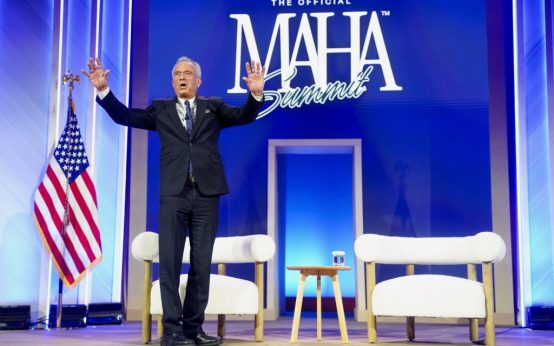 FDA Proposal to Revise GRAS Notification
 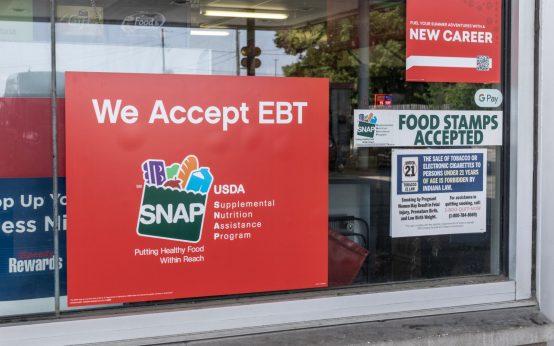 SNAP Benefit Restrictions Delayed in Two States Following Court Ruling
  Challenges in Maternity Care Accessibility in Arkansas