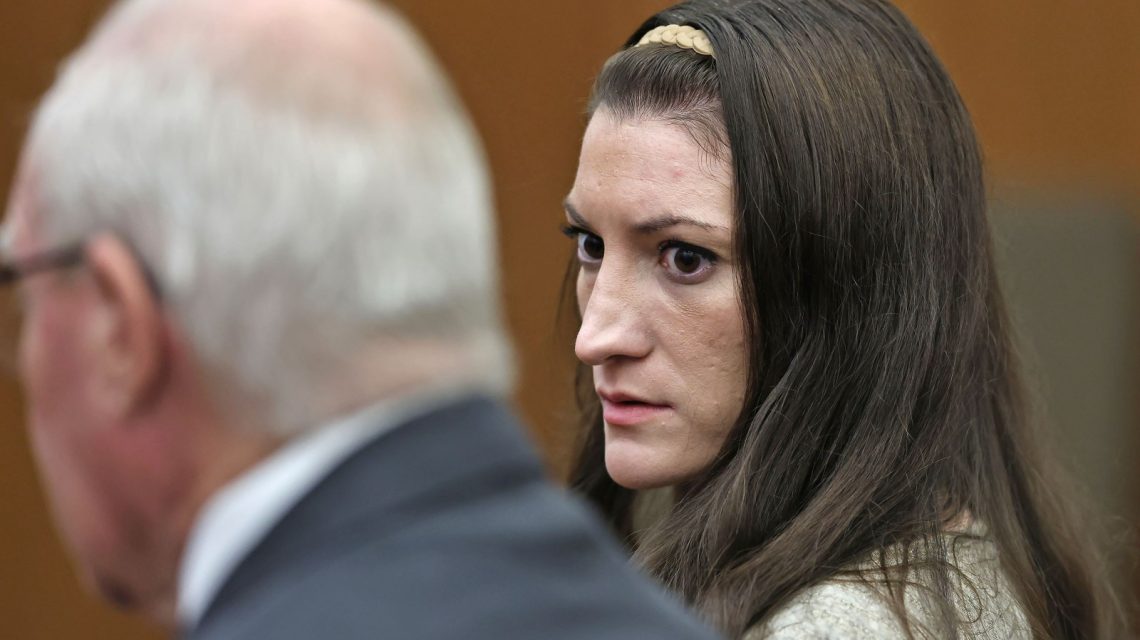
Jury Deliberations Hit Roadblock
The jury involved in deciding Lindsay Clancy’s fate has reported difficulty in reaching a unanimous decision after over 17 hours of deliberation spanning four days. Plymouth Superior Court Judge William Sullivan received a note from jurors on Tuesday, indicating the impasse but opted against declaring a mistrial. Instead, he instructed them to delve deeper into the evidence.
Clancy’s trial has lasted about six weeks, featuring testimonies from over 80 witnesses and examining more than 300 exhibits. The primary question is whether Clancy bears criminal responsibility for the killing of her three children. Her defense based its arguments on postpartum psychosis, while the prosecution contended that Clancy acted deliberately.
Legal Duration of Jury Deliberations
Massachusetts law does not restrict the number of hours or days juries must deliberate before reaching a verdict. Sullivan’s decision to send jurors back for further examination was guided by possibilities of achieving consensus. However, if continued deliberations fail to yield unanimity, the judge has the option to declare a mistrial, potentially leading to a retrial.
The 17 to 18 hours of current deliberation time doesn’t stand out as unusually lengthy for such an intricate case.
Comparisons with Extended Jury Deliberations
If the Clancy jury extends its deliberations to days or weeks, it would still fall short of the record held by a 1992 California civil case where deliberations lasted about four and a half months. In this case, Shirley and Jason McClure won compensation from Long Beach officials for alleged housing bias.
A more fitting comparison is the McMartin Preschool trial, notorious for its length. The criminal proceedings lasted almost three years from July 1987 to July 1990, with jury deliberations spanning nine weeks. Though extraordinary, it sets a precedent for lengthy deliberations.
Quick Verdicts in Prominent Trials
Quick verdicts have emerged from significant trials, such as the O.J. Simpson case in 1995 that concluded after less than four and a half hours of deliberation. Similarly, Robert Durst’s murder trial in 2021 wrapped up after around seven hours over three days.
Yet other cases, like the Scott Peterson trial in 2004, took approximately seven days. These examples illustrate why predicting a jury conclusion is challenging, given the variety in case complexities.
The Menendez Brothers Case and Jury Deadlocks
The initial Menendez brothers trial in 1993-94 further exemplifies tallying jury deadlocks resulting in mistrials; deliberations lasted about 11 days before reaching an impasse. A subsequent trial in 1996 led to their convictions.
A key point for Clancy is that a deadlocked jury does not equate to acquittal. A mistrial declaration could lead to a retrial.
Factors Influencing Verdict Timelines
Research warns against assuming deliberation length indicates impending verdict results. A study of criminal juries highlighted evidence strength as a crucial conviction predictor, deeming several deliberation-related variables to hold weak influence.
Nonetheless, longer trials and heightened complexity tend to extend deliberations. A related study in mock jury settings suggested deliberation quality and length didn’t always correlate. More prolonged discussions might stem from substantial evidence evaluation or reflect repetitive debates or entrenched disagreements.
Therefore, while the Clancy jury’s deadlock holds significance, predicting outcomes remains uncertain.
Potential Outcomes from Continued Deadlock
Should the jurors fail to reach unanimity, Sullivan may declare a mistrial. Following that, prosecutors could opt to retry unresolved charges. A real deadlock does not imply an acquittal automatically.
The jury may ultimately achieve a consensus, continue deliberations, or conclude their inability to meet unanimity requirements.
 Husband and Co-defendants Face Trial in England for Alleged Abuse
  Jury Struggles to Reach Verdict in Lindsay Clancy Murder Trial
  Court Hearing for Tyler Robinson Accused of Killing Charlie Kirk
  Legal Challenges Surround Bryan Kohberger’s Plea in Idaho Student Murders Case
  Las Vegas Jury Deliberates in Tupac Shakur Murder Trial Against Duane Davis
  Homer Glen Suspends License Plate Reader Program Amid Policy Breach Investigations