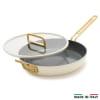
Almost everyone you know likely owns at least a few nonstick pans in their kitchen. These pans are known for being easy to clean and lightweight. Nowadays, many non-toxic options are available. However, depending on the age of your pans and their wear and tear, replacing them might be necessary.
When to Replace Nonstick Pans
Experts, including culinary instructors with years of experience, offer insights into the lifespan of nonstick pans. Well-maintained pans can last many years, but if you notice significant scratches or if food starts sticking, it’s time to replace them. Severe scratches that reveal the pan’s base or flaking of the coating are signs that it’s time for new cookware.
Recommended Nonstick Pans
Our recommendations include top picks from Caraway, GreenPan, and Our Place. These brands offer durable and non-toxic options. For example, GreenPan offers a frying pan with a strong nonstick coating that doesn’t degrade even after multiple dishwasher cycles.
Caraway’s pan features a non-toxic ceramic coating and is oven-safe up to 500 degrees Fahrenheit. Our Place’s Always Pan includes useful accessories like a wooden spatula and a steamer basket. It handles oven temperatures up to 450 degrees Fahrenheit. The pan’s ceramic coating provides ease in cleaning while being free from harmful chemicals.
Alternatives to Nonstick Pans
Consider cast iron or stainless steel cookware as alternatives. Cast iron is known for high-heat cooking and improves with use. Stainless steel offers lightweight durability without reacting chemically with food. Though cast iron requires more maintenance, especially to prevent rust, enameled versions make care simpler.
Caring for Nonstick Pans
Proper care can extend the lifespan of nonstick pans. Store pans with cloth layers between them to avoid scratches. Use wooden or silicone utensils to maintain the coating. Keep cooking temperatures between 400 and 500 degrees Fahrenheit. When cleaning, use soft towels or cloths to avoid abrasives.
Expert Recommendations
Advice from experts includes replacing pans with visible wear, while small surface scratches may not affect cooking performance. If you’re examining your nonstick cookware, watch for signs of coating blistering or separation from the base.
About NBC Selected
NBC Selected provides unbiased expert insights and recommendations on home and kitchen appliances. Our editors work independently, ensuring no conflicts of interest influence their advice. Follow NBC Selected on social media for updates on kitchen trends and tools.
 Back-to-School Tips for Parents
  Improving Sleep Habits for Children: Advice from Dr. Nilong Vyas
  Effective Bedtime Routine for Better Sleep
  Lionel Messi’s Retirement Marks End of Era: Get His Argentina Jersey at 30% Off
 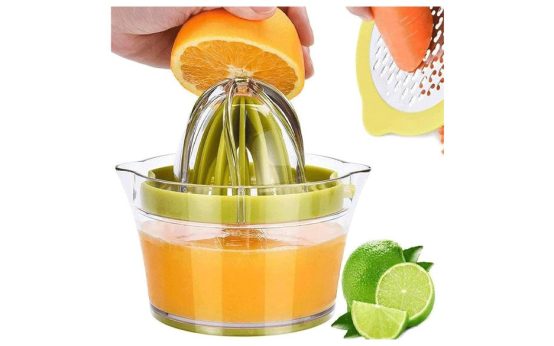 Homemade Juices to Enhance Your Diet
  Comfort Food with Eastern European Flair at Maplewood Lounge