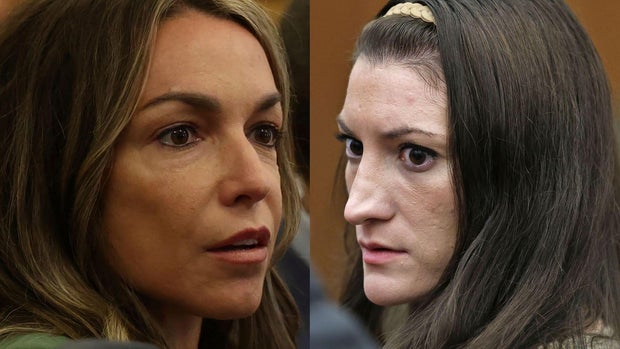
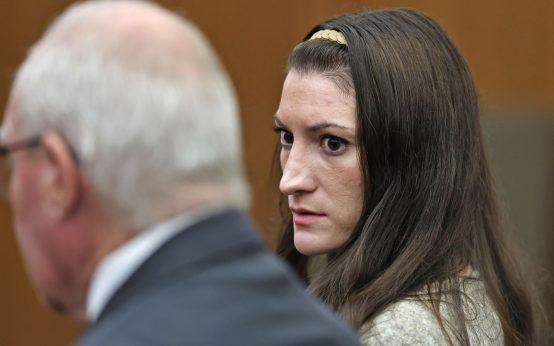
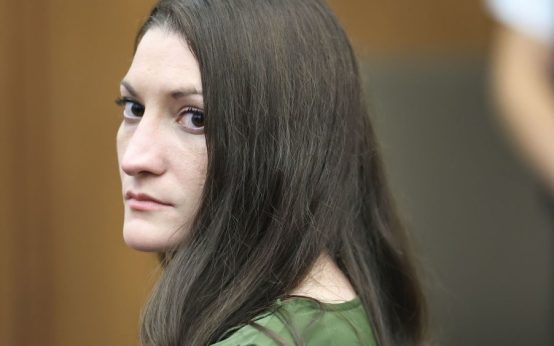
On a recent Tuesday, a jury in Lindsay Clancy’s trial announced it was deadlocked, unable to reach a unanimous decision. The presiding judge, William Sullivan, instructed them to continue deliberating. The jury persisted until approximately 3:30 p.m. before adjourning without a verdict.
Historical Cases of Hung Juries
Massachusetts has seen several high-profile cases involving hung juries, such as those of Karen Read and Emanuel Lopes. These cases highlight potential durations for jury deliberations when an impasse occurs.
Emanuel Lopes was charged with the 2018 murder of Sgt. Michael Chesna of the Weymouth Police. His 2023 trial concluded in a mistrial due to a hung jury. In 2024, jurors in his second trial reported being deadlocked three times before reaching a unanimous guilty verdict after six days and 32 hours of discussions.
Similarly, Karen Read’s 2024 trial ended in a hung jury after five days and 27 hours of deliberation. Jurors had earlier indicated being deadlocked at 17.5 and 23.5 hours of discussion before the trial ended in a mistrial. Read was subsequently acquitted in a second trial one year later.
The Tuey-Rodriguez Instruction: A Tool for Deadlocked Juries
In Massachusetts, judges may use the “Tuey-Rodriguez” instruction, a form of “dynamite” charge, to break a jury deadlock. Originating from a 1973 case, this method is applied when juries report deadlock.
The instruction addresses jurors, reminding them of the importance of reaching a verdict. Key points include acknowledging the inability to expect a different jury to be more adept and emphasizing the duty to decide the case if possible.
The law allows a judge to send deadlocked jurors to deliberate twice. If jurors have legal inquiries, further deliberations may be mandated. After issuing the Tuey-Rodriguez charge, a jury that remains deadlocked empowers the judge to declare a mistrial. Should this occur, the defendant’s pretrial conditions are reinstated.
For Clancy’s case, this means remaining under psychiatric care at Tewksbury State Hospital. The district attorney, Timothy Cruz, must then decide whether to retry Clancy for first-degree murder, pursue lesser charges, or forego retrial.
 Pennsylvania Police Officer Charged in Fatal Shooting Incident
  Massachusetts Jury Struggles to Reach Verdict in Lindsay Clancy Trial
  Husband and Co-defendants Face Trial in England for Alleged Abuse
  Jury Struggles to Reach Verdict in Lindsay Clancy Murder Trial
  Court Hearing for Tyler Robinson Accused of Killing Charlie Kirk
  Legal Challenges Surround Bryan Kohberger’s Plea in Idaho Student Murders Case