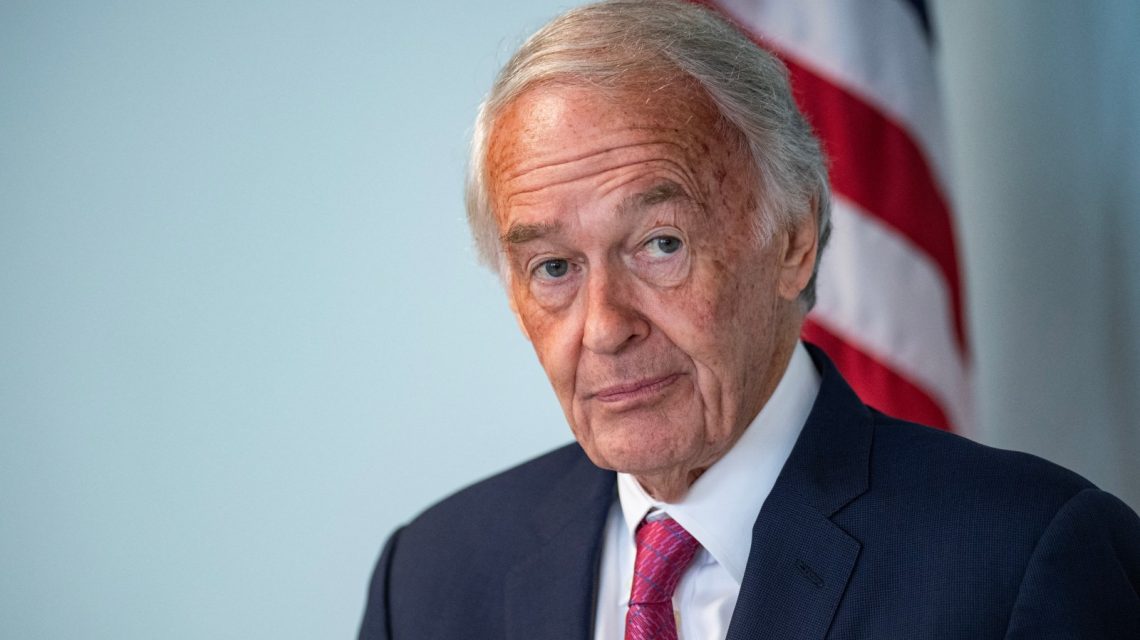
Senator Ed Markey successfully overcame a primary challenge from Representative Seth Moulton in the Democratic primary for Massachusetts’ Senate race. This victory runs counter to a trend where Democrats opt for younger candidates over seasoned incumbents. Calls for change within the Democratic Party have encouraged older leaders to relinquish positions to the younger generation. Despite this, progressives rallied around Markey once more, bolstering his candidacy against the generational shift efforts by Moulton.
Markey Secures Strong Lead
Markey, aged 80, defeated Moulton with around 69% of the vote, compared to Moulton’s 31%, according to the Associated Press. Progressives focus on policy rather than age, and Markey’s consistent support for liberal policies played a key role in his victory. While progressives have supported leaders like Alexandria Ocasio-Cortez and Zohran Mamdani, they continue backing elder politicians like Markey and Bernie Sanders. Adam Carlson from Zenith Research noted that ideological alignment takes precedence over a candidate’s age.
Policy vs. Age Concerns
Many voters are willing to overlook age if candidates are perceived as champions of vital issues. Markey, Sanders, and Elizabeth Warren are seen as reliable progressive figures, which eases age concerns. Todd Belt from The George Washington University explained that progressives seek leaders who advocate for essential issues rather than merely opposing others. The primary race centered on policy despite Moulton’s attempts to highlight Markey’s age.
Aging Leadership and Its Impact
Questions about age persist within the Democratic Party, affecting both progressives and moderates. Trump’s presidency brought age-related concerns to light, and moderate Democrats face similar scrutiny with President Joe Biden. Age concerns significantly influenced the 2024 elections, impacting Democratic strategies and outcomes.
Markey’s Stand Against Generational Change
Moulton presented himself as a younger candidate, but Markey’s reputation prevailed. A poll from the University of Massachusetts Amherst listed “old” as the primary descriptor for Markey, yet voters favored his policies and perceived honesty. Polls showed his support among Democrats at 82%, with many valuing his qualities over the younger Moulton’s perceived energy.
Markey’s debate answer on AI usage, emphasizing practical applications, reflected his adaptability.
Some desired Markey’s retirement for a younger successor like Representative Ayanna Pressley, but Moulton’s moderate stance wasn’t appealing. Markey’s backing of Medicare for All and the Green New Deal sets him apart from Moulton, whose centrist views on transgender athletes stirred controversy.
Shaping Future Progressive Leaders
Progressive leaders such as Sanders, Warren, and now Markey continue to define the movement’s agenda. Younger leaders like Ocasio-Cortez and Rashida Tlaib gain recognition as successors. Sanders urged focus on pressing national issues over personalities, indicating Ocasio-Cortez’s potential candidacy. While aging leadership remains a challenge, emerging progressives provide pathways for future direction. Uncertainties linger in party dynamics, potentially allowing moderates in future primaries. The political landscape remains unpredictable, emphasizing strategizing for desired succession within solidly Democratic regions.
 Joe Rogan Critiques Trump’s Lake Ontario Renaming Amid Iran Conflict
  Trump Administration Considers New Passport Requirements for Parents
  Alexandria Ocasio-Cortez Discusses Egg Freezing and Future Plans
  Massachusetts Rep. Stephen Lynch Wins Over Progressive Challenger
  Ed Markey’s Victory Highlights Progressive Momentum in Democratic Politics
  Joshua Wong Pleads Guilty to Conspiracy Under Hong Kong Security Law