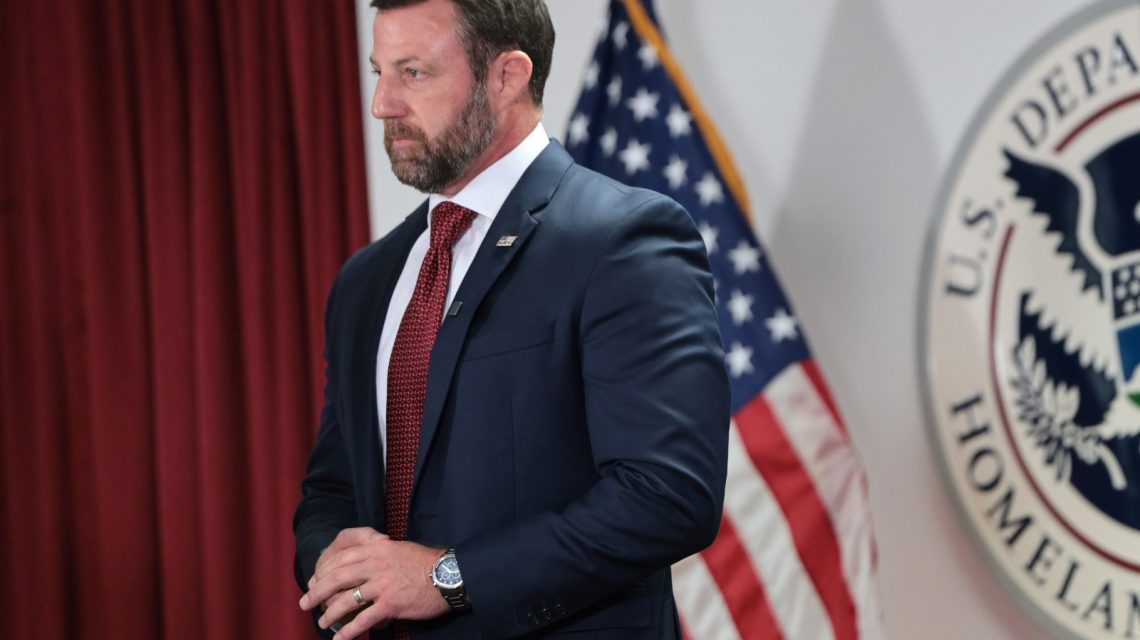
Homeland Security Secretary Markwayne Mullin announced a potential policy to restrict late-stage pregnant women from entering the United States. This move aims to tackle birth tourism, where foreign nationals enter the country to give birth, securing U.S. citizenship for their offspring. The Trump administration has prioritized limiting birthright citizenship, and this proposal fits into that broader strategy.
Policy Development
In a discussion with Fox News, Mullin stated collaboration with the Department of Justice and the Department of Health and Human Services is ongoing to establish rules. These would prevent entry for women in their third trimester. Mullin referenced his grandson’s recent birth and noted restrictions on flying late in pregnancy, proposing similar considerations for national policy.
Though birthing in the U.S. is not illegal, a Department of Homeland Security spokesman emphasized focusing on federal law violations, such as visa fraud. The DHS, while keeping specific tactics confidential, commits to cross-agency collaboration to tackle transnational crime.
Recent Executive Orders
Trump’s executive order from August 6 seeks to block nonimmigrant visa misuse for birth tourism. It doesn’t ban pregnant women generally but targets those with the primary intent to give birth in the U.S. Visa denials, revocations, and traveler rejections at borders are part of the enforcement toolkit, with humanitarian exemptions allowed. Leon Fresco, a former DOJ official, explained existing mechanisms to enforce the order. U.S. Customs and Border Protection officers can scrutinize travelers closely, especially if they appear close to delivery, extending to secondary inspections that might involve questioning and medical tests.
Current Regulations
Pregnancy alone does not bar U.S. travel. B-category visitor visas depend on the trip’s main intent. However, evidence of birth tourism is lacking. Amanda Frost, a law professor, notes federal regulations have already addressed this since 2020 by presuming that women intending to give birth are seeking U.S. citizenship for their child. Medical treatment justifies travel, but visas demand proof of health arrangements and the ability to finance the trip. The 2020 regulation affected State Department visa processes without altering DHS rules, but Trump’s order urges updates across both agencies.
Fresco indicated existing protocols where travelers can be barred based on pregnancy status, and birth tourism prevention is not new. Nonetheless, the situation involves complex determinations, making regulatory enforcement challenging.
Enforcement Pathways
Visa processing serves as the initial checkpoint; consular officers have authority to deny B visa applications based on suspected intentions. The new task force reviews visa records and coordinates with DHS to counter birth tourism. Visa revocations, though numerous, don’t confirm birth tourism in all cases.
Border inspections offer a secondary enforcement point. CBP officers assess admissibility upon arrival, allowing further questioning and potential denial of entry. Legal actions for immigration fraud could apply to misrepresented travel purposes. The State Department emphasized permanent ineligibility for those caught misrepresenting their trip’s aim.
Defining Birth Tourism
The term ‘birth tourism’ often lacks precision. Noncitizens on valid visas giving birth aren’t automatically deemed tourists. Fresco distinguished birth tourism as intentional travel for giving birth, with hopes of future immigration benefits, despite existing legal complexities.
Efforts to curb birth tourism relate to ongoing birthright citizenship debates. A recent separate executive order tried to redefine U.S.-born citizens’ eligibility, facing legal obstacles. Current legal interpretations uphold citizenship for children born to those temporarily or unlawfully in the country.
Fresco speculated on potential legal attempts to limit benefits tied to birthright citizenship under new regulations while anticipating related litigation.
 White House Launches ‘Arcade’ Video Game Collection Promoting Trump Agenda
  Adam Telle Appointed Acting Secretary of the Army
  Early Release for John Dougherty Following Presidential Commutation
  Adam Telle Named Acting Army Secretary by President Trump
  Missouri Supreme Court Blocks Republican Congressional Map
  Leon Black Sues House Oversight Committee Over Epstein Investigation