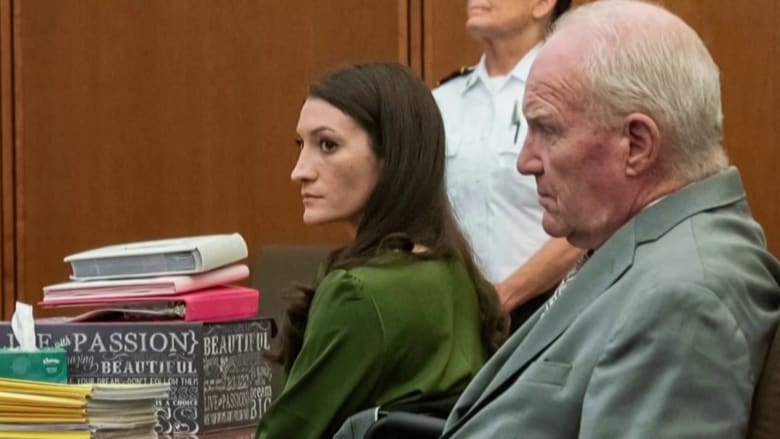
Judge Declares Mistrial in Clancy Case
The jury in the Lindsay Clancy trial has failed to reach a verdict after three attempts, prompting Judge William Sullivan to declare a mistrial. This case involves Clancy, who strangled her three children, Cora, Dawson, and Callan, before attempting suicide in January 2023. The jury was split on charges of first-degree murder, considering lesser manslaughter charges.
Defense and Prosecution Perspectives
Clancy’s attorney, Kevin Reddington, argued she was suffering from postpartum psychosis and heard hallucinated voices compelling her actions. The prosecution, led by Assistant District Attorney Jennifer Sprague, maintained that Clancy was aware of right and wrong, suggesting premeditation in the killings.
The nearly six-week trial has sparked widespread media attention, highlighting issues in maternal healthcare.
Reactions and Next Steps
In light of the mistrial, Patrick Clancy, Lindsay’s ex-husband, expressed that a retrial would be emotionally challenging for him and his family. Reddington criticized Plymouth County District Attorney Timothy Cruz’s prosecution, asserting it lacked substance.
The district attorney has yet to decide on pursuing a retrial. Legal analysts, including NBC’s Misty Marris and Laura Jarrett, noted the difficulties in forming another impartial jury and the possibility of downgrading charges.
Civil Case and Broader Implications
Amidst the criminal trial, Clancy’s civil attorneys plan to proceed with a case against her healthcare providers, accusing them of negligence in handling her mental health conditions.
NBC’s analysis suggests consulting the Clancy family before making decisions on a retrial to balance the need for justice with emotional considerations.
Public Figures Weigh In
President Donald Trump commented on the case, calling it a ‘horrible tragedy’ and speculating about potential outcomes for Clancy’s future. Meanwhile, Massachusetts’ court proceedings included a Zoom hearing to address juror issues, showing the complexity of the legal process in high-profile cases.