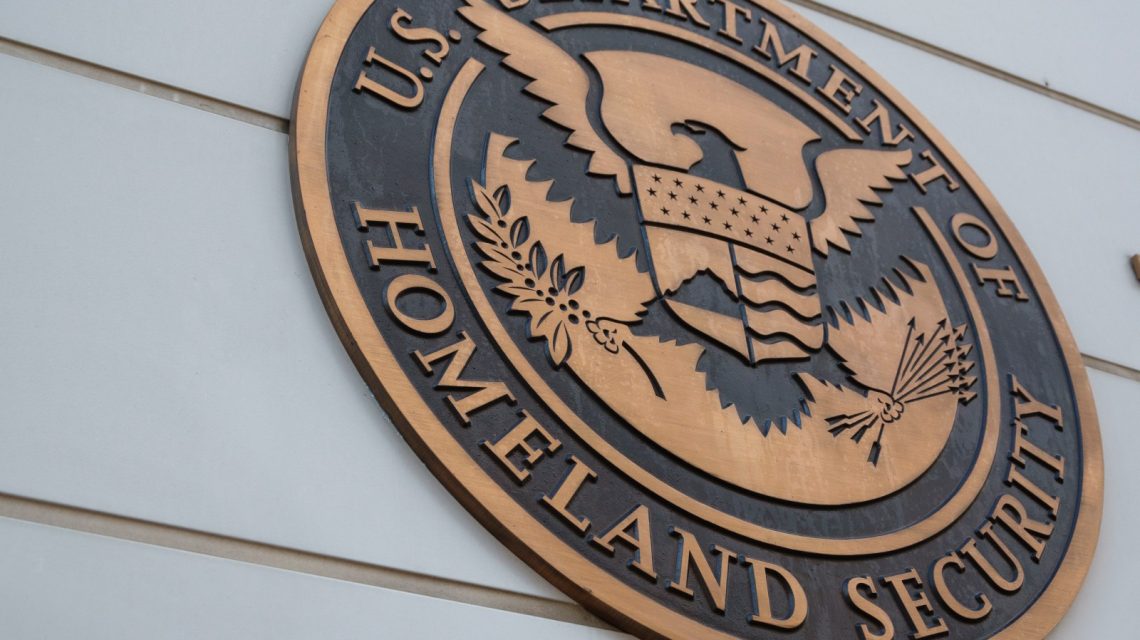
The Department of Homeland Security (DHS) is proposing new regulations that aim to expand the list of individuals exempt from birthright citizenship. This measure would offer green cards rather than citizenship to certain children born in the United States.
In an upcoming Federal Register filing, DHS proposes preventing birthright citizenship for children born to foreign government employees. This expands beyond diplomats and ambassadors. The proposal is part of the Trump administration’s broader strategy to limit birthright citizenship, despite a Supreme Court ruling affirming that those born on U.S. soil are American citizens.
Details of the Proposal
The regulation would alter the current framework, extending birthright citizenship exemptions from diplomatic officers to a broader category of foreign government employees. According to DHS, individuals born in the U.S. to foreign government employees would not be “subject to the jurisdiction of the United States” for citizenship purposes unless one parent is a U.S. citizen.
The expanded category would include:
- Foreign diplomatic officers accredited to the U.S.
- Nationals employed by foreign embassies or consulates.
- Employees of foreign governments in official roles.
- Workers for international organizations with immunity.
These individuals could apply for lawful permanent resident status from birth using existing immigration processes.
David Bier, director of immigration studies at the Cato Institute, criticizes the proposal. He argues that DHS lacks authority to exempt categories from U.S. jurisdiction. He asserts foreign government employees, unlike ambassadors, are subject to U.S. laws.
Link to Trump’s Initiative
DHS’s proposal aligns with Executive Order 14418, signed by President Trump, aimed at protecting American citizenship’s value. The order instructs the agency to prevent citizenship documentation for specified U.S.-born individuals. The proposal challenges the 14th Amendment’s Citizenship Clause, asserting children of foreign government employees are outside its scope when neither parent is a U.S. citizen.
Differentiating from Diplomat Exceptions
DHS distinguishes the proposed rules from existing exceptions for diplomats. Historically, children of accredited diplomats were recognized as outside U.S. jurisdiction, not earning automatic citizenship. The new regulation broadens this exclusion to include various embassy staff, consular employees, and foreign government workers, significantly expanding the definition of who is outside U.S. jurisdiction.
Legal Challenges and Implementation
The proposal acknowledges legal hurdles, notably the injunction in the Casa Inc. v. Trump case. DHS states it will adhere to the ruling unless relieved from the injunction, highlighting the contested legal landscape surrounding birthright citizenship.
The regulation, set for publication on September 9, will take immediate effect as an interim final rule while DHS collects public comments. It applies to children born on or after the effective date. Courts will evaluate the administration’s broadened interpretation of jurisdiction exclusions in the context of birthright citizenship.
Ultimately, the rule is anticipated to be a focal point in discussions over the Trump administration’s redefinition efforts regarding birthright citizenship limits in the U.S.
 Dolphin Incident in Ceuta Sparks Outrage Among Locals
  Federal Agents Conduct Sweep in Multi-State DOJ Election Fraud Probe
  Former Kentucky Governor Matt Bevin Arrested Following Court Orders Violation
  FEMA Conference Room to Host Immigration Hearings
  Maryland Sheriff’s Concerns on State’s Sanctuary Law
  Troubles Persist as Trump Administration Allocates $2.7 Million for Lincoln Memorial Reflecting Pool Algae Issue