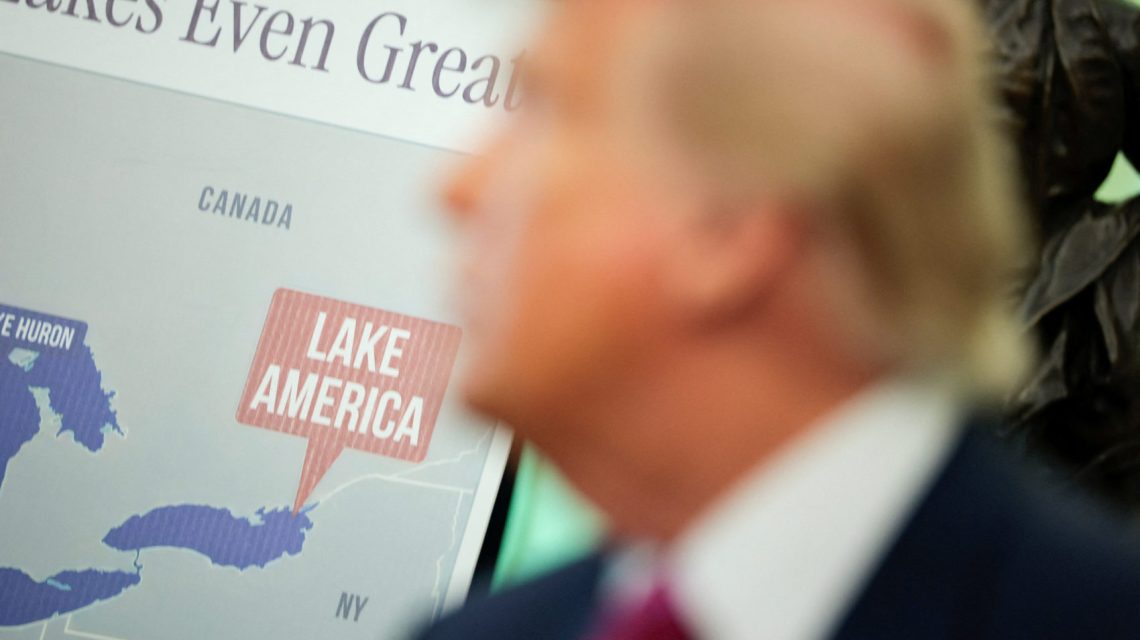
The current election cycle unfolds amidst numerous changes and challenges. The U.S. election landscape reflects significant shifts in political dynamics. President Donald Trump’s presence is once again central as the final midterms of his presidency approach. Both Democrats and Republicans acknowledge his pivotal role, a factor that influences voter opinions and party strategies.
The Unpredictable Political Environment
Recent developments include changing congressional maps in key states like Texas, California, and Florida. A legal appeal by Missouri’s Republican attorney general seeks to restore a Trump-backed map, adding further unpredictability. Economic concerns, partly fueled by Trump’s tariffs on Canada, could escalate, influencing election outcomes. Additionally, Trump’s defense of limiting mail-in ballots introduces uncertainties as distribution begins, especially in strategic states like North Carolina.
Trump’s Financial Influence and Its Implications
Trump’s financial activities, notably amassing significant wealth during office, continue to impact politics. He reported earnings of $1.2 billion from his crypto ventures last year, sparking bipartisan debates. Efforts in the Senate aim to introduce stringent cryptocurrency regulations. However, Democrats demand robust ethics provisions, reflecting concerns over potential conflicts of interest.
Partisanship and Trump’s Enduring Impact
Democrats emphasize the midterm focus on Trump’s influence. Rep. Suzan DelBene underscores Trump’s association with economic challenges felt across the nation. Historical trends present obstacles for a president’s party during midterms, yet demographics and partisan redistricting might limit potential seat changes. Current polls show a drop in Trump’s approval ratings, highlighting dissatisfaction with his handling of core issues like the economy and immigration.
Democratic Strategies to Regain Control
As Democrats strategize to reclaim congressional power, their focus extends beyond Washington. Control of governorships in pivotal states such as Georgia, Ohio, Iowa, and Nevada is integral to their broader objectives. Gov. Andy Beshear of Kentucky leads the charge, with particular emphasis on Iowa, where resources fuel attempts to sway rural voters historically aligned with Republicans.
Despite a favorable political landscape, Democrats face challenges. Incumbent Democratic Governor Katie Hobbs faces a competitive race in Arizona against a Republican challenger, highlighting potential vulnerabilities. Meanwhile, Republican candidates aim to capture anti-incumbent sentiments, as seen in Minnesota, where Lisa Demuth targets long-standing Democratic figures.
Voting Concerns and Federal Involvement
Voting issues loom, raising concerns over federal involvement in state-controlled elections. Instances like the federal monitoring of poll workers provoke reactions from figures like Wyoming Gov. Mark Gordon, emphasizing state autonomy in election matters. Oklahoma Gov. Kevin Stitt echoes this sentiment, advocating against federalizing elections while supporting voting requirement reforms.
Democrats in critical swing states are positioning election integrity as a central theme, with Nevada Attorney General Aaron Ford highlighting the importance of maintaining a fair electoral process. As political dynamics evolve, the focus on robust electoral frameworks underscores ongoing efforts to address underlying electoral concerns and ensure democratic principles are upheld.
A free press remains essential for an informed public. Supporting reliable journalism fosters transparency and constructive dialogue in democracy.
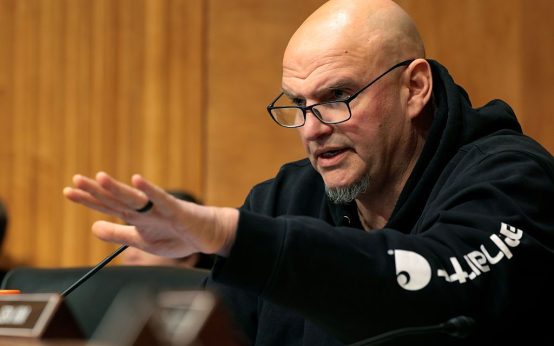 Senator John Fetterman’s Voting Record and Allegations
 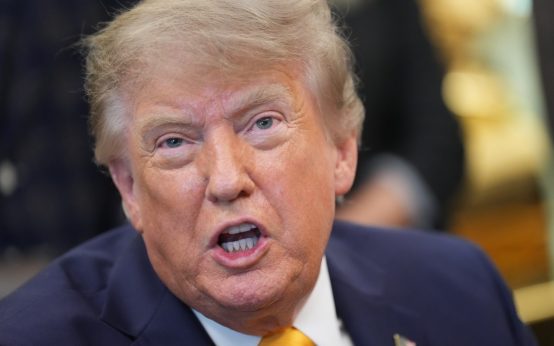 Trump’s Proposal to Rename New Mexico Sparks Criticism
 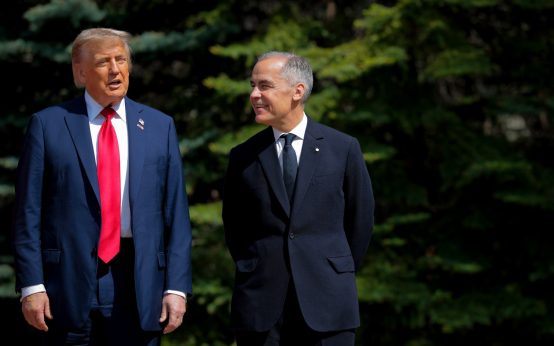 U.S.-Canada Relations Strained Over Tariff Dispute and Controversial Policies
 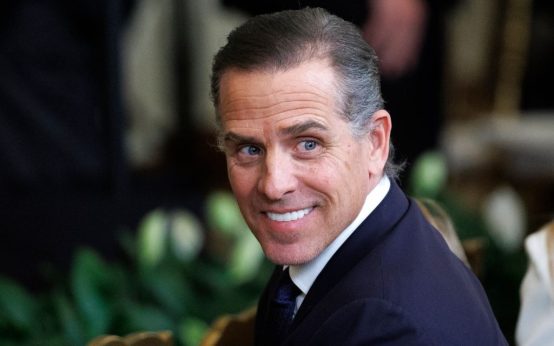 Hunter Biden Considers 2028 Presidential Run
 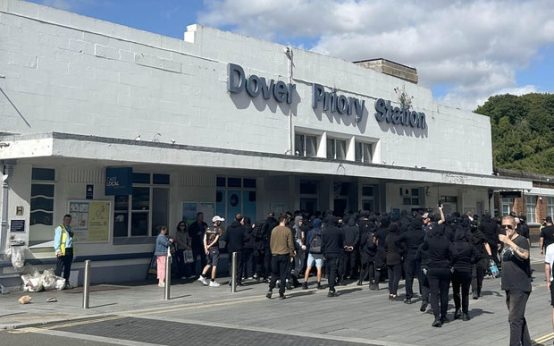 Anti-migrant protests disrupt traffic at Dover and Portsmouth ports
 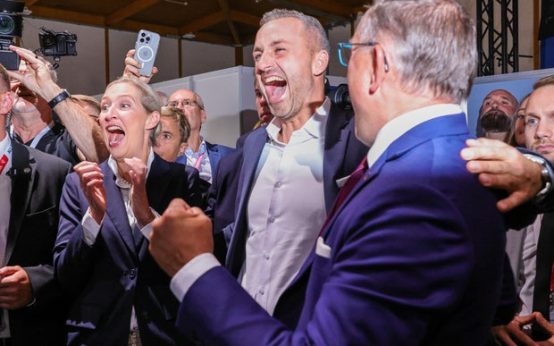 Germany’s AfD Party Surges in Saxony-Anhalt Election