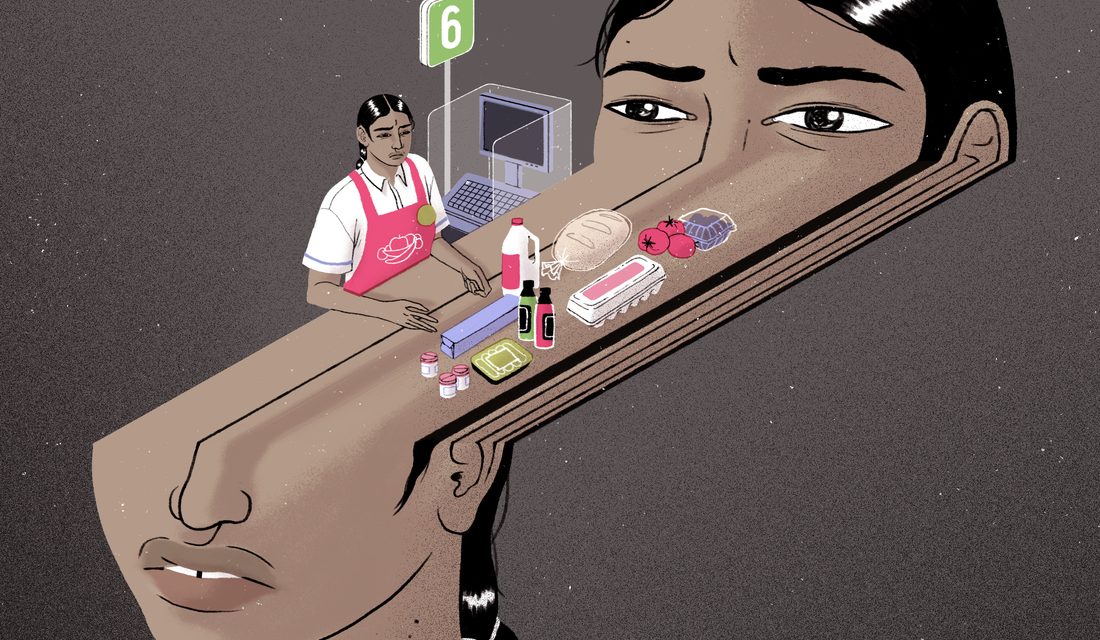
Maintaining your mental health is crucial, especially while working. Challenges like depression, anxiety, and burnout can impair your ability to function at work and in life. Taking mental health seriously is necessary, yet societal stigma often discourages taking time off for mental health needs.
Jody Adewale, a psychologist and medical advisor, emphasizes that mental health issues aren’t weaknesses, but inevitable experiences. Everyone will face mental health struggles eventually, so understanding how to handle them is vital.
Identifying Mental Health Issues
Begin by checking in with your body and noting changes in behavior, sleep, or eating habits. You can also observe fellow coworkers for signs of emotional distress:
- Personality changes
- Agitation or unusual anger
- Social withdrawal
- Neglected hygiene or substance use
- Feelings of hopelessness
Paying attention to these signs can prompt necessary action. Honest self-reflection may reveal a need for habit changes or discussions at work. Assess if lifestyle tweaks like more movement or less social media could alleviate stress.
Communicating and Seeking Resources
Once you recognize a mental health issue, communicate with trusted coworkers or supervisors. They may have valuable resources to offer. However, be cautious when involving HR, as their priority often centers around the company’s interests.
If facing discrimination due to a mental health condition, contact the U.S. Equal Employment Opportunity Commission for assistance.
A practical communication approach involves using the DEAR method:
- D: Describe the situation using facts.
- E: Express how it affects you.
- A: Assert your needs.
- R: Reinforce potential positive outcomes.
The MAN acronym complements this method:
- M: Maintain mindfulness.
- A: Be assertive when addressing mental health issues.
- N: Negotiate appropriate solutions with your employer.
Remember, supervisors aren’t therapists, but can direct you to suitable support. Employee assistance programs may provide free therapy sessions.
Taking Time Off Work
If therapy proves insufficient, consider short-term disability leave for time to recover. Time off can span from days to months, depending on what’s necessary for your mental health.
Journalist Siobhan Neela-Stock shares her experience of taking time off due to workplace stress. Her actions sparked positive conversations around mental health leave as an essential recovery method. More people are acknowledging its value.
Cultivating a Psychologically Safe Workplace
A healthy workplace atmosphere becomes vital for mental well-being. Researcher Amy Edmondson highlights the importance of psychological safety, enabling employees to express genuine concerns without fear of repercussions.
Creating a safe environment involves vulnerability and openness to feedback. Mistakes should be learning opportunities, fostering growth and creativity. Employers should focus on transparency and facilitate constructive conversations.
Valuable Resources
The CDC provides managerial suggestions and mental health glossary.
Mental health first aid training locations are accessible online.
Made of Millions offers advocacy resources.
Not 9 to 5 focuses on mental health in the hospitality sector.
ShiftCollab explains implementing psychological safety at work.
Learn about workplace mental health rights from U.S. Equal Employment Opportunity Commission.
Acknowledging mental health in the workplace requires effort from both individuals and organizations. Utilize the resources mentioned to support this crucial aspect of well-being.
 Health Risks of Southern California’s Extreme Heat and Humidity
  Medicare for All: A Radical Proposal with Historical Roots
  Bear Grylls on Managing Fear in Everyday Life
  Dietary Changes Linked to Improved Survival in Prostate Cancer Patients
  Concerns Grow Over Head Trauma in Youth Sports
  Ignoring Itches May Worsen Inflammation, Study Finds