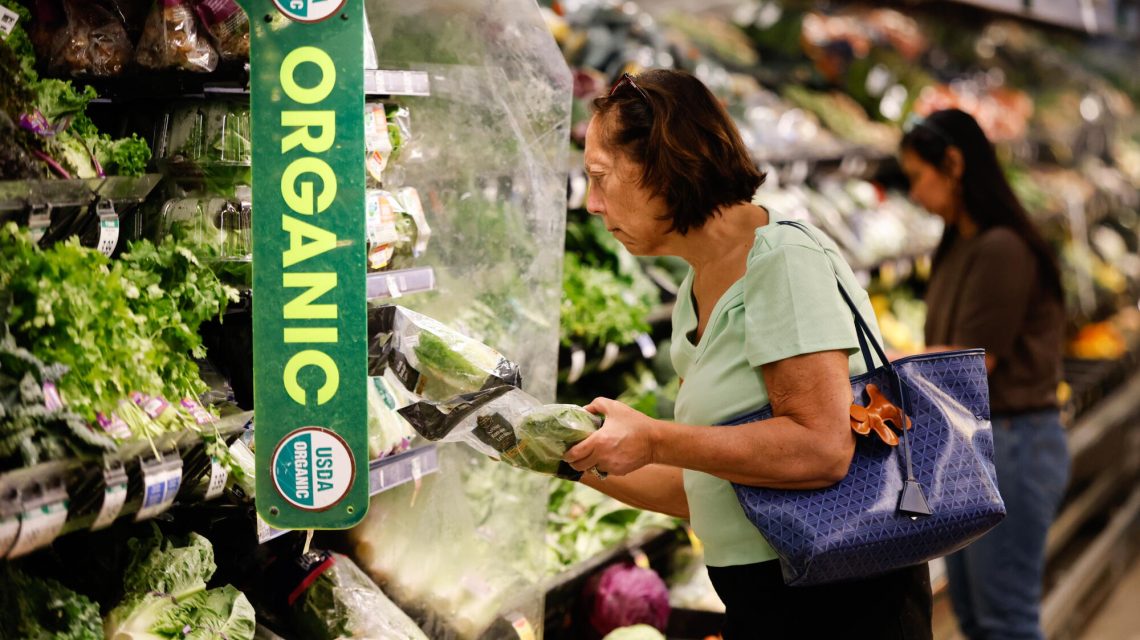
Cheryl Palumbo recently faced sticker shock while shopping for groceries. The 78-year-old had already spent $150 at the supermarket, yet an additional trip to Ralphs required another $70 for essentials like fruits and vegetables.
Palumbo noted the high prices, mentioning a $6.99 pint of Haagen-Dazs ice cream, on sale for $3.99, and a single pear costing $1.91. This frustration reflects a common sentiment among Los Angeles residents.
Prices in the Los Angeles-Long Beach area are increasing, affecting groceries, gas, and auto insurance. The region is among the most expensive in the nation, ranking ninth according to the C2ER Cost of Living Index, which evaluates living expenses in 248 urban areas. The index considers various factors, including groceries, transportation, and utility costs.
Los Angeles competes with cities like Manhattan and Honolulu in living expenses. Issues like lower average wages compared to other urban areas and high housing costs compound the difficulties residents face, highlighting the strain despite growth in sectors like high tech.
Grocery Expenses
Despite California’s agriculture industry, Los Angeles ranks 13th in grocery prices. Nate Rose from the California Grocers Association remarked that costs for factors like land, fertilizer, and transportation contribute to these prices. An increase in diesel prices due to geopolitical tensions has also raised shipping costs.
Housing Costs
Housing remains a significant contributor to living expenses, with the city ranking ninth for housing costs nationwide. Compared to New York and other cities, Los Angeles has struggled with building new homes, according to Shane Phillips from UCLA’s Lewis Center for Regional Policy Studies. Proposed solutions like multi-unit residences face political challenges.
The average home price of $1.34 million and the $6,318 monthly mortgage weigh heavily on residents, affecting affordability. Rental costs also reflect these trends with high prices for apartments, according to Phillips.
Fuel Prices
Fuel costs in Los Angeles are particularly concerning, tied for second in the nation with prices nearing $5.98 per gallon. Environmental fees, gas taxes, and refinery closures are influential factors, as reported by energy expert Severin Borenstein from UC Berkeley.
Price fluctuations continue, impacted by international conflicts, with current rates standing at $5.92 per gallon according to AAA. These increased charges equally affect diesel prices, integral to industries like trucking and farming.
Utility Costs
Utility costs add another layer of financial pressure. Los Angeles ranks 35th nationally for utility charges. Although Southern California Gas rates are low, electricity costs are high, influenced further by risks of wildfires and subsequent utility adjustments.
Additional expenditures, such as personal services, follow this pattern, with beauty salon costs remaining high at $106.25. Despite these challenges, apparel costs offer some relief, being lower than in many regions.
Economic and Political Implications
Inflation has become a nationwide conversation, crossing political affiliations. Consumer costs rising over 25% since the pandemic in 2020 have prompted discussions among political parties.
Local residents, like Mike Giovannelli, are finding creative solutions to manage these challenges. He limits his driving and refueling to manage costs for essentials like school commutes. This approach reflects a broader tendency among Angelenos to adapt amid economic challenges.
 U.S. Schools and the Evolving Curriculum of 9/11
  Ohio Teacher’s Tragic Death in a Crash Involving Deported Driver
  Reflections and Resilience: A Year After Charlie Kirk’s Assassination at Utah Valley University
  Long-Delayed Pentagon Memorial Project Lacks Museum or Visitor Center
  25th Anniversary of September 11: Commemorative Events and Protocols
  Passenger Ferry Fire in Philippines Leaves Dozens Missing